

Austin Bathroom Remodel: What to Do After an Insurance Adjuster Inspects Damage

After an adjuster inspects damage at your Austin home, the useful next step is to organize the facts, request the written findings, and compare the proposed work with what you can see. If the inspection involved a bathroom, an Austin bathroom remodel could mean repairing damage or planning elective changes; keep those scopes distinct while you decide what comes next. For the broader reconstruction process, start with our guide to insurance reconstruction in Austin.
What should you do right after the adjuster leaves?
At Rhino Renovations, we suggest starting with a simple record of what happened and what still needs an answer. Do not treat a conversation at the inspection as the final written decision.
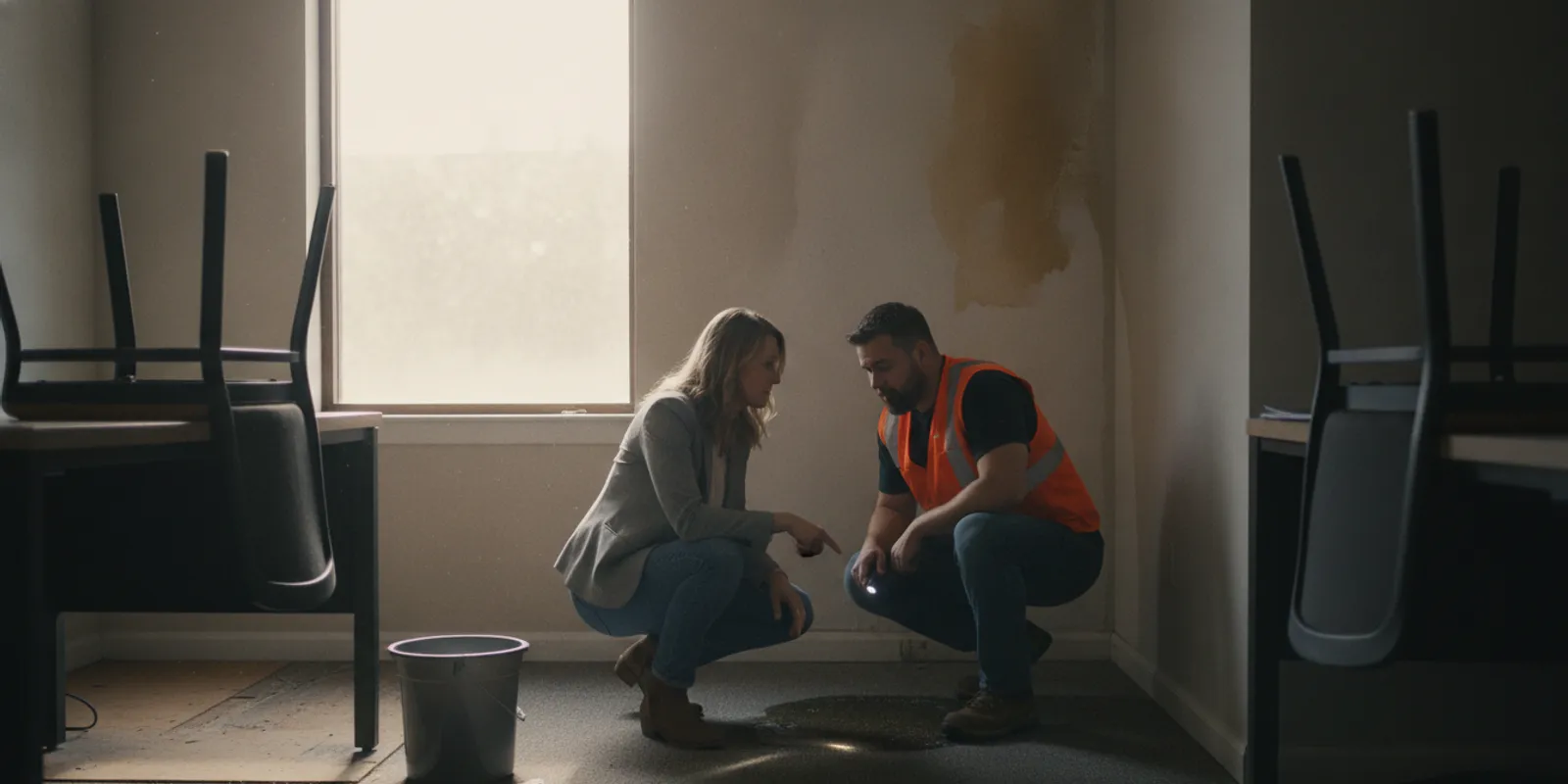
While the visit is fresh, note its date and approximate time, who attended, which rooms or exterior areas were inspected, and any follow-up the adjuster mentioned. Record the claim number and the name or contact details provided. If the adjuster said a report or estimate would follow, note the expected delivery method and any stated timing. Keep these notes factual; avoid turning a guess about coverage into a conclusion.
Save the messages and documents you already have in one claim folder, either on paper or digitally. Useful items may include the policy documents, claim correspondence, photographs, videos, receipts for temporary protective measures, and notes from the visit. Give files clear names, such as “north bedroom ceiling, inspection date,” rather than relying on a camera’s default file name. A dated folder structure makes it easier to find the right record when an insurer or contractor asks about a particular area.
Take photographs of visible damage from several angles when it is safe to do so. Include a wider view that shows where the damage is in the room, then closer views of the affected surface and nearby materials. Do not climb into unsafe areas, touch suspicious materials, or remove items just to get a better picture. If conditions are changing, record what you observe and ask the insurer how it wants new information submitted.
Ask the carrier how to obtain the written inspection findings and what the next communication should be. The adjuster’s visit helps gather information; the written documents let you review the scope carefully. If you want context on the people and work involved, see what an insurance reconstruction contractor does.
How do you review the written estimate?
Read the estimate by area and task, not only by the total at the end. Rhino Renovations recommends checking whether the document describes the rooms, materials, quantities, and work steps that appear relevant to the damage.
Start with the rooms or building areas listed. Compare the estimate against what was inspected and what you can observe. Then review the work descriptions. A repair may involve more than installing a replacement surface: the written scope could need to account for removal, disposal, preparation, and installation, depending on the condition and the proposed repair. Do not assume an item is included merely because the document names the room.
Make a two-column list: one side for the estimate description and the other for your question or observation. For example, if the estimate lists a small section of flooring but the visible damage appears to continue into an adjoining area, write down both locations and ask how the insurer determined the listed boundary. If the document identifies a ceiling repair but does not describe related wall work you expected to see considered, ask whether that area was inspected or needs separate documentation. Keep the wording neutral and specific.
Look for terms that need clarification, including items shown as pending, excluded, not included, or subject to later review. Ask what each term means for your claim and what information would be needed to reconsider an item. A contractor can explain the construction tasks described in a proposed repair scope, but the insurer determines policy coverage. A contractor’s estimate is not a coverage decision, and an insurer’s estimate is not a construction contract.
For each unclear line, capture the page or section, the room, and the precise question. This is more useful than sending a general message that says the estimate is wrong. The Austin insurance reconstruction guide offers more background on comparing the reconstruction process with the claim process.
What if the estimate does not match the damage you can see?
Describe the difference, support it with clear records, and ask the insurer how it wants the question reviewed. That gives everyone a specific issue to address instead of relying on assumptions.
Suppose an estimate describes a patch in one room, while your photos show staining extending across a ceiling and into a nearby hallway. List each area separately. Note where the photos were taken and when. Ask whether the carrier needs additional photographs, a contractor’s written scope, another inspection, or a different document. Send the request through the channel the insurer specifies and keep a copy of what you submitted.
Do not label a cause or concealed condition as established if you do not know it. A stain, a lifted floor edge, or a soft-looking surface can raise a question, but its appearance alone may not tell you what is behind it. If a qualified contractor identifies a concern during authorized work, request written notes and photographs that describe the location and observed condition. Ask the insurer how to submit the new information and whether it needs to inspect before the work moves forward.
Keep the original photographs, not just edited or annotated versions. If you mark up a copy to point out a location, retain the original beside it. When possible, use a consistent room name in the photos, estimate, and email. “Guest bathroom, west wall” is more helpful than using a different label in each document.
Water, storm, and fire damage can involve different repair questions. Our guides to water damage repair for Austin homeowners, storm damage restoration, and the fire damage restoration process discuss those topics separately. Use them for general planning, not as a substitute for the insurer’s written direction about your claim.
How should you communicate with the insurance company?
Keep each message prompt, organized, and tied to a specific question. Rhino Renovations recommends writing down the claim number, the room or estimate line, and the answer you need before contacting the carrier.
When you email or use a claim portal, put the claim number in the subject or reference field if the carrier instructs you to do so. Identify the document you are asking about and attach only records relevant to the question. For example: “The estimate lists the kitchen ceiling but not the adjoining pantry ceiling. Were both areas inspected, and what should I provide if I would like the pantry area reviewed?” A focused question is easier to follow than a long message mixing several unrelated concerns.
Maintain a simple communication log. Include the date, the person or department contacted, whether it was a call, email, or portal message, the question you asked, and what follow-up was promised. If a phone call resolves something important, send a brief note afterward summarizing your understanding and ask the representative to correct it if you misunderstood. Save the reply with the estimate and photographs.
Useful questions include: When can I expect the written findings? How do I submit photographs or a contractor’s scope? Does the carrier need to inspect a newly identified area? Which parts of the estimate are still under review? Who should receive updates if conditions change once repair work begins? If you do not understand a term, ask the representative to explain it in plain language rather than trying to interpret it from context.
The Texas Department of Insurance is a state resource for insurance information. Review your policy and contact your insurer or a qualified insurance professional for questions about your specific coverage or claim. For a construction-focused explanation of roles, read how restoration contracting differs from regular contracting.
Can you speak with a contractor before the claim is settled?
You can discuss construction needs before every claim question is resolved, but make sure you understand the written scope, agreement, and payment responsibilities before authorizing work. A contractor can describe repair work; the insurer makes coverage decisions.
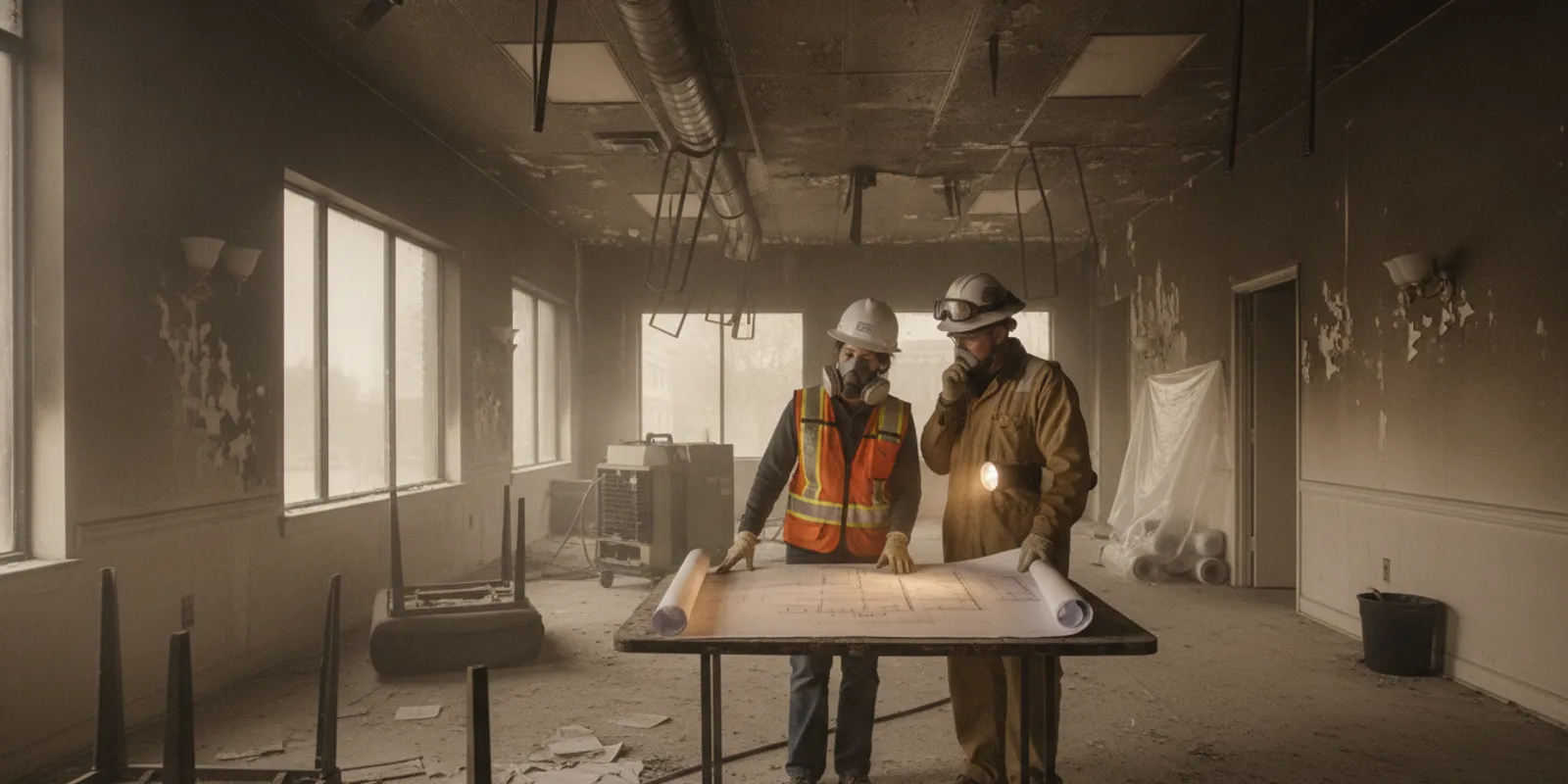
When speaking with a contractor, ask what areas will be inspected and what the inspection can and cannot determine. Ask whether the contractor will provide written observations, a proposed scope, and photographs, and how new conditions will be documented if they appear during work. Find out who will contact the insurer and whether you need to submit the documents yourself. Do not assume a contractor can make decisions for you or speak on your behalf without your authorization and the insurer’s acceptance.
Before signing anything, read the full document and ask what the agreement authorizes. Clarify whether it is an inspection authorization, a repair contract, a payment direction, or another type of document. Ask how changes to the scope will be handled, what happens if the insurer’s review takes longer than expected, and what you may owe if an item is not covered. Take time to get answers in writing when you are unsure. Do not sign a document simply because you feel rushed.
Use this comparison to organize a contractor conversation. It is a question list, not an endorsement or a substitute for reviewing an agreement.
Topic | Questions to ask | What to record |
Inspection | Which rooms and materials will you review? Are there limits to what can be seen without opening a surface? | Areas inspected, access limits, and observations in writing. |
Proposed scope | Which tasks, materials, and preparation steps are included? What is excluded or still unknown? | A room-by-room description and open questions. |
Claim communication | Who sends documents to the insurer, and what must I send myself? | Recipient, submission method, and copies of documents. |
New findings | How will unexpected conditions be photographed and reported before additional work proceeds? | Change process and the person who will contact you. |
Agreement and payment | What am I authorizing, what could I owe, and when are payments due? | Signed terms, payment schedule, and unresolved items. |
Schedule and access | What preparation, room access, or household adjustments may be needed? | Expected work sequence and practical preparations. |
Rhino Renovations works with property owners on reconstruction planning and offers a free consultation. You can review the company’s construction and reconstruction specialties and company background as you consider what questions to ask. A consultation is an opportunity to discuss the property and construction needs; it does not replace the insurer’s coverage decision.
How is an insurance repair different from an Austin bathroom remodel?
An insurance repair addresses damage and the work being considered for a claim; an elective Austin bathroom remodel is a planned update you choose. Keep the two scopes and their paperwork separate, even when they involve the same room.
For example, an adjuster may inspect water damage in a bathroom. The claim-related discussion concerns the reported damage, the policy, and the repair scope reviewed by the insurer. You may also want to change a vanity, tile pattern, lighting, or layout as part of an elective update. Those desired changes are not automatically part of an insurance repair simply because they are planned for the same project or room.
Write down the work in two lists. The first list covers the observed damage and the repair tasks being discussed with the insurer. The second lists optional changes you would like to make, such as a different finish or a layout change. Ask the contractor to identify which proposed items relate to repairing the damage and which are elective, and ask the insurer how it wants claim-related estimates presented. Do not combine the scopes in a way that makes it hard to tell who is responsible for each item.
That distinction is especially useful when comparing proposals. Ask whether each document includes only the damage-related work, optional upgrades, or both. Clarify how any price or schedule differences will be recorded, without assuming an insurer will pay for an elective change. Rhino Renovations also handles elective remodeling; see its project examples for general context. A consultation can help you discuss construction planning, while coverage questions remain with the insurer.
What should you avoid while you wait for answers?
Do not assume that an inspection means every repair is approved, but do take reasonable steps to protect people and property. Follow the insurer’s instructions and ask what it needs before disposing of relevant materials when it is safe to keep them.
Do not delay an action that is reasonably needed to address an immediate safety concern. If a condition may put someone at risk, keep people away and contact appropriate qualified help. Do not enter unsafe areas or handle materials that could be hazardous. Photograph conditions only when you can do so safely. Keep receipts and notes for temporary protective measures and ask the insurer how to submit them.
At the same time, avoid starting major permanent work based only on an assumption that a claim will pay for it. Review the policy, ask the insurer about the status of the item, and understand the repair agreement and payment terms. If temporary work is necessary before a full decision, document what was done, why it was needed, and what materials were removed or retained. Ask the carrier how it wants evidence preserved.
Permits and other local requirements depend on the work involved. For Austin permit information, consult the City of Austin Development Services Department at its official Development Services page. Ask the contractor which permits may apply to the planned work, then verify requirements with the appropriate authority. Do not assume that a repair or remodel has the same requirements as a different project.
How can you prepare a useful comparison packet?
Build a short packet that lets someone understand the issue without searching through every file. Put the claim reference, a room-by-room summary, the estimate question, and supporting records together.
Start with a one-page cover note. Include the claim number, the date of the adjuster’s visit, your contact information, and a brief list of the areas involved. Keep the introduction neutral: state what the insurer’s estimate says, what you observed, and what question you want answered. For instance, “The estimate lists a ceiling repair in the guest bedroom. The attached photos also show a mark at the adjoining closet ceiling. Please tell me whether that area was included in the inspection or what information you need to review it.” This describes a discrepancy without declaring its cause or deciding coverage yourself.
Next, make a room-by-room index. For each location, list the estimate page or item if available, the material or task described, your observation, and the file names for relevant photos. Keep separate rows for separate locations, even if the damage looks similar. That helps prevent a photo of one room from being mistaken for another. Use simple labels such as “Photo 1: wide view, guest bedroom” and “Photo 2: close view, ceiling mark.” Avoid changing the original images; if you add arrows or notes, save that version separately.
Include only the documents that help answer the question. A focused submission might contain the estimate page, a small set of dated photographs, a contractor’s written observation, and a short explanation of the requested review. Avoid sending a large collection with no index. Keep your complete records at home and retain a copy of every item submitted, along with the date and method of submission.
Before sending, check that the room names match across the note, estimate, and file names. Confirm that the attachments open and that you have not included unrelated personal information. Then ask the carrier to confirm receipt and explain the next review step. If the packet includes a construction scope, label it as a contractor’s proposed work document rather than an insurer’s coverage decision. This small distinction keeps the record clear for everyone reviewing it.
What is a practical checklist for the next few steps?
Move from inspection to repair planning in a clear sequence: save the records, obtain the written findings, list questions, and resolve the next action before authorizing unfamiliar work.
- Record the visit.
Write down the date, attendees, areas reviewed, and promised follow-up.
- Request the documents.
Ask how to get the estimate, inspection findings, or decision letter, and save each version.
- Preserve observations.
Photograph visible damage safely and retain relevant receipts, messages, and original images.
- Compare by room.
Check locations, materials, quantities, tasks, exclusions, and pending items in the written scope.
- Write specific questions.
Identify the document line or location and state what you need clarified.
- Ask the carrier how to submit information.
Confirm the preferred method and whether another inspection is needed.
- Request a construction perspective when useful.
Ask for written observations or a proposed work scope that describes tasks and unknowns.
- Separate repair and elective work.
If you are considering a bathroom update or another optional change, label it separately from claim-related repairs.
- Review agreements before signing.
Confirm what work is authorized, what payment obligations apply, and how changes will be documented.
- Keep the log current.
Add new conversations, submissions, and observations as the claim and repair planning continue.
A consistent file makes it easier to explain what has changed and what remains unresolved. If you are unsure whether a document represents a coverage decision, repair estimate, or construction contract, ask the person who issued it to explain its purpose before acting on it.
To talk through the construction side of your situation, visit our contact page or review what to expect from a water damage company. Rhino Renovations has served the Austin and Round Rock area for more than 20 years, and a free consultation can help you discuss the property and possible next construction steps.
Frequently Asked Questions
These quick answers cover common questions after an adjuster visit. For a decision about your own policy or claim, contact your insurer and review your policy documents.
Does the adjuster’s inspection mean the repairs are approved?
No. An inspection gathers information for the claim. Ask the insurer for its written findings or decision and confirm which work, if any, has been approved before proceeding on that assumption.
Can a contractor talk to my insurance company?
A contractor can document construction conditions and provide a proposed repair scope. Ask your insurer how it accepts information and confirm who may communicate on your behalf. Keep copies of anything submitted.
What should I do if concealed damage appears during work?
Ask the contractor to pause the affected work if appropriate, document the condition with notes and photographs, and contact the insurer using its stated process. Clarify whether another inspection or review is needed before additional work continues.
Should I keep damaged materials?
Photograph relevant materials before disposal when it is safe and practical, and ask the insurer whether it wants them retained or inspected. Do not keep anything that presents a health or safety risk; follow appropriate safety advice.
Can I add elective bathroom updates while repairing damage?
You can discuss optional updates with a contractor, but identify them separately from claim-related repairs. Ask for clear written scopes and confirm with your insurer how it wants damage-related work documented. Do not assume an elective change is covered.
Clear records, careful questions, and a written scope can help you move from the adjuster’s visit to repair planning without guessing what the insurer or contractor will do next.

Comments