

What Is an Insurance Reconstruction Contractor?

Updated: Sep 15
When fire, water, or mold damages your Austin home, the repairs are only one part of the challenge. You may also need to document what happened, understand the repair scope, and coordinate with an insurance adjuster before work begins.
If you are asking what is an insurance reconstruction contractor, the answer is a specialist who combines construction repair expertise with the protocols of property-damage insurance claims. In practice, that means helping identify visible and hidden damage, document the required work, and coordinate a complete reconstruction plan with you and the adjuster. Outcomes still depend on your policy terms and the adjuster's evaluation, but the right contractor can make the process clearer and less overwhelming.
For a deeper overview, see Rhino Renovations' insurance reconstruction contractor Austin TX guide.
If your home was just damaged, start with a free, no-obligation consultation or call (512) 617-9897. Next, it helps to look at the specific responsibilities this type of contractor handles during a claim.
What Does an Insurance Reconstruction Contractor Do?
An insurance reconstruction contractor manages the repair of a damaged home while helping coordinate the construction work and insurance-claim requirements. In Austin, that can mean assessing what happened, identifying damage that is not immediately visible. Documenting the needed repairs, and keeping the homeowner, contractor, and insurance adjuster aligned as the project moves forward.
A specialist in construction and claims
Reconstruction is a specialized part of construction focused on repairing properties after events such as fire, mold, and water damage. An insurance reconstruction contractor brings that repair expertise together with knowledge of property-damage claims, documentation, and billing protocols. This combination matters because restoring a home is not only a building project. The work also needs to be described clearly enough for the claim scope to reflect the repairs the property actually requires.
A standard contractor may be fully capable of completing construction work, but insurance reconstruction involves additional coordination. The contractor must understand how repair findings connect to the claim, what documentation supports the scope, and how to communicate technical information in a practical way. Insurance claim outcomes still depend on the policy terms and the adjuster's evaluation, so no contractor can promise a particular payout.
Finding damage beyond what you can see
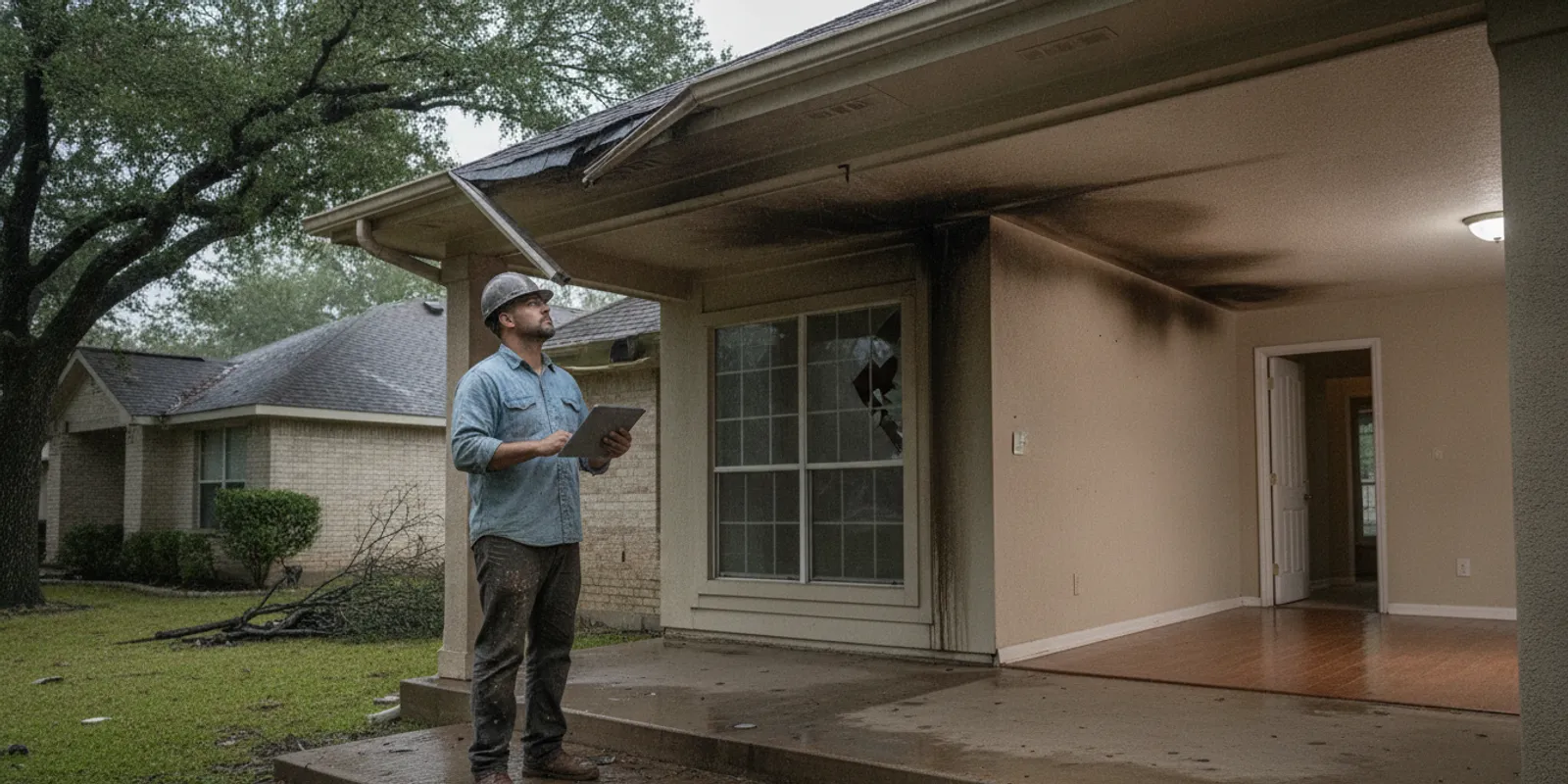
Water, fire, and other property damage may affect areas behind walls, beneath flooring, or within structural materials. When damage is extensive, a reconstruction specialist looks beyond the most obvious surface issues and helps identify hidden damage before construction begins. Including those findings in the repair scope can help the homeowner and adjuster work from a more complete understanding of the property condition.
Professional documentation supports that process. Photos, written observations, and a clear repair scope give the people involved a shared record of what needs attention. The contractor can then explain the recommended work without burying the homeowner in unnecessary jargon.
Coordinating the people and the process
Effective reconstruction requires close coordination between the homeowner, contractor, and insurance adjuster. The contractor explains construction needs, answers questions about the proposed repairs, and keeps the work organized as the project progresses. In some cases, the contractor may also bill the insurance company directly using industry-standard estimating platforms, which can streamline the claims process.
For Austin homeowners already dealing with disruption, that support can reduce the stress of managing every technical detail alone. Rhino Renovations focuses on clear, step-by-step guidance and a fair, complete restoration scope. For a deeper explanation of the role, read this insurance reconstruction contractor Austin TX guide.
How Reconstruction Differs from Restoration or Remodeling
Reconstruction rebuilds a property after covered damage, while restoration focuses first on stabilizing and mitigating that damage. And remodeling changes a home by choice rather than because an insurance loss requires it. The difference matters because reconstruction combines construction work with claim documentation, estimating, and insurance billing.
Type | Goal | When it happens | Typical work | Who pays |
Reconstruction | Return the property to a safe, functional condition after damage. | After a fire, water loss, mold event, or similar property damage. | Structural repairs, rebuilding damaged areas, documenting hidden damage, and completing the approved repair scope. | Often the insurer, subject to the policy, covered scope, deductible, and adjuster evaluation. |
Restoration (mitigation) | Stabilize the property and prevent additional damage. | Immediately after the loss, before permanent rebuilding. | Emergency services and mitigation, such as addressing active water or securing affected areas. | Often the insurer for covered emergency work, subject to policy terms and the claim evaluation. |
Remodeling | Improve, update, or reconfigure a home based on the owner's goals. | When the owner chooses to make an elective improvement, whether or not damage occurred. | Planned upgrades, layout changes, finish replacements, and other improvement work. | Usually the homeowner, unless a specific portion is included in a covered claim. |
The insurance claim follows a three-phase timeline
A traditional property damage claim generally moves through three connected phases: emergency mitigation, insurance estimating and negotiation, and structural repair. Mitigation comes first to limit further damage. Next, the parties develop and compare repair estimates, clarify the scope of loss, and work toward a complete, supportable restoration plan. Structural repairs begin after the scope and necessary work are established.
Estimates are commonly prepared with Xactimate, an industry-standard estimating platform. Detailed photos and other professional documentation help support the repair estimate and identify work that may not be obvious during an initial walkthrough. Bringing a reconstruction contractor into the process before the adjuster finalizes the scope, when possible, can help surface necessary repairs early.
Why a general contractor may not be enough
A capable general contractor may know how to build, but insurance reconstruction also requires familiarity with claim documentation. Estimating conventions, billing standards, and coordination with the adjuster and homeowner. Those requirements can affect how accurately the repair scope is presented and billed. For a closer look at the distinction, read restoration contracting vs regular contracting.
Reconstruction Contractor vs Public Adjuster: Who Do You Hire?
A reconstruction contractor and a public adjuster support different parts of an insurance claim. The contractor evaluates the property, develops a complete repair scope, and manages the construction. A public adjuster focuses on representing the policyholder in the claim process and reviewing the financial side of the loss. Depending on the damage and your comfort level, you may need one, the other, or both.
Do I need a public adjuster too?
Not necessarily. Many homeowners begin with a qualified reconstruction contractor who can document the damage, prepare an industry-standard estimate, and coordinate with the insurance adjuster. The contractor's role is to make sure the proposed work reflects the property's actual restoration needs, including issues that may not be visible during an initial walkthrough.
A public adjuster may be helpful when the claim is unusually complex, the documentation is extensive. Or you want a professional advocate focused specifically on the policy and settlement process. The two professionals can work together. A contractor does not replace a public adjuster, and a public adjuster does not perform the construction work.
When should the contractor get involved?
Bring the reconstruction contractor into the process before the insurance adjuster finalizes the scope of loss, whenever possible. Early involvement gives the contractor an opportunity to inspect the property, document conditions, identify potential hidden damage, and discuss the necessary repairs with the adjuster. Effective reconstruction depends on coordination among the homeowner, contractor, and adjuster.
This timing matters because property damage claims commonly move through emergency mitigation, insurance estimating and review, and final structural repair. A contractor can help connect the documented condition of the home to the work required in the final phase. For background on how these roles fit into the broader process, see restoration contracting vs regular contracting.
Who pays the reconstruction contractor?
In many cases, the reconstruction contractor bills the insurance company directly using an industry-standard estimating platform. This can streamline communication, but payment still depends on the policy, covered damage, and the agreed scope. The homeowner remains an important participant and should review the estimate, understand what work is included, and ask questions before construction begins.
Good insurance advocacy is not about fighting the insurer. It means presenting professional documentation and advocating for a fair, complete restoration scope that addresses the home's actual condition. A contractor can work constructively with the adjuster while keeping the homeowner informed at each stage.
What Services Do Insurance Reconstruction Contractors Cover?
Insurance reconstruction contractors typically cover the full path from documented damage to finished repairs. That can include rebuilding damaged areas, preparing a detailed scope of work. Identifying problems that are not visible at first inspection, and coordinating with the homeowner and insurance adjuster. The goal is a complete, supportable repair plan, not simply a patch for the most obvious damage.
Construction and finish repairs
Depending on the loss and the policy scope, services may include:
- Structural repairs:
Addressing damaged components that affect the safety or integrity of the home.
- Framing and drywall:
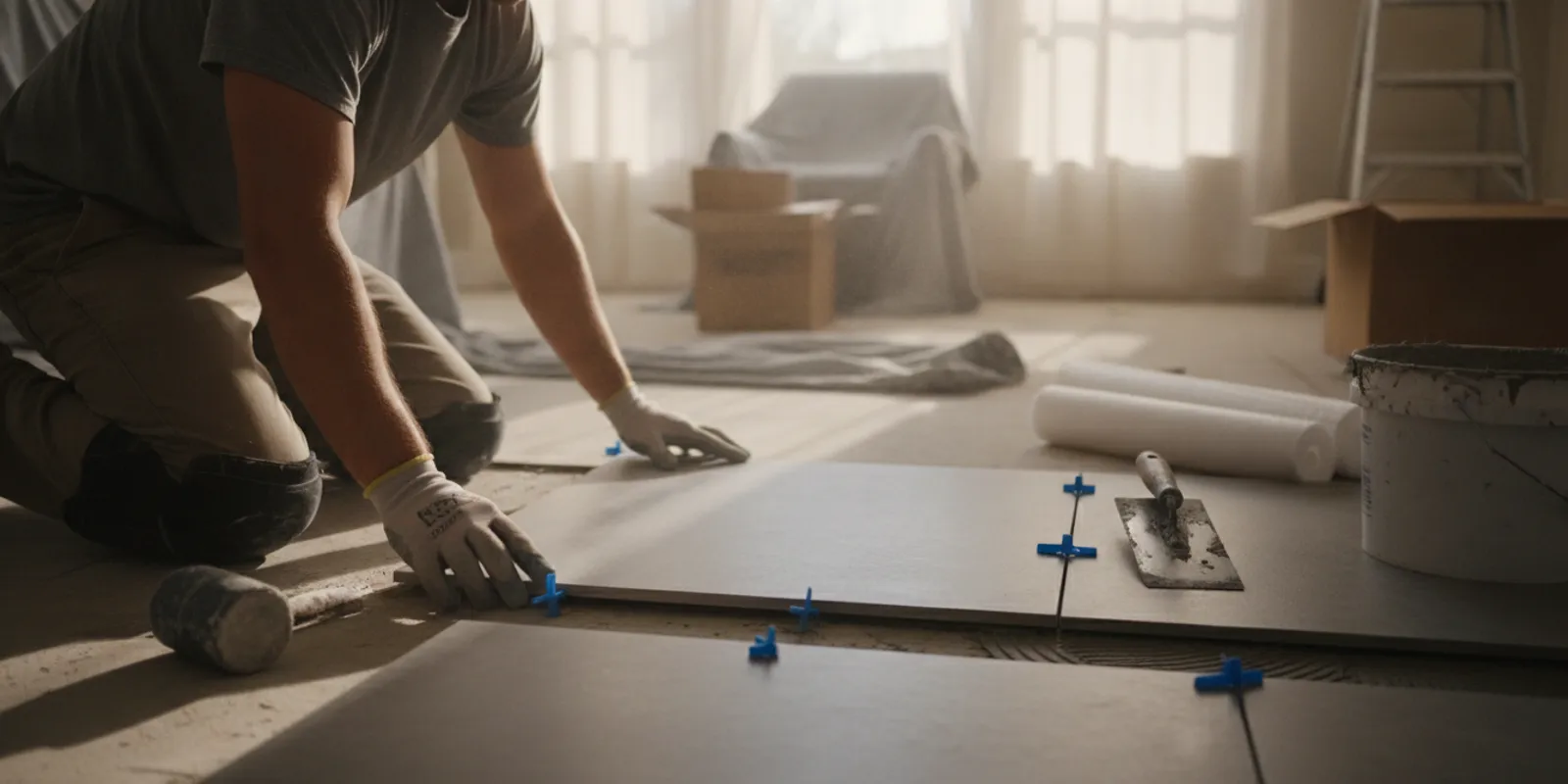
Rebuilding walls, ceilings, and framing after water, fire, or other covered damage.
- Flooring:
Removing and replacing flooring when damage extends beneath the visible surface or affects the finished material.
- Cabinetry:
Repairing or replacing affected cabinets when they cannot be restored to their prior condition.
- Painting:
Completing the finish work needed to return repaired rooms to a consistent, livable condition.
The exact work depends on the damage and the terms of the policy. A reconstruction contractor can explain which repairs are necessary and how they fit into the overall scope, without promising a particular insurance outcome.
Claims-side support and hidden damage
A qualified contractor also contributes important work before construction starts. That may include photographing and documenting damage, supporting the repair estimate, identifying hidden structural or mold-related problems, and discussing an incomplete scope with the adjuster. Professional documentation gives the parties a clearer record of what was found and why each repair is included.
Hidden damage matters because a wall, floor, or cabinet can look repairable while moisture or structural problems remain behind the finished surface. If those conditions are not identified and included in the claim scope before work begins, addressing them later can create delays, change orders, and additional stress. Bringing the contractor into the process early helps the homeowner and adjuster work from a more complete picture of the property.
For a closer look at the repair process, read how build-back services restore your home. In Austin and Round Rock, clear documentation and steady coordination help turn a complicated loss into a manageable plan.
How to Find a Qualified Insurance Reconstruction Contractor in Austin TX
Choosing the right contractor after water, fire, or other property damage is about more than comparing estimates. You need a team that understands construction, insurance documentation, and the practical demands of restoring an Austin-area home. Use this checklist before signing a contract.
Confirm local Austin and Round Rock experience
Ask whether the contractor regularly works in Austin and Round Rock, rather than relying on a broad service-area claim. Local experience can make communication, site visits, and coordination more practical. Rhino Renovations operates in the Austin and Round Rock area, serving homeowners who need a reliable restoration partner after significant property damage.
Verify licensing and insurance
Before work begins, ask for current proof of the contractor's licensing, general liability coverage, and workers' compensation coverage where applicable. Confirm that the business name on the documents matches the company you are hiring. This basic check helps clarify who is responsible for the work and reduces avoidable risk during a complicated repair.
Ask about insurance-claims documentation
A qualified reconstruction contractor should be comfortable documenting damage, repair recommendations, and completed work for the claim file. Ask how the team communicates with your adjuster and whether it can prepare a clear scope of loss. If possible, involve the contractor before the adjuster finalizes the scope, so necessary repairs have a better opportunity to be identified and documented.
Request a transparent, step-by-step process
The contractor should explain what happens next without hiding behind jargon. Ask who will inspect the property, how hidden damage will be evaluated, when the estimate will be prepared, and how updates will be shared. Effective reconstruction requires coordination between the homeowner, contractor, and adjuster. Clear responsibilities make that coordination easier.
Ask when the scope of loss will be reviewed
Find out how the contractor handles changes discovered after demolition or closer inspection. Also ask how photos, measurements, and supplemental documentation will be organized. A thorough process supports a fair and complete restoration scope, but no contractor can promise a specific payout. Insurance outcomes depend on your policy terms and the adjuster's evaluation of the damage.
Start with a no-obligation consultation
A conversation can help you understand whether the contractor is a good fit before you commit to the project. For a free consultation in the Austin or Round Rock area, contact Rhino Renovations or call (512) 617-9897.
Frequently Asked Questions
What is an insurance reconstruction contractor?
An insurance reconstruction contractor repairs property after covered damage such as fire, mold, or water loss. Unlike a contractor focused only on construction, this specialist also understands insurance documentation, claim protocols, estimating, and coordination with the adjuster. The goal is a complete, clearly supported repair scope, not simply a quick fix. Research from Cal Poly describes reconstruction as the sector focused on repairing properties after damage.
Do I need one after property damage in Austin?
You may benefit from a specialist when damage is extensive, multiple trades are involved, or hidden structural or moisture damage could be missed. A qualified contractor can inspect the property, document conditions, coordinate the repair process, and help ensure the scope reflects necessary work before construction starts. Rhino Renovations serves homeowners in Austin and Round Rock.
Should I hire a contractor before the insurance adjuster finalizes the scope?
If possible, involve your contractor before the scope of loss is finalized. The contractor can document visible and hidden damage and communicate the repair requirements to the adjuster. This supports a fair, complete scope while keeping the homeowner, contractor, and adjuster aligned. Coverage and payment still depend on your policy terms and the adjuster's evaluation.
How does an insurance reconstruction contractor get paid?
In many cases, the contractor can bill the insurance company directly using industry-standard estimating platforms, which can simplify the claims process. The exact payment arrangement, deductible, and covered amount depend on your policy and claim. Ask for a written explanation of billing, change orders, and any costs that may remain your responsibility.
What should I prepare for the first consultation?
Gather your insurance policy or declarations page, claim number, adjuster's report if available, photographs or videos of the damage, and any mitigation invoices. Do not make permanent repairs that could hide evidence, but take reasonable steps to prevent further damage. Professional documentation throughout the repair process helps support a clear claim record.
Ready to Plan Your Property Damage Reconstruction?
When your home has been damaged, a clear reconstruction plan can make the next steps easier to manage. Rhino Renovations can help you review the work ahead and determine whether a consultation fits your situation. Schedule a free, no-obligation consultation for your property damage reconstruction by calling (512) 617-9897.

Comments