

Water Damage Repair: An Austin Homeowner Guide

Water damage can look limited to a stained ceiling or a damp patch of flooring. Yet moisture may travel behind walls and beneath finished surfaces. For Austin-area homeowners, the first decision is not simply whether a room looks dry. It is whether the source has been stopped, affected materials can be safely dried and repaired, and hidden or structural damage needs a broader reconstruction plan.
Water damage repair makes sense when the moisture source is controlled and the affected materials can be thoroughly dried, assessed, and restored. If sewage or other contaminated water is involved, the EPA recommends calling an experienced professional, and extensive damage may require specialized evaluation. A qualified contractor can help separate immediate hazard control from permanent repairs without assuming that insurance will cover every item.
Before comparing repair options, address conditions that could put people or the property at risk. Electrical hazards, contaminated water, and signs of structural damage call for caution and professional guidance, not a cosmetic fix.
When water damage repair is urgent
Some water damage needs attention before you think about finishes, estimates, or whether the property needs a larger rebuild. Start by protecting people and avoiding additional hazards. If the source is still active, shut off the appropriate water supply only if you can do so safely. Then assess whether the area is safe to enter. For a fuller emergency-response checklist, see this emergency water damage repair guide.
Electrical hazards come first
Water near outlets, wiring, appliances, or electrical panels can create a serious shock or fire risk. The CDC advises turning off power at the main breaker or fuse on the service panel when electrical circuits or equipment have gotten wet or are in or near water. Do not turn power on or off, use an electric tool, or operate an appliance while standing in water. If reaching the panel would require crossing wet areas, leave the area and contact a qualified professional instead.
Look for structural warning signs
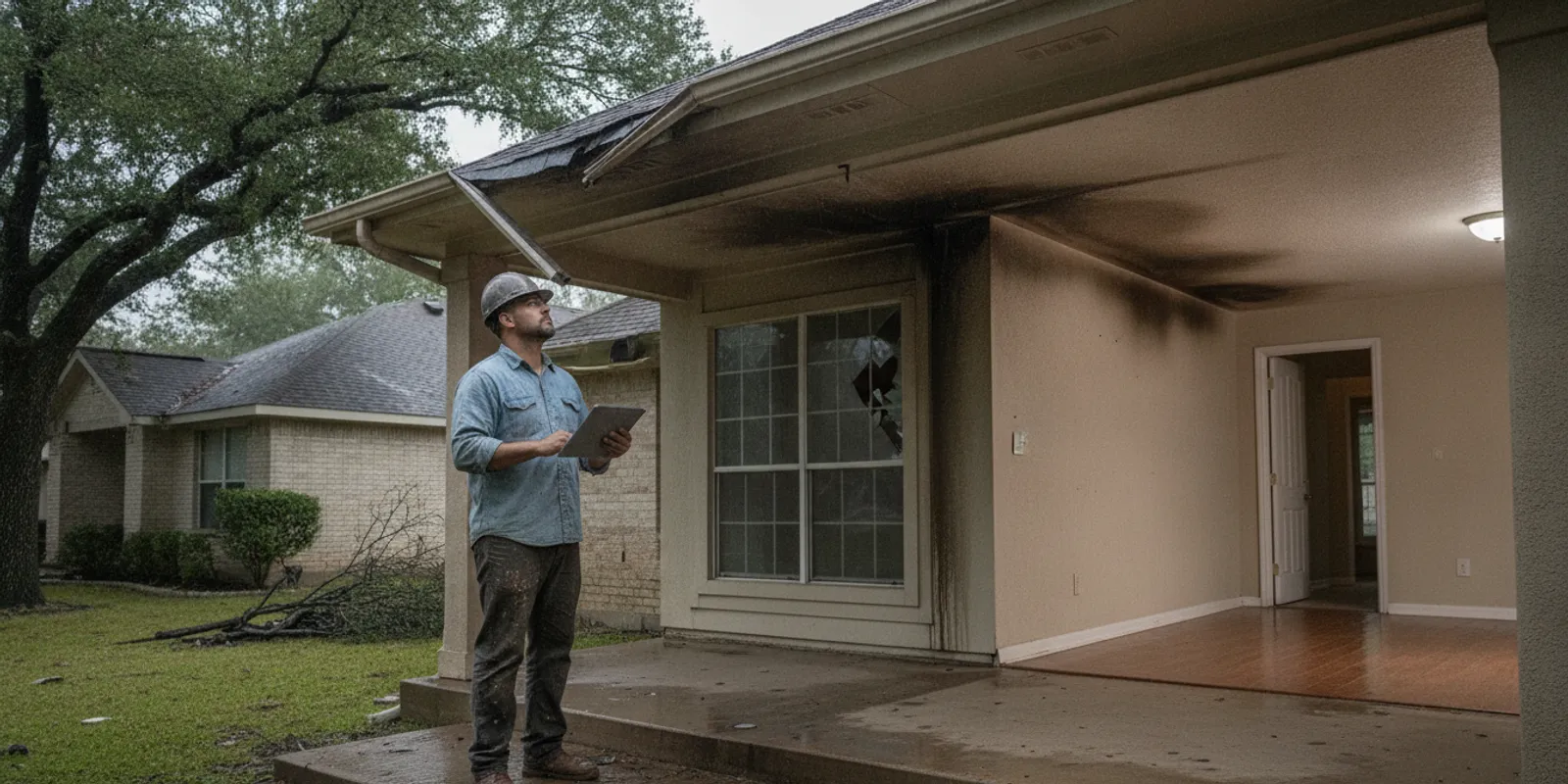
Before entering a damaged home, FEMA recommends looking outside for damaged power lines, gas lines, and other structural damage. Inside, avoid areas with sagging ceilings, floors, or other signs that the building may be unstable. These conditions are not a do-it-yourself inspection problem. Keep people and pets away, and seek an appropriate professional assessment before attempting cleanup or repair. Do not assume a surface that looks dry is safe if water may have entered concealed building materials.
Treat contaminated water differently
Sewage, floodwater, and water from an unknown source should not be handled like a small clean-water leak. The CDC notes that floodwater can contain bacteria from overflowing sewage as well as agricultural and industrial waste. The EPA recommends calling an experienced professional when sewage or other contaminated water caused the damage. Avoid moving through the area unnecessarily, and do not start fans or spread materials around until the water has been evaluated. EPA drying guidance for clean-water damage should not be treated as a substitute for contaminated-water expertise.
Once immediate hazards are controlled, document the condition and arrange an evaluation promptly. The goal is not simply to remove visible water. A careful assessment helps determine what can be dried and repaired, what may need removal, and whether hidden damage could affect the eventual reconstruction scope.
Can water damage be repaired, or does it require reconstruction?
Often, the answer is a combination of both. A contained leak may call for drying, surface repair, and replacement of one damaged material. A larger loss may require selective demolition, drywall and flooring replacement, and reconstruction of several connected areas. The right scope depends on where the water traveled, how long materials stayed wet. Whether the water was clean or contaminated, and whether hidden or structural damage is present.
Start with the source. The moisture problem must be fully fixed before cleanup or remediation is considered complete, according to the EPA's guidance on moisture and mold. An inspection should also look beyond visible staining. EPA notes that mold may be hidden behind drywall, wallpaper, or paneling, while FEMA advises checking ceilings and floors for sagging or other potentially dangerous structural damage.
Repair may be appropriate when | Reconstruction may be needed when |
The affected area is localized and materials can be thoroughly dried and cleaned. | Water has spread through multiple rooms, assemblies, or levels of the property. |
Damage is limited to finishes or replaceable components, such as a small drywall or flooring area. | Drywall, insulation, flooring, or other materials remain saturated, contaminated, or unsalvageable. |
The ceiling, floor, framing, and subfloor remain sound after evaluation. | Ceilings or floors sag, or the inspection identifies potential structural damage requiring a larger scope. |
The source is controlled and there is no significant hidden moisture. | Moisture is concealed behind finishes, or the project requires coordinated demolition, repair, permits, and rebuild work. |
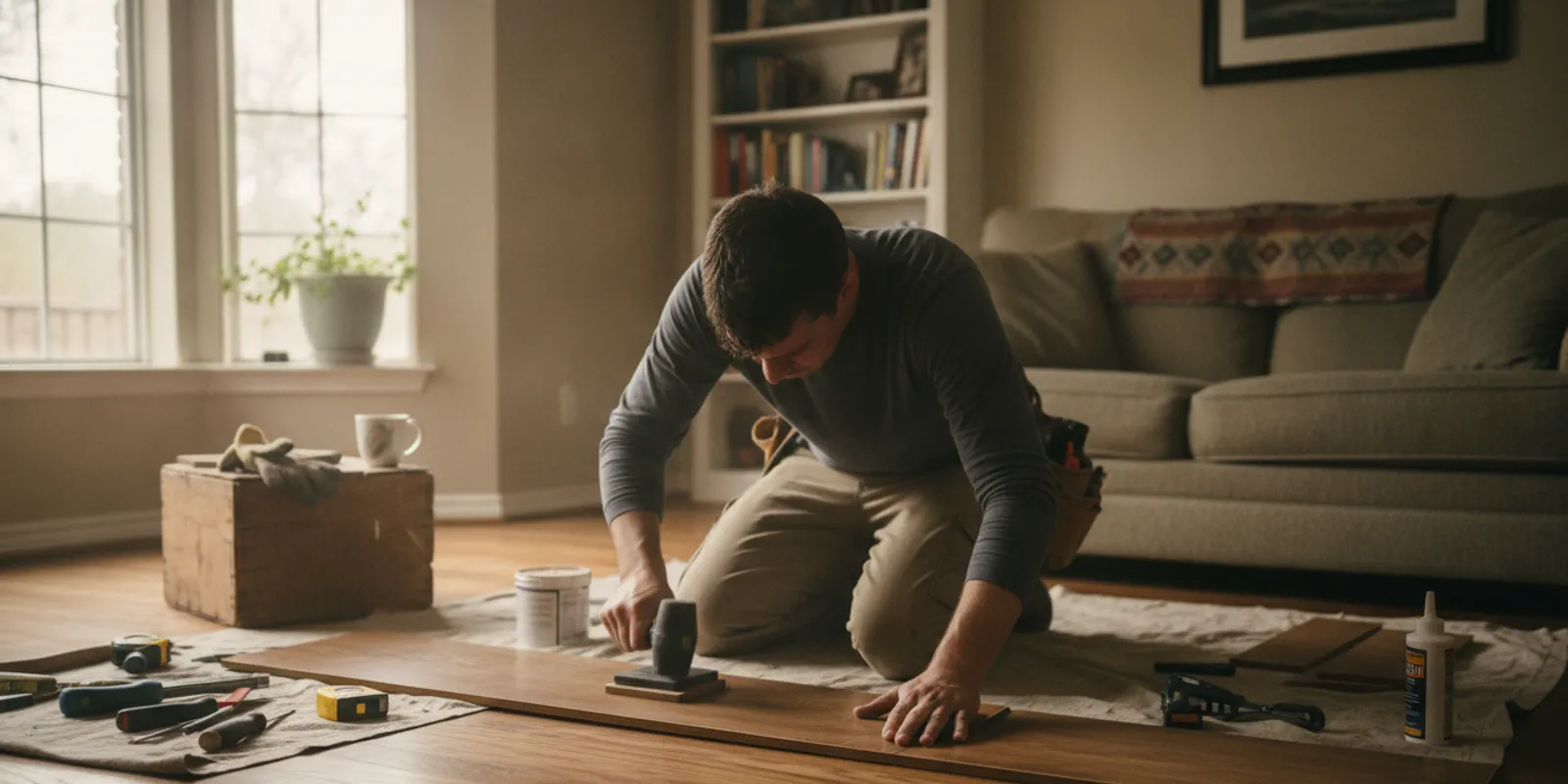
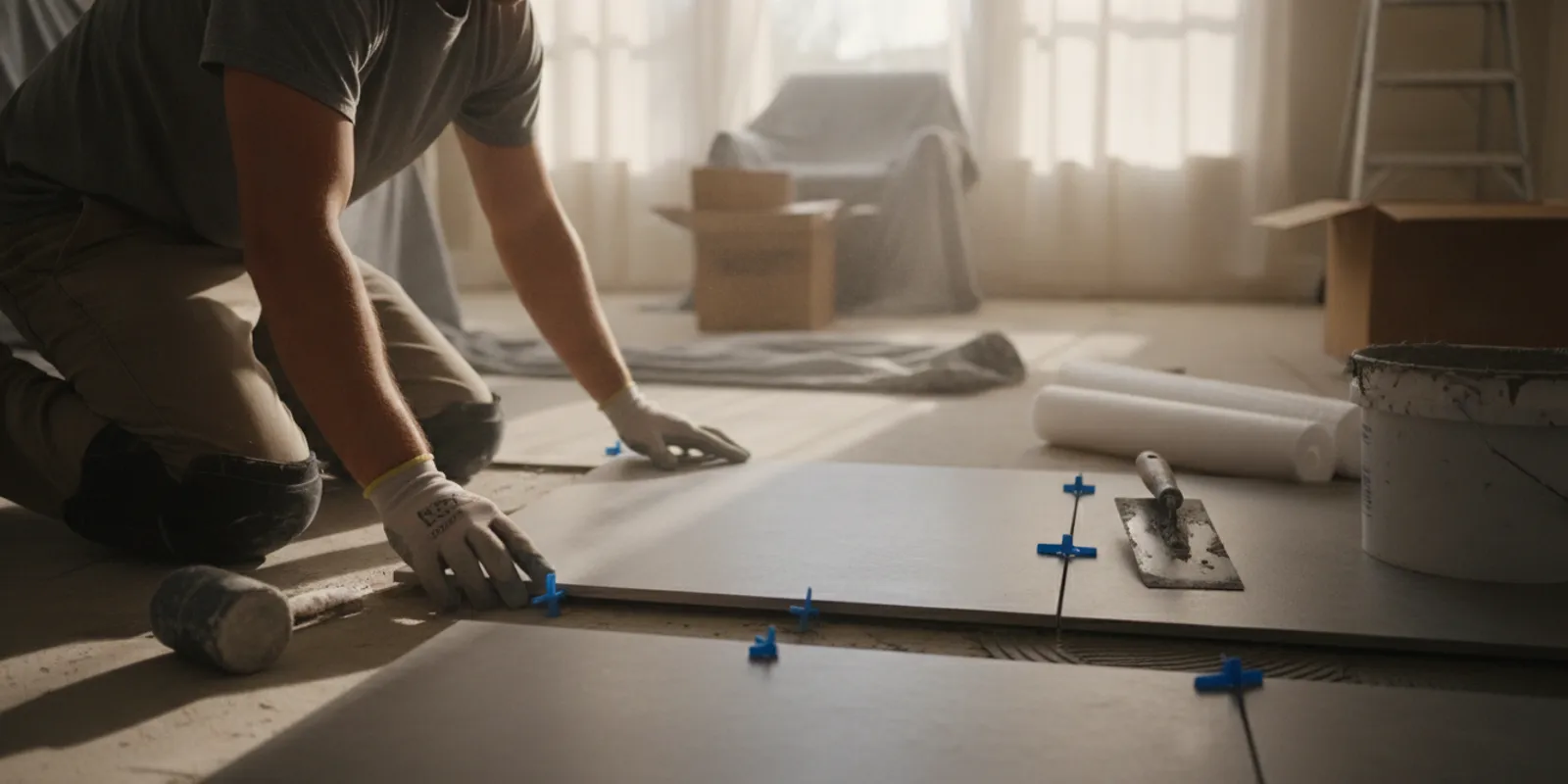
Reconstruction does not necessarily mean rebuilding the entire home. It can mean removing damaged sections, drying the remaining structure, then restoring drywall, flooring, paint, cabinets, or other finishes in the affected area. Rhino Renovations' water-damage scope includes drywall repair and painting, along with flooring replacement or restoration. So the written scope should identify what can be saved and what must be replaced.
Water type matters, too. EPA guidance says contaminated-water damage, including sewage-related damage, should be handled by an experienced professional. Do not assume a cosmetic patch resolves a sanitation or hidden-moisture concern. For related insurance questions, review this guide to water damage insurance coverage. If the work extends beyond isolated repairs, learn more about home build-back services and ask for a documented assessment before deciding on the final scope.
What does the water damage repair process include?
A well-managed project separates immediate hazard control from permanent repairs. The exact scope depends on where the water came from, how far it traveled, which materials absorbed moisture, and whether hidden damage is present. In Austin and Round Rock, homeowners should expect the plan to develop from an on-site evaluation rather than a guess based only on visible staining.
Control the source and address immediate hazards
The first priority is stopping or isolating the source, such as a plumbing leak, roof opening, or appliance failure. If electrical equipment or circuits are wet or near standing water, the CDC advises turning off power at the main breaker or service panel. Never use an electrical tool or appliance while standing in water. Sewage and other contaminated water require additional precautions and experienced professional help. Do not start fans until the water has been assessed and determined to be clean or sanitary. CDC water-damage safety guidance explains these precautions.
Inspect the property and define the scope
An evaluation looks beyond the wettest visible area. The inspection may consider affected drywall, flooring, subflooring, framing, insulation, ceilings, and adjacent rooms. Hidden moisture can change the repair plan, so the team should document what needs to be removed, dried, cleaned, repaired, or rebuilt. A written plan can then outline the proposed work, estimates, anticipated sequencing, permits where required, and coordination with your insurer. This is also the point to discuss safety concerns and questions about the Austin insurance reconstruction contractor role.
Extract water and dry affected materials
For clean-water damage, EPA guidance recommends removing water with extraction equipment, reducing ambient humidity with dehumidifiers, and using fans to accelerate drying. Wet carpet and its backing may need particular attention, and the subfloor should be checked and dried when necessary. EPA recommends drying water-damaged areas and items within 24 to 48 hours as a mold-prevention guideline. That window is not a guarantee that mold has not occurred, and the guidance is specifically for clean-water damage. Even materials dried within 48 hours may have experienced mold growth, so the condition of the property still needs to be evaluated. See the EPA drying and remediation guidance for the limitations.
Decide what can be repaired or must be replaced
Once moisture levels and material conditions are understood, the scope can distinguish salvageable components from materials that cannot be reliably restored. Flooring, drywall, insulation, ceiling materials, and wood may each require different treatment. Removal should be purposeful, not automatic, while materials that are damaged, contaminated, or unable to dry properly may need replacement. The goal is to resolve the moisture problem and create a sound basis for finish repairs.
Complete repairs or reconstruction and keep the owner informed
Permanent work may include drywall repair and painting, flooring restoration or replacement, finish work, or broader reconstruction. A clear project should include regular communication as conditions are uncovered, materials are selected, and the scope changes. Rhino Renovations describes its process as evaluation, a detailed plan, then reconstruction with ongoing owner communication. That structure helps homeowners understand what is happening next without treating insurance coordination as a guarantee of coverage or claim approval.
How should Austin homeowners document damage and insurance details?
Good documentation gives you a clear record to share with your insurer and contractor. It does not guarantee coverage or determine how a claim will be handled, but it can make conversations about the property, damaged contents, and repair scope more organized.
Document the condition before cleanup when it is safe
Take wide photos and short videos of each affected area, including ceilings, walls, floors, cabinets, and visible water sources. Then capture closer images of stains, swelling, discoloration, damaged finishes, and personal property. FEMA recommends photographing or recording the inside and outside of the home and damaged personal property before cleanup, when possible. Label files by room, such as "upstairs hallway" or "kitchen," and include the date in the file name or notes. Avoid entering areas with electrical, structural, or contaminated-water hazards just to get a better image.
Separate damaged and undamaged property
If it can be done safely, keep damaged items separate from items that were not affected. Do not discard property before asking your insurer or adjuster what documentation is needed, unless a safety or sanitation issue requires removal. FEMA notes that an adjuster may need to document damaged and undamaged belongings. Photograph each item in place first, then record its make, model, serial number, approximate age, and condition. Appliance details are especially useful when a refrigerator, washer, water heater, HVAC component, or other fixed system may be involved. Keep a simple room-by-room inventory rather than relying on memory.
Keep receipts and build a communication file
Save receipts for emergency materials, temporary measures, disposal, storage, and authorized repairs. FEMA specifically recommends saving repair receipts. Also keep copies of your policy, claim number, adjuster contact information, inspection notes, contractor proposals, emails, and photos in one digital folder. Record dates and a short summary after each call. If you are unsure what your policy covers, review this guide to water damage insurance coverage and ask your insurer specific questions.
A contractor can help inspect damage, organize a repair scope, and communicate construction details. That role is different from claim representation, so review the reconstruction contractor's role before deciding who should handle each part of the process. For Austin homeowners, thorough records support clearer planning while the final coverage decision remains with the insurance carrier.
How do you choose a water damage repair contractor?
Choosing a water damage repair contractor is about more than finding someone who can remove wet materials. You need a team that can assess the source and extent of the damage. Explain the work in writing, and help you make informed decisions about repair or reconstruction. Start by asking for a written scope that identifies affected areas, planned work, materials that may need removal, and items that are still subject to inspection.
Look for a clear plan, not just an estimate
A useful proposal should explain the expected sequence of work, the estimate, a working timeline, and any permits that may be required. It should also identify who will handle specific portions of the project and how changes will be documented if hidden damage appears after materials are opened. No responsible contractor can promise an exact completion date before the conditions are understood, but the team should be willing to explain what may affect the schedule.
Ask how the contractor will communicate with your insurer and what information you will receive for your records. Insurance coordination can help organize documentation and repair scope, but it does not guarantee coverage or claim approval. For more context, review this guide to water damage insurance coverage and the role of an Austin insurance reconstruction contractor.
Check experience, safety, and full-scope capability
Ask about the crew's qualifications, supervision, safety procedures, and experience with the type of water involved. The EPA recommends using an experienced professional when sewage or other contaminated water caused the damage. Its guidance also cautions that drying recommendations for carpet and other materials may apply to clean-water damage only. A contractor should be able to explain how contamination changes the work plan, rather than treating every water event the same. See the EPA's contaminated-water guidance for the safety context.
It is also worth confirming whether the team can manage the project from mitigation and water damage repair through permanent repairs and reconstruction. That may include drywall repair, painting, flooring work, and coordination with other trades when needed. A company that can carry the scope forward may reduce handoff confusion. But you should still ask which work is performed by its own crews and which work is subcontracted.
Finally, ask how often you will receive updates, who your point of contact will be, and how questions or scope changes are handled. Compare contractors on clarity, safety, communication, and the ability to complete durable work, not only on the lowest initial estimate. For a broader comparison of roles, read about restoration contractor differences and review the Rhino Renovations specialties relevant to your property.
What should happen after water damage repair?
Finishing visible repairs is not the same as confirming that the property is ready for normal use. The next step is to verify that the source of the water has been addressed. Affected areas are appropriately dry, and materials that were hidden from view have been considered. The EPA states that cleanup or remediation is not complete until the water or moisture problem has been completely fixed. Moisture control is also the key to controlling mold.
Confirm the source is resolved
Ask what caused the damage and how that source was corrected. Depending on the event, this may involve a plumbing repair, roof work, drainage correction, or another building repair. If the original source remains active, new moisture can undermine otherwise sound drywall, flooring, paint, or trim work. A final walkthrough should include the repaired area and any nearby locations that could have been affected by the same leak or overflow.
Check hidden areas and materials
Water can travel beyond the first visible stain. Flooring may need a check beneath the finished surface. Wall cavities, backing, insulation, or the reverse side of drywall may also require attention when exposure or readings indicate a concern. The EPA notes that mold may be hidden behind drywall, wallpaper, or paneling. That does not mean hidden mold is present in every project. But it is a reason to ask how concealed areas and materials were evaluated before repairs were closed in.
Monitor humidity and understand the mold caveat
After work is complete, keep an eye on indoor humidity with a reliable humidity meter when practical. The EPA recommends keeping indoor relative humidity below 60 percent, ideally between 30 and 50 percent. Ventilation, air conditioning, and dehumidification may help, depending on the property and weather conditions.
Drying quickly is helpful, but it is not a guarantee that mold did not develop. EPA guidance describes 48 hours as a guideline and notes that mold growth may have occurred even when materials were dried within that period. If you notice a musty odor, renewed staining, soft materials, persistent humidity, or other changes after the project, document them and request a follow-up assessment. For broader context on what to expect, review this water damage restoration timeline and explore Rhino Renovations specialties.
Frequently Asked Questions
Can water damage be repaired?
Often, yes. The right approach depends on how long materials stayed wet, how far moisture traveled, and whether drywall, flooring, insulation, or structural components are affected. A professional assessment can separate items that can be dried and repaired from materials that need replacement. The moisture source must also be fixed before cleanup is considered complete, according to the EPA.
How much does it cost to fix water damage?
There is no reliable one-size-fits-all price. Cost depends on the source of the water, the affected area, material damage, drying needs, and whether repairs extend into reconstruction. Ask for a written scope that clearly separates mitigation, repairs, replacement work, and any permits or insurance coordination. Your contractor can prepare project-specific estimates after evaluating the property.
How likely is mold after water damage?
Mold risk increases when building materials remain wet, but no inspection can promise that mold will or will not develop. The EPA explains that mold needs moisture to grow and recommends drying water-damaged areas and items within 24 to 48 hours as a prevention guideline. That window is not a guarantee, so address the moisture source and ask for professional guidance when damage is extensive or hidden.
Can I fix water damage myself?
Minor, clean-water damage may be manageable when you can safely stop the source, remove standing water, and dry affected materials. Do not handle sewage or other contaminated water without an experienced professional. Also avoid using fans until the water is determined to be clean or sanitary, and never enter areas with electrical or structural hazards. When drywall, flooring, subflooring, or hidden spaces are affected, a documented assessment can help prevent missed damage.
Contact an Austin-Area Reconstruction Team
A clear evaluation can help you understand whether your property needs targeted water damage repair, broader reconstruction, or both. For a free consultation about your options in Austin or Round Rock, call Rhino Renovations at (512) 617-9897.
Comments