

What to Expect From a Water Damage Company

Water damage is rarely limited to the spot where you first see it. A careful response starts with safety and a clear assessment, then moves through drying, documentation, repairs, and communication with your insurer. If flooding may have affected the structure, wait until local officials say it is safe to reenter before beginning cleanup.
A water damage company should inspect the property, identify urgent hazards, document the damage, coordinate appropriate drying and mitigation, and explain the path to repairs. The right provider can also help organize the reconstruction scope and insurance documentation, but your policy determines what damage is covered.
Rhino Renovations handles water-damage projects from mitigation through restoration, including the build-back work that follows an incident. Homeowners comparing an insurance reconstruction contractor should look for a provider that explains who owns each step, what happens next, and how decisions will be documented. Here is what that process typically looks like, beginning with the first visit.
What Does a Water Damage Company Do First?
A water damage company should begin by understanding what happened, confirming that the property is safe to enter, and identifying the work needed to protect and restore it. The first visit is not just about removing visible water. It is the start of a documented process that can continue from mitigation through complete restoration.
Before anyone enters a flooded property, follow instructions from local officials about when it is safe to reenter. FEMA advises waiting for local officials to confirm that reentry is safe. That safety step comes before inspection, cleanup, or decisions about damaged materials.
The first visit is an evaluation, not a guess
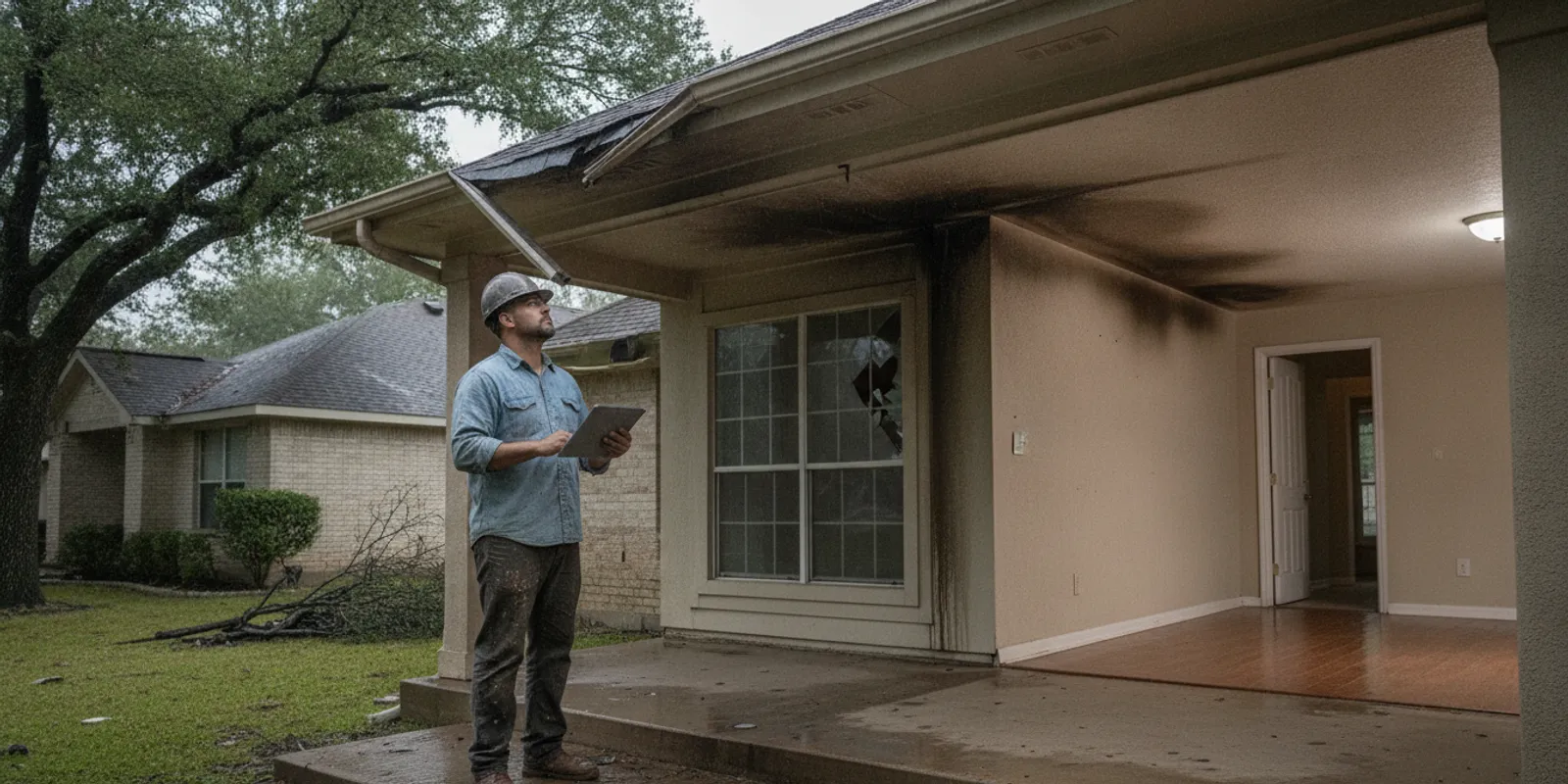
Once the property can be assessed safely, the provider looks at the source and visible impact of the water. The provider then considers what may need to happen next. Rhino Renovations describes its process as beginning with a complimentary on-site evaluation, damage inspection, safety assessment, and identification of urgent issues. That gives the homeowner a clearer starting point than coordinating separate repairs without a defined scope.
For Rhino, the service scope can extend from mitigation through complete restoration after pipe bursts, floods, and other water incidents. The work may therefore involve more than the first cleanup stage. The provider experience can include documenting the condition of the property, clarifying the restoration path, and coordinating the repairs needed to return the space to usable condition.
What the homeowner should expect next
A good first conversation should make the next decisions easier. Ask what the inspection found, which areas require attention, and what information the company needs from you. If the loss may involve an insurance claim, it can also help to work with an insurance reconstruction contractor who understands how documentation and restoration work fit together.
This provider-focused approach differs from a general repair checklist. The goal is to establish who is responsible for assessing the property, defining the work, and communicating with you as the project develops.
How Does the Initial Water Damage Assessment Work?
The initial assessment combines an on-site evaluation, damage inspection, and safety review. It also identifies urgent issues so the water damage company can define the work that may be needed.
Rhino Renovations begins its stated reconstruction process with a complimentary on-site evaluation. The goal is not simply to look at the most obvious wet spot. The inspection helps establish what happened, which areas are visibly affected, and what additional concerns may need qualified follow-up before cleanup or rebuilding moves ahead.
Safety comes before the scope of work
A safe assessment starts with the condition of the property. If flooding has affected the building, follow local officials' instructions before reentering. The EPA warns that standing water around wet outlets can create an electrical shock hazard. Do not assume the power is safe to restore. The CDC advises having an electrician check the home's electrical system before power is turned on again.
Structural warning signs also deserve caution. If the building shows signs that may indicate structural instability, do not enter until a qualified professional has verified that it is safe. These checks help separate urgent safety decisions from the later work of documenting damage and planning repairs.
Visible damage is only part of the conversation
During the inspection, be ready to point out where water entered, how far it traveled, and any rooms or systems that stopped working. A provider can then consider the visible condition alongside areas that may require closer evaluation. The resulting scope should distinguish immediate safety concerns from stabilization, drying, repairs, and possible reconstruction.
Homeowners can make the visit more useful by gathering basic information about the incident. Identifying areas they could not safely inspect, and sharing any concerns about electrical, water, or structural conditions. Do not disturb a dangerous area just to improve the inspection. Let the assessment guide what can be examined safely and what needs another qualified professional.
A clear assessment gives both the property owner and the water damage company a more practical starting point for the next steps. It also helps prevent premature repair decisions before the condition of the property is understood.
What Happens During Water Removal and Drying?
Water removal and drying stabilize the property in stages: standing water is addressed carefully. Affected materials are documented and cleaned, and the structure is allowed to dry fully before repairs begin.
The first priority is controlled removal. If standing water is several feet deep, taking it out too quickly can cause walls and floors to crack or collapse, creating additional structural damage. A qualified provider should account for the condition of the building rather than treating every water loss the same way. EPA guidance explains this water-removal risk.
Next, the affected areas are evaluated and documented as cleanup progresses. Prompt cleanup and documentation can help prevent mold growth and spread, while also creating a clearer record of what was affected. The work may involve separating materials or contents that need different handling, but the appropriate approach depends on the source and extent of the water.
Drying is not the same as making a room feel less damp. Walls, flooring, and other materials must be completely dry before they are refinished or replaced. Otherwise, moisture can contribute to future mold growth or affect the structural integrity of those materials. The CDC advises drying a flooded home as soon as possible to help prevent mold.
There is no responsible one-size-fits-all schedule. The water source, materials, damage extent, and conditions in the property all affect the sequence. For a closer look at the variables involved, read this water damage restoration timeline.
What Repairs Can a Water Damage Company Coordinate?
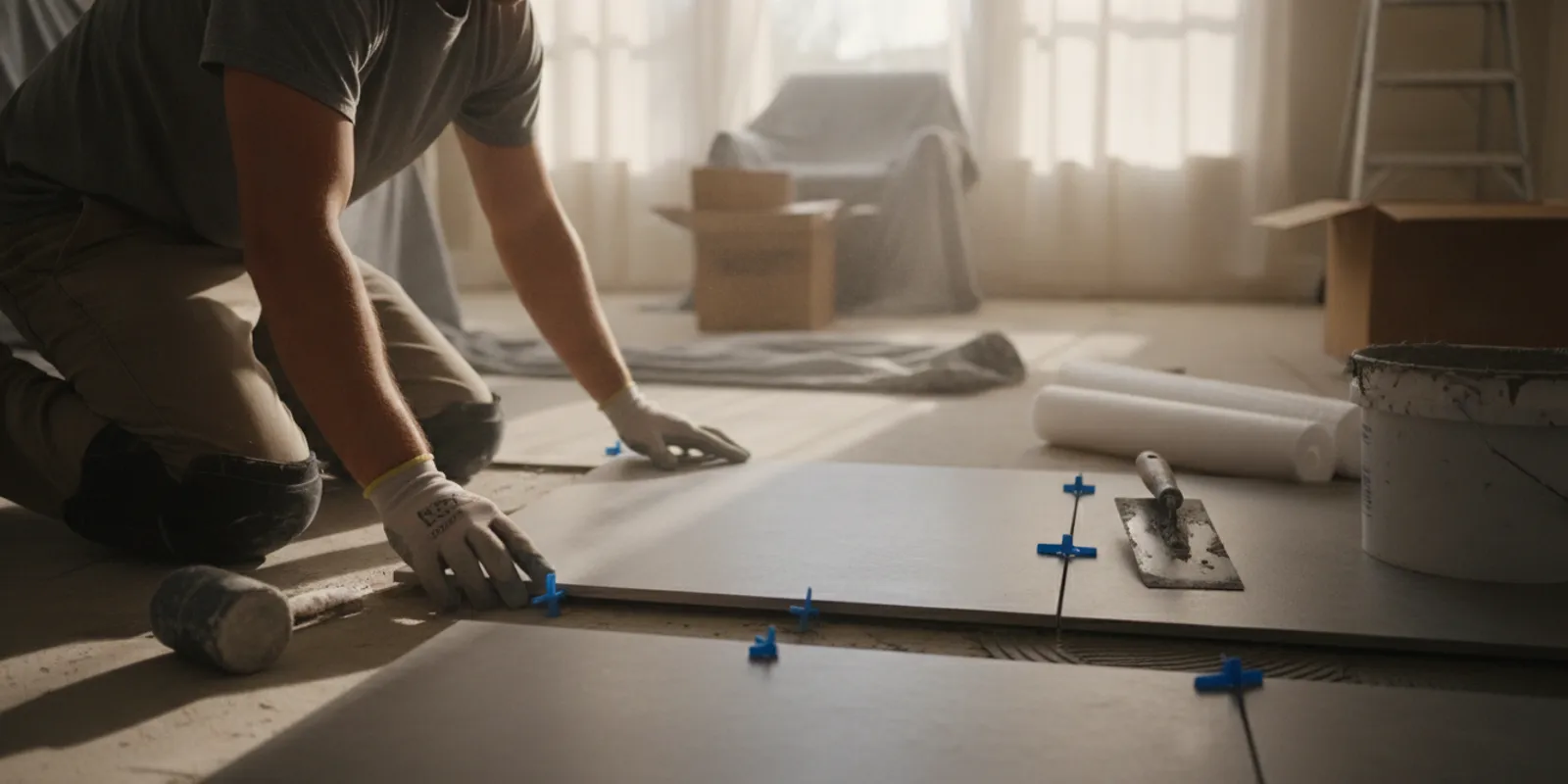
After stabilization and drying, a water damage company can coordinate the build-back work needed to restore affected rooms. Including scope planning, permits, trade scheduling, and communication with your insurer. The repair phase should begin only after the property and materials are ready for reconstruction. That separation helps prevent cosmetic work from covering unresolved moisture or damage.
The transition usually starts with a written reconstruction plan. Rhino Renovations says its plan addresses the work scope, cost estimates, project timelines, required permits, and coordination with insurance carriers. A clear plan gives you a shared reference point as damaged materials are removed, repaired, or replaced, and as questions arise during the project.
Coordinating several trades
Water damage rarely stays within one trade. Depending on the cause and extent of the loss, repairs may involve drywall, painting, and flooring replacement or restoration. Electrical, water, or HVAC systems may also need attention after a loss. FEMA recommends contacting appropriate repair services when those building systems are damaged, rather than treating every repair as a surface-level renovation. Learn more about repair services for electrical, water, and HVAC damage.
Ask who is responsible for sequencing these trades and who will keep you informed. One coordinator can help connect the scope, permits, material decisions, and finish work so that the project does not become a series of disconnected appointments. Communication should also make clear what has been completed, what remains open, and whether a change affects the agreed scope.
Permits and the build-back plan
Some repairs require local approval before rebuilding begins. The EPA states that required local permits must be obtained before rebuilding, and recommends consulting local building and floodplain officials about repairs to a flooded property. A qualified coordinator can help identify where permits fit into the plan, while the property owner should still understand what work is proposed and what approvals apply.
For a closer look at the reconstruction stage after initial recovery, read about home restoration build-back work. The goal is not simply to replace what looks damaged. It is to complete the repair scope carefully, document decisions, and keep the homeowner informed as the property moves from mitigation into restoration.
How Does Insurance Coordination Fit Into the Process?
Insurance coordination helps organize the documentation, scope, and communication surrounding a water loss. But it does not guarantee that a claim will be approved or that every repair will be covered. A water damage company can help explain the work it observes, prepare a clear scope, and communicate project information with the homeowner and adjuster. Your policy terms and the cause of the loss determine coverage.
Start with a record of the damage
Before damaged belongings are discarded, document the condition of the property. FEMA recommends taking photographs and videos of damage inside and outside the home, including structural and personal property. Record the serial numbers of large damaged appliances, such as refrigerators, washers, and dryers. Keep receipts for purchases made to replace or repair damaged property, and retain samples of damaged materials when practical. The type and quality of materials may matter to an insurance claim.
This information gives your insurer, adjuster, and contractor a shared starting point. It can also help distinguish the original condition from work performed during cleanup and reconstruction. If it is not safe to enter the property, follow local officials' instructions before attempting to document the damage.
Discuss agreements and scope before work begins
FEMA advises consulting your insurer or adjuster before signing a cleaning, remediation, or maintenance agreement. Ask what documentation the carrier needs, whether an inspection is required, and how emergency stabilization should be handled. Keep copies of agreements, estimates, invoices, photographs, receipts, and material records in one place.
A contractor may prepare a written scope that identifies affected areas and the work needed to restore them. Rhino Renovations describes its process as including scope development, cost estimates, project timelines, permits, and coordination with insurance carriers. That coordination is process support, not a promise about the insurer's decision.
Keep policy terms at the center
Water losses are not all treated the same way. Coverage depends on the language, exclusions, limits, and conditions in your policy. For a practical overview of documentation and common distinctions, review water damage insurance coverage before assuming a particular repair will be covered. A qualified contractor can help describe the physical work, while your insurer or adjuster explains how the policy applies.
How Do You Choose the Right Water Damage Company?
The right water damage company should give you a clear evaluation, a written scope, documented insurance communication, and one accountable team for the work that follows. Choose a provider that can explain what it found, what it recommends, and who will keep you updated from mitigation through restoration.
Ask how the evaluation becomes a plan
Start by asking what the first visit includes. A useful evaluation should address the visible damage, safety concerns, urgent issues, and the likely path from mitigation to complete restoration. Rhino Renovations says its process begins with a complimentary on-site evaluation, inspection, safety assessment, and identification of urgent issues. Ask for those findings in writing rather than relying on a verbal summary.
The follow-up plan should identify the work scope, cost estimates, project timelines, permits, and any planned coordination with your insurance carrier. It should also make clear which items are still subject to inspection or policy review. For more questions to take into a contractor conversation, see this guide on how to choose a qualified contractor.
Verify licensing, permits, and communication
Ask which licensed professionals will handle each part of the project and what licensing or certification evidence applies to the work. Do not hesitate to request documentation and confirm who is responsible for obtaining required permits. A dependable provider should also explain who owns the photos, reports, scope updates, and insurer communication. Ask how often the owner will receive updates and whom to contact when the scope changes.
Look beyond cleanup to build-back capability
Water damage often leaves more than a drying task. Ask whether the same team can coordinate the repairs needed to restore the property, including drywall, painting, and flooring replacement or restoration. Rhino Renovations lists these capabilities as part of its water-damage services, along with coverage from mitigation through complete restoration after pipe bursts, floods, and other incidents.
Finally, ask how the provider separates restoration work from ordinary remodeling and how those phases will be coordinated. This explanation of restoration contractor differences can help you compare the scope of support before you sign an agreement.
Ask for the evaluation findings and urgent safety concerns.
Request a written scope that separates stabilization from reconstruction.
Confirm who coordinates permits, trades, and insurance documentation.
Choose a provider who explains updates and scope changes clearly.
What to ask | Why it matters |
What did the evaluation find? | Clarifies safety concerns, affected areas, and urgent next steps. |
Who owns the written scope? | Identifies the person responsible for documenting changes and coordinating work. |
How will insurance communication work? | Separates contractor documentation from the insurer's coverage decision. |
Who coordinates permits and trades? | Shows how the project will move from stabilization into build-back. |
Frequently Asked Questions
Does insurance pay for water restoration?
It depends on your policy, the source of the water, and the circumstances of the loss. Coverage is not automatic, so review your policy and ask your insurer or adjuster what applies before signing a cleaning or remediation agreement. FEMA also recommends documenting damage and consulting your insurer before entering an agreement. See FEMA's documentation guidance and review your water damage insurance coverage.
How much does water damage restoration cost?
There is no reliable one-size-fits-all price. Cost depends on the water source, affected materials, the extent of drying and removal, and the repairs needed afterward. A useful assessment should identify the scope of work and separate mitigation from reconstruction before you compare proposals. Ask for a written scope, cost estimate, expected sequence, and any permit or trade requirements.
What should I document before cleanup begins?
When it is safe to enter, photograph and video damaged rooms, structural elements, and belongings before discarding anything. Record serial numbers for damaged major appliances, keep receipts for related purchases or repairs, and retain samples of damaged materials when practical. These records can help your insurer evaluate the loss. FEMA's flood recovery guidance outlines these documentation steps.
What should happen during the first visit?
The first visit should establish what happened, whether the property is safe to enter, and what needs attention first. The contractor may inspect affected areas and identify urgent issues. They can also discuss drying, repairs, documentation, and insurance coordination. Before power is restored in a flooded home, the CDC advises having an electrician check the electrical system. Review the CDC's reentry guidance.
Ready to Talk Through Your Water Damage?
A clear evaluation can help you understand the condition of your home, the repairs involved, and how documentation may fit into the insurance process. Schedule a free consultation and on-site evaluation with Rhino Renovations to talk through your next steps. Contact us to get started or call (512) 617-9897.

Comments