

Sliding Door Repair Services in Austin, TX

A patio door that drags, will not latch, or fogs between the panes is a daily problem, not a someday project. Sliding door repair services in Austin and Round Rock start with finding which part failed. Worn rollers, a bent track, a bad latch, tired weatherstrip, a failed glass unit, and a wet sill are different jobs. Hardware can often be serviced when the opening is still square and dry. A soft sill or an out-of-square frame usually cannot be saved with parts alone.
Rhino Renovations is a licensed reconstruction and remodeling contractor in Round Rock. The company does not sell standalone patio-door hardware: rollers, tracks, locks, screens, or a single glass unit. Jerson F Cruz and the crew walk the opening when water, storm, or fire damage has reached the sill, the wall, or the floor. They coordinate drywall, paint, finish carpentry, and flooring as part of that rebuild. There is no public price list. The visit is a free, no-obligation on-site evaluation during weekday hours, Monday through Friday, 9am to 5pm.
What Do Sliding Door Repair Services Cover?
Sliding door repair services cover the moving panel and the parts that let it close, lock, and keep weather out: rollers, track, latch, weatherstrip, screen, and sometimes one glass unit. They do not, by themselves, rebuild a rotten sill or a racked wall.
Most patio complaints land in one of six places. A short look at each one tells you whether you are buying a part from a hardware or glass shop, or opening a wall.
What you notice | Likely part | Typical path |
The panel drags, chatters, or sits low. | Worn rollers or collapsed carriages are the usual cause. | A hardware or glass shop can often service this when the track is still straight and parts exist. |
A bump, flat spot, or crown in the rail. | The aluminum track has been worn down by the panel. | A cap can help a worn but straight track. A bent or rusted track will not hold new rollers. |
The door closes but will not latch. | The lock, the keeper, or a panel that sits too low. | A hardware shop should replace the latch only after the panel height is checked. |
A whistle, dust line, or daylight at the meeting rail. | Pile weatherstrip, or an opening that is out of square. | Even gaps point to weatherstrip. A tapering gap points to the frame. |
Haze between the panes that will not wipe off. | The insulated glass seal has failed. | A glass shop replaces the unit. It cannot be dried out from either side. |
Soft floor, stain, or a musty smell at the sill. | The frame, the sill, or the subfloor has taken water. | Stop at hardware. This scope is reconstruction, not a roller visit. |
Age is a weak clue. A twenty-year door on a dry, square opening can be worth servicing. A newer door in a racked opening may not. Ask the company what they will inspect before they quote a part. A roller quote and a reconstruction quote are not the same conversation.
Screen doors fool people into calling the wrong trade. A dragging screen is often a bent screen roller or a clogged screen track. That is a small job on the screen, and it does not tell you the main glass panel is fine. Look at the glass panel on its own rail before you approve a tune-up that never touches it.
Pocket doors and hinged patio doors are a different mechanism. This article is about panels that roll. If your door swings on hinges, the roller checklist will waste a visit. Say which door you have when you book so the walk-through matches the hardware, or so a reconstruction visit is not booked for a screen roller.
How Do You Tell Rollers and Track From a Bad Frame?
Lift the closed panel a little and run a finger along the rail. A panel that lifts before the rollers seat has worn carriages. A rail with burrs or a pressed-in crown will eat new rollers. A gap that is wide at the top and tight at the bottom is a squareness problem, not a latch problem.
Try this order before you approve a parts-only visit:
Open the door a few inches and lift the panel. Noticeable lift means the rollers have collapsed.
Feel the raised rail for flat spots, burrs, or a section bent outward.
Close the door and watch the gap from top to bottom. An even gap with a whistle is usually weatherstrip. A tapering gap is the opening.
Press the sill and the floor just inside it. Soft spots, staining, or a musty smell end the hardware conversation.
Check the latch only after the panel sits at the right height. A latch that catches only when you yank the panel is often reporting a low door.
New rollers on a bad track wear out early. That is why some repairs feel fine for a month and then drag again. A useful hardware quote names the track condition, not only the roller brand. If the quote never mentions the sill, you do not yet know whether the job stays with a glass shop.
Austin sun and grit speed this up. Pollen, caliche dust, and pet hair pack into the rail. A door that was smooth in spring can drag by late summer without any part breaking. Cleaning loose grit from the track is fair homeowner maintenance. Grinding a crowned aluminum rail flat with a file is not, because the metal is soft. You can make a soft aluminum rail worse and still need the cap.
Also watch the fixed panel, not only the one you slide. Daylight at the interlock, where the moving panel meets the fixed one, is a clue. An even line usually means the pile is tired. A gap that opens at one end means the panel is no longer plumb. Weatherstrip on a crooked door will look new and still leak.
If storm water is what pushed the door out of square, start with the damage path, not a hardware catalog. Our guide to storm damage restoration options in Austin covers how to compare cleanup and rebuild choices before you spend on a single part.
When Should You Repair the Door Instead of Replacing It?
Repair when the failure is a serviceable part and the frame, sill, and glass package are still worth keeping. Replace the opening when the frame itself failed, water reached the sill or subfloor, the glass is no longer the glass you would choose, or parts for that product line are gone.
These are ordinary hardware-shop items when the opening is still square and dry. They are not a reconstruction scope, and Rhino Renovations does not sell them as a standalone visit:
Roller assemblies, with the panel removed and the height reset so the door sits square.
A track cap on aluminum that is worn but still straight. A bent or rusted-through track is not a cap job.
Handles, latches, keepers, and strikes.
Pile weatherstrip and the screen, including screen rollers.
One failed glass unit, when the frame can still hold a new unit.
The U.S. Department of Energy treats weatherstripping on movable parts as routine air sealing, not a remodel. Its guide to weatherstripping an exterior door is a fair homeowner reference for what that strip is supposed to do. It is not a substitute for a door that is out of square.
Replacement of the opening is the honest call in four cases. The frame is racked and no longer square. Water has reached the sill or the subfloor beneath the finish floor. The glass package is not one you would choose again, such as a failed seal plus a frame that cannot hold a new unit. Or the manufacturer no longer sells rollers and locks for that line. Spending on parts in those cases does not come back.
Rhino Renovations does not publish reconstruction prices, and this page will not invent a door price either. A free consultation is for the wet-sill and out-of-square cases, where the wall or floor is part of the job. A roller-only quote belongs with a glass or hardware shop. Bring the door brand if it is still on a sticker at the head or the edge of the panel. That label helps whoever opens the wall match the replacement unit to the opening you already have.
Windows follow a similar repair-versus-replace logic, but the parts are not the same. If the problem is a hung window rather than a patio slider, read how to decide on window repair or replacement instead of forcing this checklist onto a different opening.
When Does a Stuck Slider Mean Water Damage?
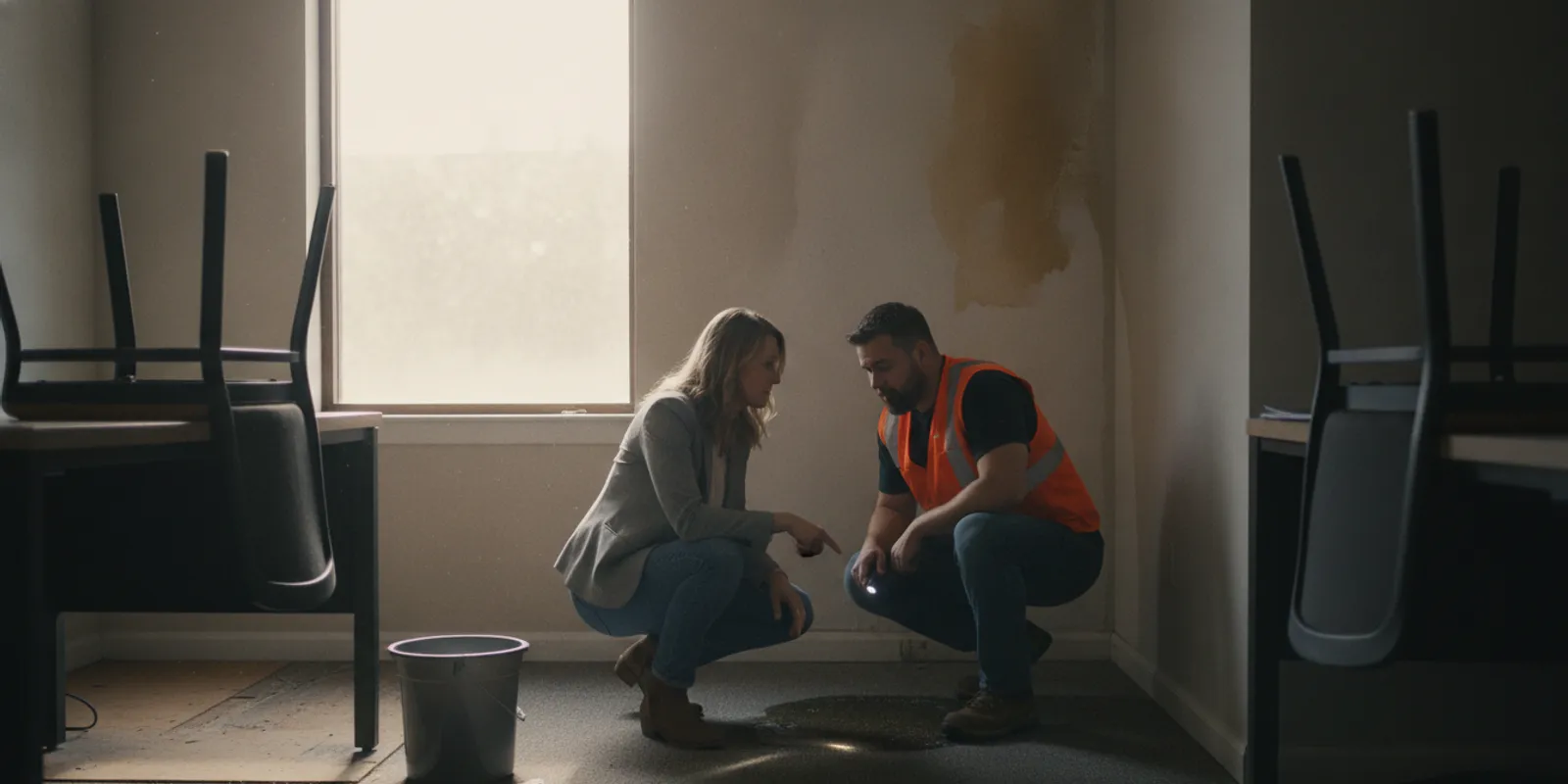
A stuck slider means water damage when the sill or the floor inside it is soft, stained, or musty, or when the panel-to-jamb gap tapers. Rollers will not fix a rotten sill. Forcing the panel can tear the finish floor and hide the leak.
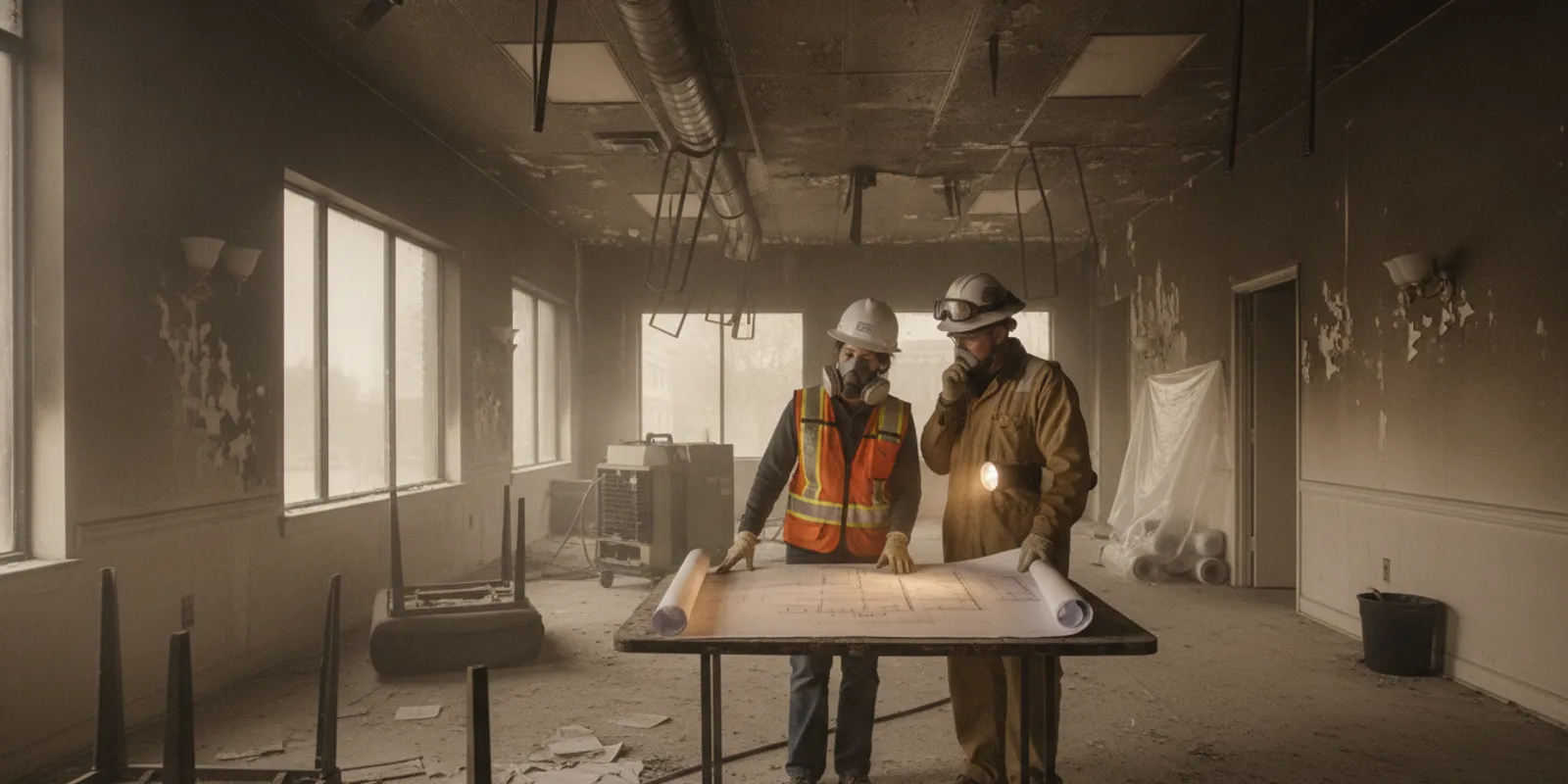
Central Texas rain and hard wind drive water at patio sills. Once it passes the pan, you are looking at subfloor, drywall, and sometimes insulation, not a hardware-only swap. That is the reconstruction scope Rhino Renovations does handle: dry the assembly, replace what failed, and put the opening back square before a new panel goes in. The roller, lock, and glass-unit work stays with a door or glass shop unless the opening itself has to be rebuilt.
Use the same caution you would after a pipe leak indoors. Our Austin water damage repair guide walks through what to check before finishes go back on. If the door failed during a flood event, the questions in what to ask before flood damage restoration belong in the first call.
A leaky patio door is not automatically an insurance reconstruction project. Do not assume a claim will pay for a new panel or for new rollers. A free consultation is how you find out whether the opening is a claim-related rebuild or a hardware problem that never reaches the wall. For the broader contractor role on a claim, see what an insurance reconstruction contractor handles in Austin.
While you wait for that visit, keep water out of the finished floor. Towel the sill after rain. Do not caulk the weep holes shut if you can see them. Those holes are how the track drains after a storm. Blocking them traps water against the pan and the subfloor. Skip a temporary plastic sheet, because it traps moisture against drywall and insulation. If the floor inside the sill is already soft, stay off that spot so you do not punch through the subfloor.
What Should a Contractor Inspect On Site?
Whoever walks the opening should inspect the rollers, the full length of the track, the latch at the correct panel height, the weatherstrip gap, the glass seal, and the sill and subfloor. A quote that skips the sill is only a parts guess, and it can miss the real failure.
Split the visit by what you already see. A hardware or glass shop is the right first call when the floor is firm, the gap is even, and the complaint is drag, a latch, a screen, or haze between the panes. Book a Rhino Renovations reconstruction consult when the sill or the floor inside it is soft, stained, or musty, or when the panel-to-jamb gap tapers. That visit is a walk of the opening and the floor around it, not a phone price for rollers. Ask these questions while the person is there:
Is the track straight enough for new rollers, or does the opening need more than a cap?
Does the product line still have roller and lock parts, or has the line been discontinued?
Is the glass seal failed, or is the haze on the room side only?
Is the sill firm, and is the opening square from top to bottom?
Will the work disturb interior trim, drywall, or flooring?
Does any of this work need a City of Austin permit?
The City of Austin Development Services Department explains permit triggers on its Do I Need a Permit page. A roller swap is not the same review as replacing a door unit in an exterior wall. Confirm the scope before anyone orders a panel. Round Rock has its own building department. If the house is outside Austin city limits, do not assume the Austin page is the last word. Say the city when you book so the permit question is asked in the right jurisdiction.
Specialty glass shops around Austin often stop at rollers, locks, and a glass unit. That is the right call when the sill is firm and the wall is dry. It is the wrong call when the visit finds soft subfloor, wet insulation, or trim that has to come off. Rhino Renovations' lane is that second case. The verified trades that follow are insulation, drywall, texture, painting, finish carpentry, cabinetry, tile, and flooring. The company does not advertise a standalone sliding-door repair crew. You should not need one vendor for the damaged wall and a second, uncoordinated crew for the finishes around it.
Finish work around the opening is a separate trade from the slider hardware. If the visit shows damaged casing or a soft wall, our note on finish carpentry and cabinetry planning in Austin is the right next read. Drywall behind a leaking jamb is covered in the drywall installation and repair guide. Whole-home sequencing, if the door is one piece of a larger remodel, sits in the Austin home remodeling guide.
Frequently Asked Questions
Can a carpenter fix a sliding door?
A finish carpenter can reset trim and help square an opening. Rollers, track, lock, weatherstrip, and glass are hardware or glass-shop work. If the sill is soft, you need a reconstruction contractor who can open the floor or wall, not only a hardware swap. Rhino Renovations handles that reconstruction and the finish trades around it. The company does not sell roller or lock service by itself.
How do I fix a sliding glass door that will not roll?
Check the rollers and the track before you buy a new door. Lift the panel. If it rises and then drops back onto collapsed carriages, the rollers are the first suspect, and a hardware shop is the usual next call. If the rail is bent or crowned, new rollers alone will not last. If the floor at the sill is soft, stop and book a reconstruction look instead.
Does a fogged patio door mean the whole door is bad?
No. Haze trapped between the panes is a failed insulated glass seal. The unit cannot be wiped dry. A glass shop can sometimes replace that one unit in a sound frame. Replace the opening when the frame or sill has also failed, or when parts no longer exist. Fogged glass alone is not a reconstruction project.
Do sliding door repair services publish a flat price?
Hardware shops and reconstruction contractors price different scopes, and neither number belongs on this page. Rhino Renovations does not publish reconstruction prices, and it does not sell a flat roller or lock visit. Scope changes when water reaches the sill or the opening is out of square. Schedule a free consultation only when the wall or floor is part of the question.
Is sliding door repair the same as window repair?
No. Both can involve glass and weatherstrip, but a patio slider fails at rollers and a track that a hung window does not have. Use a window guide for window complaints and this checklist for sliders. In both cases, a soft sill or a wet wall is reconstruction, not a parts swap.

Comments