

Insurance Reconstruction Contractor Austin TX Guide

Updated: Sep 15
After water, fire, or storm damage, the repair itself is only one part of the problem. You may also be sorting through an unfamiliar claim, documenting the loss, and trying to understand what happens next while your home is disrupted.
An insurance reconstruction contractor austin tx homeowners can rely on helps coordinate the build-back after a covered loss, not simply perform general remodeling. Specialized restoration contractors focus on property recovery, claim documentation, and the requirements that can affect how repairs are planned and approved. The goal is to restore the home to its pre-loss condition while keeping the reconstruction process clear and organized.
That distinction matters when estimates, adjuster communication, materials, and repair scope all need to line up. Understanding what this type of contractor actually does is the first step toward choosing help that fits the claim and the condition of your home.
What Is an Insurance Reconstruction Contractor?
An insurance reconstruction contractor is a construction professional who restores a damaged home after a covered loss. While also managing the documentation and coordination required by the insurance claim. The work may follow water damage, a severe storm, fire, or another event that leaves part of the property unsafe or unlivable. Instead of treating the project as a standard remodel, the contractor connects the condition of the home, the repair plan, and the claim requirements.
How the role differs from a general contractor
A general contractor typically organizes construction for a planned project, such as a kitchen renovation, room addition, or other elective improvement. An insurance reconstruction contractor works within a recovery process that begins with existing damage and a defined pre-loss condition. The goal of build-back is to restore the home to its condition before the loss, rather than redesigning it around new preferences.
That difference affects how the project is evaluated and documented. A reconstruction contractor must understand what was damaged, what work is necessary to restore it, and which details an insurance carrier or adjuster may need to review. The contractor may coordinate site information, scope details, estimates, photographs, and changes as the work develops. This specialized focus is why restoration contractors and general remodeling contractors are not interchangeable. Rhino Renovations explains the distinction in its guide to specialized restoration contracting services.
What an insurance reconstruction contractor handles
The contractor's role is both practical and administrative. On the construction side, the team plans and performs the repairs needed to return the property to a usable condition. On the claim side, it works with the homeowner and adjuster so the repair scope is clearly described and supported. The distinction between standard and insurance contracting lies largely in handling claim documentation and adjuster requirements, not simply in the tools or materials used.
- Damage-to-scope translation:
Turning observed property damage into a clear repair plan.
- Claim coordination:
Sharing relevant project information with the homeowner, carrier, and adjuster.
- Build-back management:
Scheduling trades, materials, and construction through the restoration phase.
- Condition-focused repairs:
Rebuilding what was lost without confusing necessary restoration with elective upgrades.
Homeowners should still review their policy and confirm any contractor requirements with their carrier. An experienced insurance reconstruction contractor can help make the process easier to follow, but cannot change coverage decisions or promise that a particular repair will be approved. For a closer look at the work after a loss, read about the insurance reconstruction process.
How the Insurance Claims Process Works for Austin Homeowners
Property damage is stressful enough without guessing what happens next. A clear claims process helps you document the loss, communicate with your insurer, and plan the work needed to restore your home. Proper claims management is important for keeping repairs moving in a timely way, while the right reconstruction partner can help coordinate technical details with the adjuster.
Assess the damage and protect people first
Start with safety, not paperwork. If the property may be structurally unsafe, contaminated, or exposed to an active water, fire, or electrical hazard, leave the area and follow local guidance. Do not make permanent repairs before the damage is documented, but take reasonable steps to prevent additional loss when it is safe to do so. Photograph and video each affected room, surface, and personal item. Keep receipts for temporary measures and emergency expenses, and write down when the damage occurred and what you observed.
Contact your insurance company and open the claim
Report the loss through the contact method listed in your policy. Ask for the claim number, the adjuster's contact information, the deductible, and any deadlines for submitting documents. Policies can include specific guidelines about contractor approval and billing, so ask whether your insurer requires a preferred vendor, a licensed contractor, or particular forms before reconstruction begins. Your contractor can help organize records, but the policy and insurer determine the applicable claim requirements.
Meet with the insurance adjuster
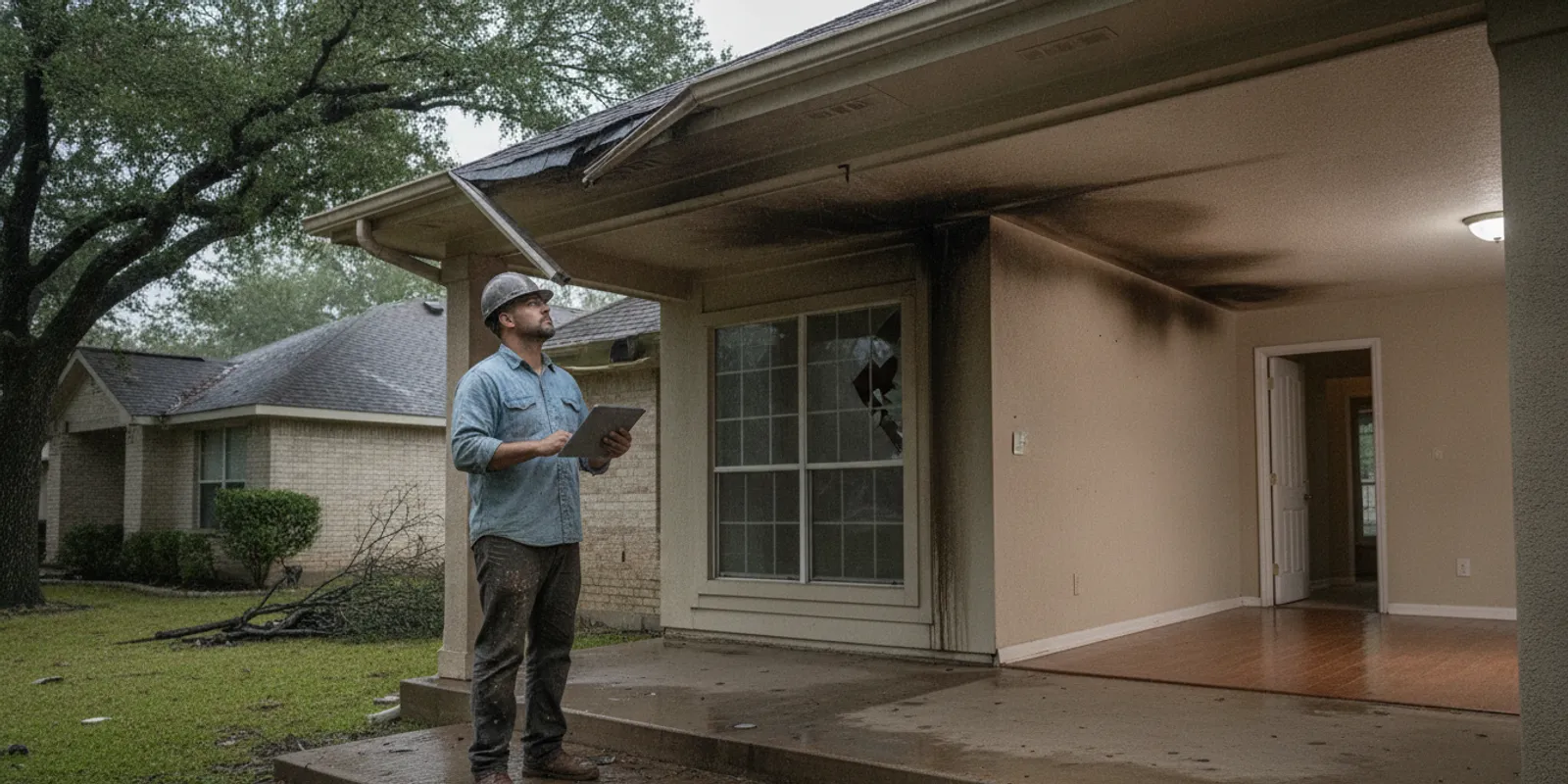
The adjuster evaluates the reported loss and helps establish what the policy may cover. Insurance reconstruction involves working closely with adjusters so the proposed repairs are documented and reviewed accurately. Prepare your photo record, receipts, maintenance information, and a room-by-room list of visible damage. If hidden damage becomes apparent later, report it promptly rather than assuming it is automatically included. A reconstruction contractor can attend or coordinate around the inspection, explain building conditions, and identify items that deserve further investigation.
Review the estimate and reconstruction scope
After the inspection, the claim estimate translates observed damage into labor, materials, and repair tasks. Rhino Renovations uses Xactimate estimating software to prepare detailed reconstruction estimates. Restoration companies may also offer free estimates, but an estimate should be reviewed for scope, not just price. Compare the rooms and components listed against your documentation, and ask how damaged materials, code-related requirements, temporary work, and supplements will be handled. Keep the estimate, policy correspondence, and revisions together.
Wait for claim review and approval
Your insurer reviews the submitted information and communicates its coverage decision or requests additional documentation. Approval does not necessarily mean every desired improvement is included. Insurance reconstruction is generally focused on restoring the documented loss, while upgrades or unrelated remodeling may require separate planning and payment. Ask for the decision in writing, confirm the approved scope and payment schedule, and address disagreements through the insurer's stated claims process.
Select the contractor and confirm the work plan
Once you understand the approved scope, choose a contractor with specific experience handling insurance repairs, documentation, and adjuster requirements. Verify licensing and relevant work history, and confirm who will communicate changes to the insurer. Before signing, review the contract, scope, deductible responsibility, materials, schedule, and change-order process. If your policy has contractor approval requirements, make sure those are satisfied before work begins.
Begin reconstruction and build-back
After approvals, selections, permits, and scheduling are in place, reconstruction can start. The contractor coordinates the defined work, communicates progress, and documents conditions that require a revised scope. The build-back phase is intended to restore the home to its pre-loss condition, not rush through unresolved issues. Stay involved, keep copies of updates and invoices, and ask questions whenever the work differs from the approved plan. Clear communication at this stage helps the repair stay organized from the first reconstruction activity through final completion.
Because each policy and loss is different, homeowners should rely on their policy documents and insurer for coverage decisions. A qualified reconstruction contractor in Austin can help you understand the repair scope, prepare documentation, and coordinate the next practical step.
Why Austin Homeowners Face Unique Property Damage Risks
Austin sits in what many residents call "flash flood alley," where intense rainfall can overwhelm drainage, yards, foundations, and finished living spaces in a short period. The area receives approximately 33 inches of rain each year, with some of the heaviest downpours typically arriving in May, June, and October. That volume makes water intrusion and storm damage recurring risks rather than remote possibilities.
Flash flooding can turn a storm into a reconstruction project
During a severe storm, Austin can receive 5 to 7 inches of rain in only a few hours. Runoff may enter through damaged roofing, windows, doors, foundation openings, or overwhelmed drainage systems. Once water reaches drywall, insulation, flooring, cabinetry, or framing, the visible damage may represent only part of the problem. Moisture can continue spreading behind finished surfaces, creating additional repair needs if the property is not assessed and dried promptly.
Floodwater and stormwater can also affect more than the interior. Saturated soil may shift around foundations, fallen limbs can damage exterior structures, and blocked drainage can leave standing water against the home. Regular maintenance, including keeping drainage paths clear and addressing vulnerable exterior areas. Can help reduce the impact of storms, but it cannot eliminate the risk of a major event.
Hail and hard freezes create different kinds of damage
Spring storms can bring hail that damages exterior materials, windows, siding, and other vulnerable components. A hard freeze creates a separate threat: water inside exposed or poorly protected plumbing can freeze, expand, and cause a pipe to split. When temperatures rise, the resulting leak may affect walls, ceilings, flooring, and personal property. These events can occur independently or alongside wind and rain, making the scope of a loss difficult to identify from a quick visual inspection.
When weather damage affects multiple systems or rooms, homeowners may need more than a standard repair visit. An insurance reconstruction contractor in Austin, TX understands that the work may involve documenting the loss, coordinating with an adjuster, and restoring the property to its pre-loss condition. That specialized support can be especially valuable when water, structural, and finish repairs overlap. A thorough assessment helps separate emergency mitigation from the larger reconstruction plan, giving the homeowner a clearer path forward.
How to Choose the Right Insurance Reconstruction Contractor in Austin, TX
Choosing an insurance reconstruction contractor after water, fire, or storm damage is not the same as hiring a contractor for a planned remodel. You need a team that can perform quality construction while also documenting the loss, communicating with the adjuster, and keeping the repair scope aligned with the claim. Use the following criteria to compare an insurance reconstruction contractor Austin TX homeowners can trust.
Verify licensing and qualifications
Start by asking which licenses, certifications, and trade qualifications apply to the work being proposed. Licensed contractors provide specialized services for residential property damage recovery, but licensing alone is not enough. Ask who will perform each part of the work, whether subcontractors are used, and whether the crews are properly qualified for the project. Rhino Renovations emphasizes licensed, certified crews and the appropriate licenses and certifications for its work.
You may also hear references to TRC or ICC credentials. Ask the contractor to explain which credential applies to your scope of work and to provide documentation you can verify. A reputable company should answer directly rather than treating licensing as a vague trust claim.
Look for insurance-claim experience
Specific insurance-repair experience matters. Research guidance for Austin homeowners recommends vetting restoration professionals for experience with insurance-covered repairs, not simply general construction. The distinction is practical: insurance reconstruction requires organized claim documentation and familiarity with adjuster requirements. Ask whether the contractor regularly prepares scopes, estimates, photos, and change documentation for property-loss claims.
Ask how the company communicates with your adjuster and how it handles differences between the initial estimate and the work required to restore the property. The contractor should explain the process clearly without promising that an insurer will approve every item or guarantee a particular claim result.
Confirm Xactimate proficiency and transparent estimating
Xactimate is widely used for property-loss estimating, and Rhino Renovations uses Xactimate estimating software. Ask whether the person preparing your estimate is proficient with the platform and can walk you through the line items in plain language. You should understand what is included, what remains subject to insurer review, and how supplements or unforeseen conditions will be documented.
Transparency also means receiving a written scope, realistic communication expectations, and clear payment terms before work begins. Be cautious if a contractor pressures you to sign immediately, discourages questions, or cannot explain how the estimate connects to the visible damage.
Favor local knowledge and verifiable trust signals
Local market knowledge helps a contractor account for Austin-area permitting expectations, common building conditions, and the realities of coordinating work across Austin and Round Rock. Check the company's work history, relevant project experience, and business standing as part of your due diligence. BBB accreditation and professional association membership can provide additional context, though neither replaces a detailed conversation about your loss.
Rhino Renovations has more than 20 years of experience, has been BBB accredited since 2023, and is a member of the Austin Apartment Association. These are useful trust signals to consider alongside its insurance-reconstruction experience, estimating process, and communication standards. Review Rhino Renovations to learn more about the company, then ask specific questions before choosing a contractor.
What to Expect During the Reconstruction and Build-Back Process
Once an insurance claim is approved, the work shifts from documenting damage to making the property safe, sound, and usable again. Build-back is the reconstruction phase that restores a damaged home to its pre-loss condition. Knowing what happens next can make an unfamiliar process feel more manageable and help you make informed decisions as work progresses.
A dedicated insurance reconstruction contractor coordinates the moving parts instead of treating each repair as a separate project. The contractor works from the approved scope, communicates with the homeowner, manages qualified trades, and keeps the work aligned with documentation and inspection requirements. The exact sequence depends on the type and extent of damage, but most projects move through these phases:
Mitigation, drying, and safety assessment
Before reconstruction begins, the priority is to stop ongoing damage. Water may be extracted, affected materials may be dried, and unsafe areas may be isolated. The team evaluates what can be cleaned or preserved and what must be removed. Do not re-enter a property simply because the visible water is gone. After a disaster, the CDC recommends having a professional inspect the home for safety before going inside and following local authorities' guidance about re-entry. Read the CDC's guidance on returning home after a natural disaster.
Selective demolition and removal
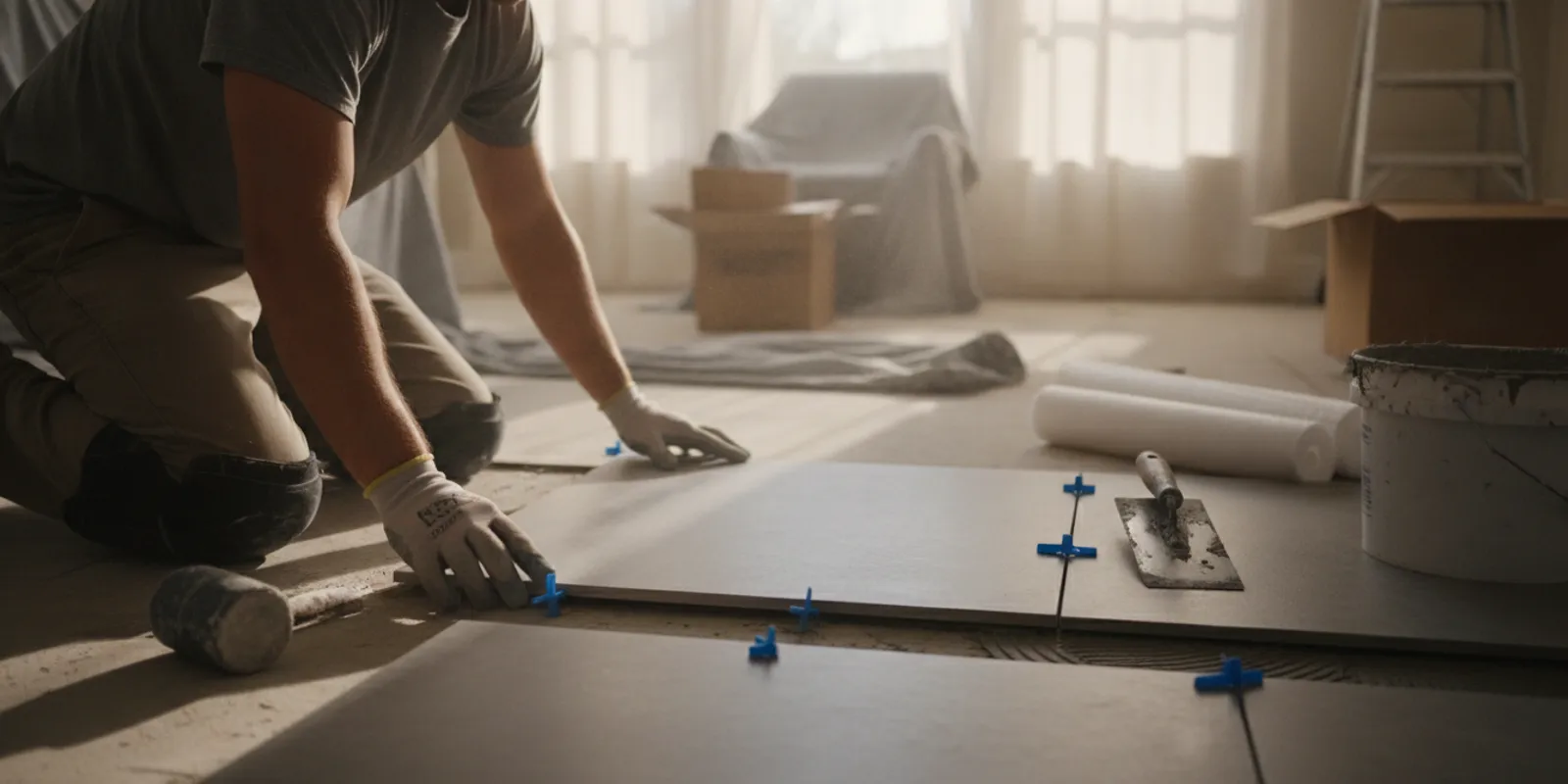
Damaged drywall, flooring, cabinets, insulation, or other materials are removed as needed to expose the affected areas and prevent hidden problems from remaining behind finished surfaces. This is controlled demolition, not demolition for its own sake. The reconstruction contractor documents conditions as work progresses, protects unaffected areas where possible, and keeps the removal aligned with the claim scope.
Structural repairs and rough work
Once the structure is accessible, the crew addresses framing, subflooring, wall assemblies, electrical components, plumbing, or other underlying repairs identified in the approved plan. This phase may require coordination among several trades. A contractor experienced in both residential and commercial reconstruction can organize those construction needs while keeping the project centered on the damaged property's recovery.
Dry-in and protection from the elements
Dry-in means restoring the parts of the building envelope that keep weather outside, such as exterior walls, openings, and related protective layers. Reaching this milestone helps protect repaired areas from additional moisture while interior work continues. The team checks that the property is properly enclosed before moving into finish work, while accounting for any remaining approvals or required inspections.
Interior finishes and installation
With the underlying repairs complete, the project moves toward visible restoration. Crews may install drywall, trim, paint, flooring, cabinets, fixtures, and other items included in the reconstruction plan. Materials and finishes should be tracked against the approved scope so changes are clear. This is where careful project management matters: doing the job right, not just fast, helps the finished repairs hold up.
Inspections, documentation, and closeout
Final inspections and walkthroughs help confirm that the work is complete and that required approvals have been addressed. The contractor reviews outstanding items, documents completed repairs, and explains any maintenance or follow-up needs before closeout. For a more detailed look at the insurance reconstruction process, see Rhino Renovations' guide to build-back services.
Throughout these phases, one point of contact can reduce confusion for a homeowner already managing a stressful loss. Understanding the restoration process helps you feel more in control, ask better questions, and see how each stage contributes to a safe return to the property.
Insurance Reconstruction vs. Regular Remodeling: Key Differences
Both projects involve skilled construction, but the starting point and decision-making process are different. Insurance reconstruction responds to damage and focuses on restoring the property to its pre-loss condition. Regular remodeling is an elective improvement project, where the homeowner chooses what to change, which materials to use, and how much to invest. Restoration contractors may handle water, storm, and construction damage, while remodeling contractors typically focus on planned upgrades.
Consideration | Insurance reconstruction | Regular remodeling |
Primary scope | Repairs damage and rebuilds affected areas toward the home's pre-loss condition. The work may follow water, storm, fire, or other covered property damage. | Upgrades or changes an otherwise usable space, such as a kitchen, bathroom, layout, finishes, or fixtures, based on the homeowner's goals. |
Documentation | Requires organized claim documentation, an estimate, damage details, and coordination with the insurance adjuster. Policy rules may also set requirements for contractor approval and billing. | Centers on a design scope, selections, drawings or plans when needed, a construction agreement, and a homeowner-approved budget. Adjuster sign-offs are not normally part of the process. |
Timeline | Often urgent because damage can affect safety, habitability, and the risk of additional loss. Proper claims management is important to keep repairs moving. | Usually planned in advance. The homeowner and contractor can schedule design decisions, ordering, preparation, and construction around the household's priorities. |
Payment structure | May involve insurance disbursements, deductibles, approved scopes, and payment milestones tied to the claim. Coverage and payment timing depend on the policy and insurer. | Is generally funded directly by the homeowner through available savings, a remodeling loan, or another financing arrangement, with payments defined in the contract. |
Contractor expertise | Calls for experience with claim documentation, adjuster communication, damage assessment, and reconstruction execution. The distinction from standard contracting is largely in the claim and adjuster requirements. | Calls for design coordination, product selection, estimating, project management, and finish installation. A design-build contractor may guide the homeowner from concept through completion. |
Choosing the right category matters before work begins. A planned upgrade should not be presented as damage, and a serious loss should not be treated like a simple cosmetic refresh. A contractor with insurance reconstruction experience can help organize the repair scope and coordinate with the adjuster, while a remodeling specialist can help shape elective improvements. Review the distinction between specialized restoration contracting services when deciding which type of support fits your situation.
For a property affected by damage in the Austin area, start with a documented assessment rather than making assumptions about coverage or payment. The contractor can explain the reconstruction scope, identify the information needed for the claim, and clarify which decisions remain with you.
Frequently Asked Questions
What does an insurance reconstruction contractor do?
An insurance reconstruction contractor documents property damage, develops a repair plan, coordinates with the adjuster, and manages the build-back work. The goal is to restore the home to its pre-loss condition while keeping the repair scope and claim documentation aligned. Reconstruction is different from ordinary remodeling because it must account for claim requirements and adjuster expectations.
How do I choose the right insurance restoration company in Austin?
Look for a contractor with specific experience handling insurance-covered repairs, not only general remodeling. Ask about licensing, who will prepare the estimate, how the team communicates with your adjuster, and whether the company has a documented work history. A clear process and written scope can help you compare contractors before authorizing work.
Does my insurance company have to approve the reconstruction contractor?
Approval and billing requirements depend on your policy and insurer. Ask your adjuster what documentation, estimates, or contractor requirements apply to your claim before work begins. Your contractor can work with the adjuster and provide the information needed to evaluate the proposed repairs. But should not promise that a specific scope or cost will be covered.
How does the insurance claims process work for home repairs in Austin?
Start by reporting the loss and documenting visible damage, then arrange an inspection and adjuster visit. After the damage is assessed, the contractor prepares a reconstruction estimate and plan for review. Once the scope is clarified and the necessary approvals are in place, reconstruction can begin. Careful claims management helps keep repairs organized and moving forward.
Are there licensed insurance reconstruction contractors in Austin, TX?
Yes, homeowners can find licensed contractors serving the Austin area who specialize in residential property damage recovery. Verify the contractor's license and relevant insurance-reconstruction experience directly, and ask which licensed, certified crews will perform the work. These checks help distinguish a qualified reconstruction partner from a contractor who primarily handles elective remodeling.
Ready to Discuss Your Reconstruction Needs?
Clear next steps can make insurance reconstruction easier to manage after property damage. Rhino Renovations can help you discuss your needs and determine what support may be appropriate for your home. Schedule a free consultation to talk through your insurance reconstruction needs with the team.

Comments