

Fire Damage Cleanup in Austin: Ash Before Reconstruction

After a house fire, fire damage cleanup is more than removing visible ash. Austin homeowners also need to protect people from airborne particles, preserve information for the claim file, and separate surfaces that may be cleaned from materials that need removal before reconstruction can begin.
The safest sequence is to wait for permission to return, document the condition, control ash and soot, and have the building evaluated before anyone starts taking walls or finishes apart. This guide explains what to do before reconstruction and where professional planning can fit in.
What should you do first after ash or soot damage?
First, do not begin cleanup until authorities say the property is safe to enter. Then limit exposure, photograph the condition, and protect the claim record before moving or discarding damaged materials.
A fire scene can contain more than loose gray ash. Smoke residue, water used to suppress the fire, damaged wiring, unstable ceilings, broken glass, and hidden heat damage can all change what is safe to touch. Even a room that looks intact may need an inspection before anyone works inside it.
Start with the return decision. Follow instructions from the fire department, local authorities, your insurer, and any building official involved with the property. If the home has been posted as unsafe, do not enter to retrieve belongings or sweep. If conditions change, leave and ask for updated instructions rather than trying to judge structural safety from appearance.
Once entry is allowed, keep the first visit focused. Take wide photos of each room, then close photos of ash patterns, soot on surfaces, damaged finishes, broken windows, wet areas, and contents. Record the date, room, and a short description. Do not clean first and photograph later. Documentation made before cleanup gives your contractor and claim team a clearer starting point.
Keep children and pets away from ash-affected areas.
Avoid touching or sifting through debris unless necessary for safety or documentation.
Do not use a leaf blower or dry sweep ash into the air.
Do not operate HVAC equipment until it is confirmed safe and its filter and duct conditions are considered.
Save receipts and notes for authorized cleanup, temporary protection, and other out-of-pocket costs.
For the larger sequence from the first response through rebuilding, see Rhino Renovations' fire damage reconstruction and restoration guide for Austin homeowners. This cleanup article focuses on the narrower question of what should happen before reconstruction work starts.
How can you protect your health during fire damage cleanup?
Protect your lungs, eyes, skin, and clothing from ash and soot, and do not assume a basic dust mask makes a contaminated space safe.
The U.S. Environmental Protection Agency explains that ash can irritate the eyes, skin, and respiratory tract and may contain fine particles that become airborne. Its guidance recommends checking with local authorities before cleanup, avoiding direct contact, and using a properly fitted NIOSH-approved respirator when appropriate. Read the EPA's Protect Yourself from Ash guidance for current safety details.
People with heart or lung disease, older adults, pregnant people, and children should not be assigned to ash cleanup without medical and safety guidance. A respirator also requires a good fit. A surgical mask or a loose, one-strap dust mask is not the same protection as a close-fitting respirator designed to filter fine particles.
For an authorized visit, wear work gloves, long sleeves, long pants, sturdy shoes, and eye protection. Keep contaminated clothing and shoes from tracking residue into a vehicle or clean part of the home. Wash exposed skin and change clothes after leaving the area. If ash gets into your eyes, mouth, or onto your skin, wash it off promptly and seek medical advice if irritation continues.
Safety also includes knowing when to stop. Leave if you smell gas, see sparking or exposed wiring, notice shifting ceilings or walls, encounter standing water near electrical equipment, or develop breathing symptoms. Cleanup is not a substitute for a structural, electrical, or indoor-environment evaluation.
What should you document before removing ash and damaged materials?
Document the property, contents, visible residue, and moisture before moving items or removing finishes; a room-by-room record helps reconstruction decisions stay tied to the original condition.
Think of your first record as a map, not a photo dump. Start at the front of the property and work through each room in a consistent direction. Photograph room entrances so later images have context. Capture ceilings, walls, floors, cabinets, mechanical equipment, windows, and personal property. Include a ruler or familiar object when size matters, but do not disturb debris just to improve a photo.
Create a simple log with these fields:
Area or item | What to record | Why it matters before reconstruction |
Room or exterior area | Location, date, photo numbers, and visible ash, soot, smoke, heat, or water effects | Connects estimates and decisions to a specific part of the property |
Building material | Drywall, insulation, flooring, cabinetry, framing, trim, or other finish | Helps separate cleaning, drying, repair, and replacement questions |
Personal property | Description, condition, photos, and whether it was moved | Preserves a contents record before cleaning or disposal |
Moisture or utilities | Wet areas, shutoff status, visible leaks, and equipment concerns | Flags conditions that may affect safety and scope |
Cleanup action | Who authorized it, what was done, date, receipts, and resulting condition | Shows how the property changed after the initial loss |
Back up photos in more than one place and keep the original files. Save the fire report, insurer correspondence, mitigation records, estimates, receipts, and notes together. If you have already removed a damaged item because it posed an immediate hazard, photograph the item and its original location as soon as possible, keep a description, and tell the claim representative what happened.
A cleanup record can also prevent premature reconstruction. If a wall appears discolored, the right next step may be an evaluation rather than immediate painting. If insulation is soot-damaged, the scope may differ from a room where only a washable surface has residue. The goal is to make each decision traceable.
Which ash and soot cleanup methods are safer for different surfaces?
Use the least aggressive method that controls residue without spreading it: damp cleaning for light dust on suitable hard surfaces, and specialized dry methods or professional evaluation for porous or heavily affected materials.
Do not treat every black or gray mark as the same substance. Soot can be oily, powdery, or embedded. Ash may be dry and loose, or it may become irritating residue when mixed with water. A method that works on a sealed hard surface can stain, spread, or damage drywall, insulation, upholstery, paper, and unfinished wood.
For lightly dusted hard surfaces that are safe to clean, careful damp wiping or mopping can reduce airborne dust. Use as little water as practical and change cloths or rinse water rather than spreading residue from one area to another. Avoid dry sweeping. On porous materials or thick deposits, specialized soot sponges, HEPA vacuuming, or other professional methods may be more appropriate, depending on the material and the type of residue.
Do not saturate drywall, wood, insulation, flooring, or cabinets simply to make them look clean. Water can drive residue deeper, add moisture to an already wet building, and complicate drying. Do not mix cleaning chemicals unless the product label specifically permits the combination. Do not use an ozone generator or other treatment that could expose occupants without a qualified assessment and a clear reason for it.
Surface cleaning is only one part of the decision. A finish may look acceptable while odors, heat damage, moisture, or residue remain behind it. Conversely, a marked surface may be cleanable when replacement is not necessary. That is why a documented evaluation should come before a broad tear-out.
When should drywall, insulation, flooring, or contents be removed?
Remove materials when they are unsafe, structurally compromised, persistently contaminated, wet and unable to dry appropriately, or otherwise unsuitable for restoration; do not decide from discoloration alone.
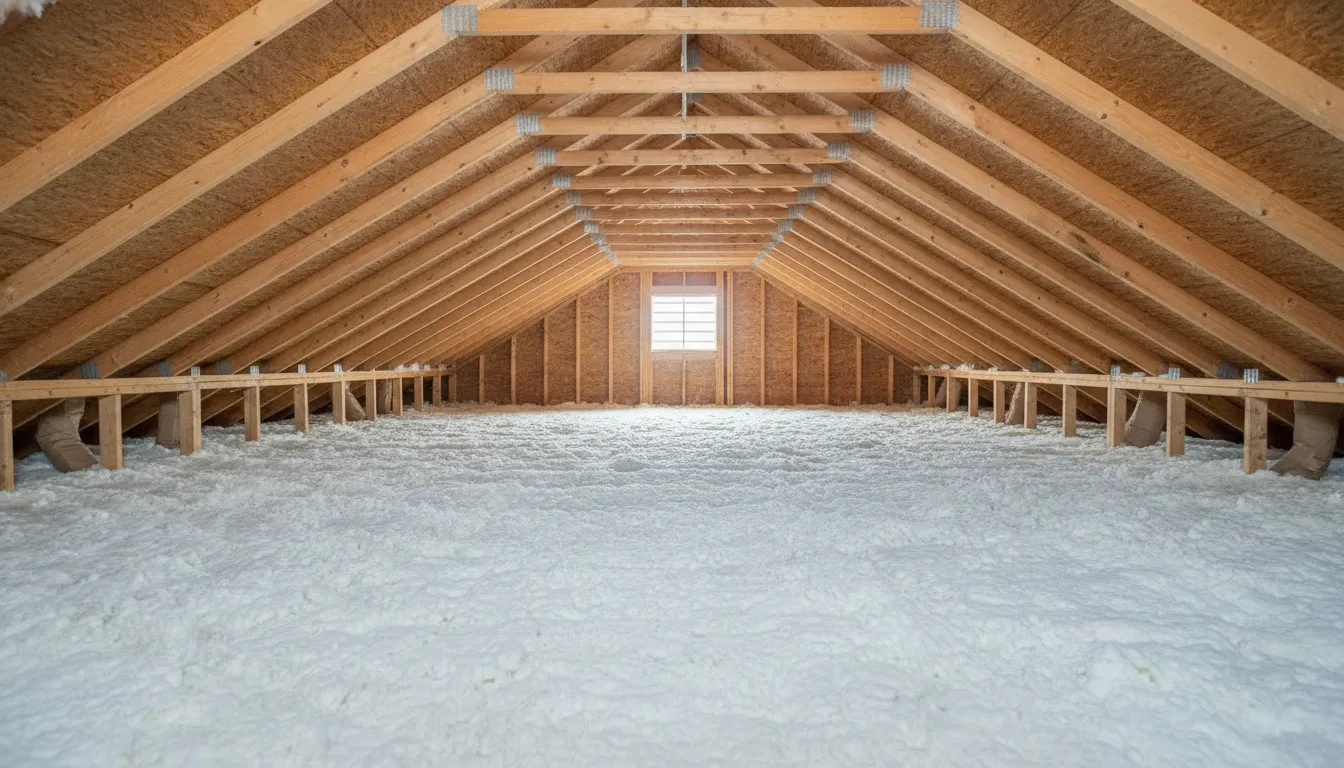
Fire, smoke, water, and cleanup methods can affect different building layers in different ways. Drywall may need replacement where it is damaged or cannot be adequately restored, while a different area may need controlled cleaning and sealing. Insulation can hold smoke residue or moisture, but the right scope depends on its type, location, condition, and the surrounding assembly. Flooring may have surface residue, subfloor moisture, heat damage, or a combination of those conditions.
Use these questions before authorizing removal:
Is the material safe to access and stable enough to remain in place?
Is the residue on the surface, absorbed into the material, or hidden in a cavity?
Was the material exposed to fire, heat, smoke, suppression water, or later cleanup water?
Can it be cleaned and dried without creating a health, odor, moisture, or performance problem?
What documentation supports the proposed repair or replacement?
For a narrower example, Rhino's guide to soot-damaged drywall replacement in Austin discusses the questions that distinguish surface cleaning from replacement. The related fire-damaged attic insulation guide covers why an attic assembly needs its own inspection rather than a one-size-fits-all cleanup decision.
Contents require the same care. Hard, washable items may be candidates for cleaning, while porous items can retain odor or residue. Do not discard everything automatically, but do not keep an item only because it looks intact. Photograph it, note its condition, and ask the appropriate claim and restoration professionals how it should be handled.
How do cleanup and insurance documentation connect?
Cleanup should reduce risk while preserving a clear before-and-after record; coordinate authorization, photos, receipts, and scope notes with the claim process before nonessential removal.
Insurance policies and claim instructions differ, so your insurer or claim representative should explain what documentation and approvals apply to your loss. A reconstruction contractor can help organize observations and translate visible conditions into a scope discussion, but a contractor does not replace your insurer, adjuster, public adjuster, or legal adviser.
Ask for written direction when possible before discarding contents, opening assemblies, or starting work that is not needed for immediate safety. Keep copies of messages and note who authorized an action. If emergency protection is necessary, prioritize safety and prevent further damage, then document the reason, the original condition, and the work performed.
The Austin fire insurance rebuild checklist can help you organize photos, claim notes, scope gaps, permits, and questions before reconstruction. It is different from this cleanup guide: the checklist focuses on the claim file, while this article focuses on ash and soot decisions before rebuild work.
Do not promise yourself that a quick cleanup will settle the claim or that an estimate will cover every hidden condition. A careful record helps surface questions early. It also gives the homeowner, insurer, and reconstruction team a shared reference when the property moves from mitigation and evaluation into repair.
What happens after ash cleanup and before reconstruction?
After initial cleanup and documentation, the next phase is evaluation, scope alignment, approvals, and a sequenced reconstruction plan rather than immediate cosmetic repair.
The handoff from cleanup to reconstruction can include several workstreams:
Phase | Typical question | Decision to document |
Safety and access | Can people enter, and which utilities or areas remain restricted? | Who cleared access and what limits apply? |
Condition evaluation | What was affected by fire, heat, smoke, water, or cleanup? | Which assemblies need testing, drying, cleaning, repair, or replacement? |
Claim and scope review | Does the proposed scope match the documented loss? | What is authorized, what is pending, and what needs clarification? |
Design and permits | What must be rebuilt, and what local requirements apply? | Which plans, selections, and approvals are needed before work? |
Reconstruction sequence | What should happen first so later trades do not undo earlier work? | How will cleanup, framing, systems, finishes, and final checks be coordinated? |
In Austin and Round Rock, a scope may also need to account for the property's location, existing construction, access, and applicable local requirements. The City of Austin's Development Services Department is the appropriate starting point for Austin permit information. Do not assume a permit is or is not required without checking the project details and the applicable authority.
Rhino Renovations' broader fire damage restoration process guide explains how the work can progress from safety and assessment toward restoration and rebuilding. The goal is not to rush from a visibly cleaner room to new finishes. The goal is to create a safe, documented, buildable scope.
What should Austin homeowners ask before hiring cleanup or reconstruction help?
Ask how the team will separate safety, documentation, cleaning, drying, repair, and reconstruction decisions, and ask what the team will not claim or perform.
A useful consultation should leave you with clearer next steps, not pressure to authorize a broad scope on the spot. Bring your photos, fire department or authority instructions, insurer correspondence, estimates, receipts, and a list of questions. Ask who will inspect the property, how conditions will be documented, and how changes will be handled if hidden damage appears.
Questions to ask include:
What conditions must be cleared before your team enters or begins work?
How will you document ash, soot, smoke, heat, water, and pre-existing conditions?
Which materials appear cleanable, and what evidence supports replacement?
How will you protect clean areas and prevent residue from spreading?
How will the cleanup scope connect to the reconstruction scope?
What information should I send to my insurer, adjuster, or other claim professional?
Which Austin or Round Rock project requirements should be checked before construction?
What is the next decision, and what remains uncertain?
You can also review Rhino Renovations' questions for choosing an insurance reconstruction contractor in Austin and its informational overview of insurance reconstruction contractors. For a direct conversation about your property, use the Rhino Renovations contact page or call the live-site number above.
Fire damage cleanup FAQ
Can I clean ash myself after a house fire?
You may be able to handle limited cleanup only after authorities say the property is safe and you have the right protection and instructions. Avoid entering unsafe areas, dry sweeping, leaf blowing, or disturbing materials that may be contaminated or unstable. Ask local authorities and qualified professionals when the condition is uncertain.
Should I take photos before cleanup?
Yes. Take wide and close photos of each affected room, surface, content, and visible moisture before moving or cleaning items. Keep the original files, label the location and date, and back them up. If immediate safety work changes the scene, document the reason and the work performed.
Does ash damage always mean drywall or insulation must be replaced?
No. Replacement depends on the material, the type and depth of contamination, exposure to heat or water, safety, odor, moisture, and whether the material can be restored appropriately. Discoloration alone is not enough to determine the scope.
When should reconstruction start?
Reconstruction should follow safe access, documentation, evaluation, a defined scope, and the approvals or decisions required for the project. Starting cosmetic work before those steps can hide conditions, spread residue, or create rework.
Does Rhino Renovations handle fire damage cleanup and reconstruction?
Rhino Renovations helps Austin and Round Rock property owners plan insurance reconstruction and remodeling work. The appropriate scope depends on the property's condition and the services needed. A free consultation can help identify the next step without assuming that every cleanup or specialist service is the same.
Comments