

Fire Damage Restoration: Austin Homeowner Guide

After a house fire, the most important decision is often what you do not do first. Do not enter unsafe areas, begin demolition, or discard damaged belongings until the fire department, your insurer, and qualified professionals have provided direction. A careful evaluation protects both your safety and your ability to document the loss.
In practical terms, fire damage restoration means assessing fire, smoke, soot, water, and structural damage, then making the property safe and repairing or rebuilding affected areas. The work may include structural repair, wall replacement, or a full rebuild, while your policy and insurance carrier determine coverage.
For Austin and Round Rock homeowners, an early on-site evaluation can clarify what needs immediate attention and what the reconstruction plan should include. Rhino Renovations offers a free, no-obligation evaluation at (512) 617-9897 or through its contact page. You can also review this guide to an Austin insurance reconstruction contractor before moving into the details of the restoration process.
What Is Fire Damage Restoration?
Fire damage restoration makes a fire-affected home safe, functional, and livable again. It involves more than removing visible soot or repainting a smoke-stained room. A careful plan considers flames, heat, smoke, soot, and firefighting water. It then coordinates repairs that return the property to a durable condition. For Austin-area homeowners, Rhino Renovations provides guidance through assessment, insurance coordination, reconstruction, and finish work.
The first priority is understanding the full scope of damage. Fire can affect structural components, walls, insulation, ceilings, flooring, cabinetry, and personal spaces in ways that are not obvious during an initial walk-through. Heat may weaken or distort materials, while smoke can travel beyond the room where the fire started. Soot may settle on surfaces throughout the home and leave persistent odors or staining. Firefighting water can create a separate set of repair needs, including damaged drywall, flooring, and other building materials.
Why fire damage is more than burned materials
Visible charring is only one part of the problem. Smoke and soot can affect rooms that appear untouched, especially when air movement carries residue through the home. Heat can damage finishes and building components without leaving a clear burn mark. Water used to control the fire may also saturate areas that were not directly exposed to flames. That is why a useful evaluation looks beyond the most dramatic damage and documents affected areas before reconstruction begins.
Restoration may include structural repair, wall replacement, insulation, drywall, texture, painting, flooring, finish carpentry, cabinetry, countertops, or tile work, depending on the property and the documented scope. The right work is determined by the condition of the home, safety concerns, and the reconstruction plan, not by a standard package or a quick visual estimate.
What homeowners should expect from the process
A professional restoration project starts with an on-site evaluation to identify damage and urgent concerns. From there, the contractor can develop a detailed plan covering the work required, cost estimates, timelines, permits, and coordination with the insurance carrier. Insurance decisions remain with the carrier, but clear documentation and communication can help homeowners understand what is being proposed.
If your property needs more than cleanup, Rhino Renovations can help connect the assessment to a broader insurance reconstruction and Austin-area restoration plan. Do not enter areas with immediate hazards or begin work that could put you at risk. Follow direction from the fire department and other qualified authorities while the property is being evaluated.
What Should You Do First After a House Fire?
After a house fire, prioritize safety before cleanup. Fire damage restoration should begin with official clearance, careful documentation, and a professional evaluation, not rushed demolition. Rhino Renovations helps Austin-area and Round Rock homeowners understand the damage, coordinate the reconstruction scope, and plan durable repairs once the property can be safely assessed.
Wait for official clearance before entering
Do not re-enter the property until the fire department or another qualified authority has determined that it is safe. A home can have hidden structural damage, unstable areas, smoke contamination, damaged electrical systems, or other hazards that are not obvious from a quick visual inspection. If you notice an immediate danger, follow the direction of emergency personnel and qualified authorities rather than attempting to investigate it yourself.
Leave demolition and cleanup to qualified professionals
Avoid pulling out walls, insulation, flooring, cabinets, or other materials on your own, even when the damage appears limited. Removing materials too early can create additional safety risks, disturb evidence of the loss, or make it harder to document the full scope for your insurer. Fire damage may extend beyond the areas that are visibly charred, including smoke-affected finishes and building components. A controlled evaluation helps separate what can be cleaned or repaired from what needs replacement or rebuilding.
Document the condition without putting yourself at risk
Once entry is authorized, photograph and record the affected areas from a safe position. Capture visible fire, smoke, and water damage, along with damaged rooms, personal property, finishes, and building systems. Keep notes about what you observe, but do not move or discard damaged items unless an authorized professional advises you to do so. Store copies of photos, videos, receipts, and related records in a secure location. This documentation can help you communicate clearly with your insurance carrier and restoration contractor, although it does not determine what your policy will cover.
Contact your insurance carrier and ask about the claim process
Notify your insurer and ask what documentation, temporary protection, inspections, and claim steps are required under your policy. Insurance coordination is important, but the carrier decides coverage and claim approval. Keep a record of claim contacts and instructions, and share relevant information with the professionals evaluating the property. Clear communication early in the process can reduce confusion as the scope of work develops.
Arrange an on-site evaluation before planning repairs
A qualified contractor can inspect the accessible areas, identify safety concerns, and help define the work needed to restore the property. Rhino Renovations begins reconstruction planning with a free on-site consultation. The resulting plan may address the repair scope, cost estimates, timelines, permits, and coordination with the insurance carrier. Depending on the condition of the home, fire damage reconstruction may involve structural repair, wall replacement, drywall, insulation, painting, flooring, finish carpentry, or a full rebuild. To discuss an evaluation for an Austin-area property, contact Rhino Renovations when the property is ready to be assessed.
What Does the Fire Damage Restoration Process Include?
Fire damage restoration begins with a careful evaluation, not a rushed repair. Rhino Renovations first helps identify safety concerns and the full scope of damage, then develops a practical plan for stabilization, removal, reconstruction, and finish work. The goal is to restore the property safely and durably while keeping the homeowner informed throughout the project.
Evaluation and scope development
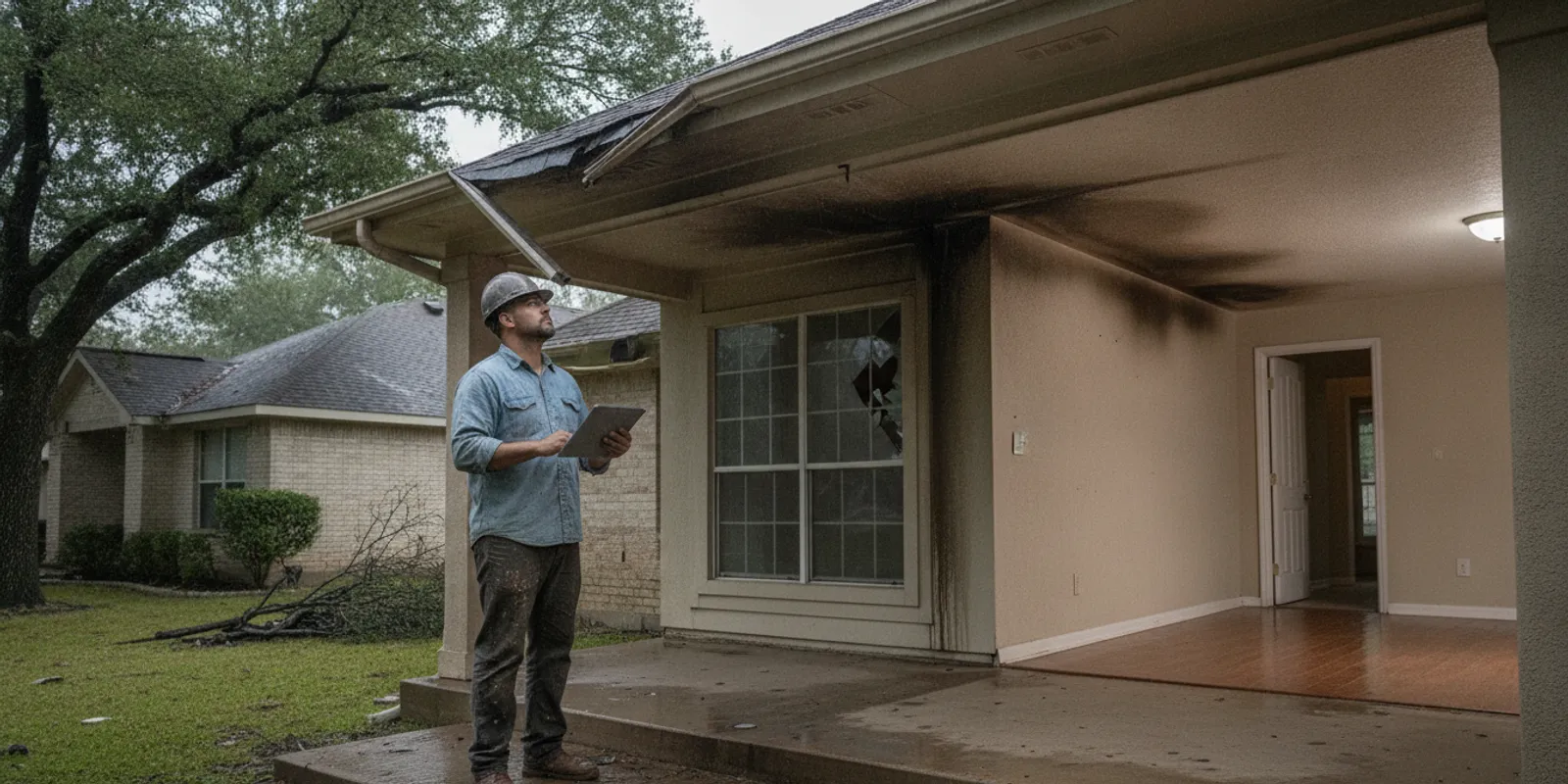
The first step is an on-site inspection of the affected property. This evaluation looks beyond the most visible fire damage. Smoke, soot, water used during firefighting, heat, and moisture can affect rooms and materials that appear relatively intact. The contractor can document observed conditions, identify urgent issues, and determine which areas require further investigation by qualified professionals.
After the initial evaluation, Rhino Renovations develops a detailed reconstruction plan. Depending on the property, that plan may address structural repairs, wall replacement, insulation, full rebuilding, permits, cost estimates, project sequencing, and coordination with the insurance carrier. This planning stage gives the homeowner a clearer understanding of the work before reconstruction begins. It does not determine whether an insurer will approve a claim or what the policy will cover. Coverage decisions remain with the insurance company and the terms of the policy.
Stabilization, smoke, and moisture concerns
Before rebuilding, the property must be made ready for the next phase. Immediate hazards should be handled by the fire department, emergency responders, or other qualified authorities. Once the site is safe to enter, the restoration plan can address damaged materials, smoke-affected surfaces, and moisture introduced during firefighting or suppression efforts.
Some materials may be removed because they are structurally compromised or cannot be restored effectively. Other areas may need cleaning, drying, or additional assessment before a repair decision is made. Working through these conditions in the right order helps prevent a new finish from covering unresolved damage. It also creates a more reliable scope for the reconstruction work that follows.
Removal, repair, and rebuilding
Once the scope is established, crews can remove materials that cannot be retained and repair the parts of the home that remain suitable for restoration. Fire damage reconstruction may include structural repair, wall replacement, insulation, drywall, painting, flooring, and finish carpentry. In a more extensive loss, the work may progress into a full rebuild.
Each phase should be coordinated with the work around it. For example, walls should not be closed until the underlying work is ready. Finish materials should be selected with the approved scope and the property's needs in mind. Rhino Renovations emphasizes safety protocols, quality workmanship, regular communication, and durable results rather than treating the project as a quick cosmetic patch.
Coordinating the trades and final walkthrough
Fire restoration often involves several trades, especially when damage affects multiple rooms or systems. A general reconstruction contractor can coordinate the sequence of structural work, wall replacement, flooring, painting. Cabinetry, countertops, tile, and other finish details so that decisions are not handled in isolation. Rhino Renovations' specialties and trade capabilities provide a useful overview of the work it supports.
Near completion, the project should be reviewed with the homeowner. A final walkthrough helps confirm that the planned repairs and finishes are complete, identifies outstanding items, and gives the property owner an opportunity to ask questions. Clear communication at this stage matters because restoration is not finished simply when the most visible damage is gone. The property should be checked against the agreed scope, with remaining corrections documented and addressed before the project is considered complete.
What Can Be Salvaged After Fire Damage?
After a fire, some contents and building materials may be recoverable, but salvage decisions should wait until the property is safe and the damage has been assessed. Rhino Renovations recommends evaluating each item based on the type and extent of damage rather than assuming everything is either ruined or reusable. Heat, smoke, soot, water, odor, contamination, and structural condition can all affect the decision.
What affected the item?
Heat can warp, melt, weaken, or otherwise change materials even when the visible damage seems limited. Smoke and soot can leave residues on walls, ceilings, furnishings, clothing, cabinetry, and other contents. The longer those residues remain, the harder it may be to determine whether cleaning is practical. Cleaning also needs to match the material. A surface that can tolerate careful cleaning may be damaged by the same approach used on another material.
Water introduces another layer of concern. Firefighting water and suppression efforts can affect flooring, drywall, insulation, wood components, and personal property. Moisture that remains in concealed areas can contribute to additional damage, so a contents or materials decision should consider the full condition, not just what is visible.
What condition is the structure in?
Odor can remain in porous materials even after surfaces appear clean. Smoke-related contamination may also affect items that were not directly touched by flames. For that reason, homeowners should avoid moving questionable contents back into the home or beginning extensive cleanup. Wait until qualified professionals have considered the area and the fire department has addressed immediate hazards.
Structural condition is a separate question from cosmetic appearance. Framing, walls, ceilings, insulation, electrical components, and other assemblies may require specialized evaluation before they can be repaired or retained. Rhino Renovations handles fire damage reconstruction that can include structural repair, wall replacement, and full rebuilds, along with drywall, insulation, flooring, painting, and finish carpentry. The appropriate scope depends on the documented condition of the property.
A careful salvage review can help separate cleanable contents, repairable materials, and items that need replacement. It can also support a more accurate reconstruction plan. For broader planning context, see Rhino's guide to the cost to rebuild a house after a fire, while remembering that actual scope and costs vary by property and damage assessment.
How Does Insurance Reconstruction Fit Into Fire Damage Restoration?
Insurance reconstruction is the part of fire damage restoration focused on planning and rebuilding the property after immediate hazards and damage have been assessed. At Rhino Renovations, that can include structural repair, wall replacement, and a full rebuild designed to return the home to a safe, durable condition. The contractor helps document the work, define the repair scope, and coordinate the project. Your insurance carrier still decides coverage, eligibility, and claim payment.
That distinction matters. A contractor can explain what the property needs and provide information for the claim, but cannot guarantee approval or determine which items your policy covers. Keep your policy documents, claim number, adjuster information, photographs, and receipts organized. If the fire department or another qualified authority has identified an immediate hazard, follow those instructions before entering or authorizing repair work.
Documentation turns damage into a workable scope
A thorough reconstruction plan connects observed damage to specific repairs. During an on-site consultation, the contractor can inspect affected areas, identify safety concerns, and note urgent issues. Documentation may include photographs, measurements, affected materials, and a written description of the work required. This gives the property owner and insurer a clearer basis for discussing the scope, while also reducing the risk that important repairs are overlooked.
The scope should separate work caused by the fire from elective upgrades. For example, replacing damaged drywall, insulation, flooring, paint, or finish carpentry may be part of restoring the affected area. A homeowner may also want a different finish or layout, but that change should be identified separately so expectations remain clear.
Estimates, permits, and timelines need coordination
Once the scope is understood, the reconstruction plan can address cost estimates, expected project stages, required permits, and coordination with the insurance carrier. Permit needs depend on the work and local requirements, so the contractor should identify them as the plan develops rather than treating them as an afterthought. Timelines can also change when hidden damage is discovered, approvals take time, materials are unavailable, or inspections are required. A realistic plan explains these dependencies instead of promising a fixed completion date before the work is fully assessed.
Clear communication should continue throughout the project. Ask who will provide updates, how scope changes will be documented, and when decisions are needed from you, the contractor, or the insurer. For a deeper explanation of the contractor's role, review insurance reconstruction contractors in Austin.
How Do You Choose a Fire Damage Restoration Contractor?
Choose a fire damage restoration contractor who can explain what is safe, what needs to be documented, and how the work will be completed before repairs begin. Rhino Renovations starts with an on-site evaluation, then develops a written reconstruction plan that can address damage scope, estimates, permits, trade coordination, and communication with your insurance carrier. That process gives you a clearer basis for decisions than choosing a contractor based only on the first promised start date.
Before signing, ask how the contractor will handle the following areas.
Area | What the contractor should explain | Why it matters |
Safety assessment | How the team will identify structural concerns, smoke and soot damage, and water damage from firefighting. Ask which areas should remain closed until authorities provide clearance. | Fire-damaged properties can contain hazards that are not obvious from a visual walk-through. Immediate dangers should be referred to the fire department or other qualified authorities. |
Written scope | Which rooms, materials, systems, and reconstruction tasks are included, along with assumptions, exclusions, estimates, and changes that require your approval. | A detailed scope helps prevent misunderstandings when hidden damage appears or the work expands beyond the first inspection. |
Insurance coordination | How the contractor will organize documentation, communicate about the reconstruction scope, and help you understand questions for your carrier without promising coverage or claim approval. | Your insurer makes coverage decisions. Clear records and defined responsibilities can make conversations with the carrier easier to manage. |
Permits and code requirements | Which permits may be needed, who will coordinate them, and how required inspections will be handled before covered work is closed up. | Permits and inspections help keep structural and major repair work aligned with applicable requirements. |
Trade coordination | Who will manage structural repairs, wall replacement, drywall, insulation, painting, flooring, finish carpentry, and other specialists involved in the rebuild. | One organized point of contact can reduce gaps between trades and help keep the finished home consistent. |
Communication | How often you will receive updates, who answers questions, how decisions are documented, and how unexpected conditions will be presented. | Regular, plain-language communication helps you make informed choices during a stressful project. |
Local fit | Whether the contractor regularly works with Austin-area properties, understands local permitting expectations, and can show relevant reconstruction capabilities. | A local team may be better positioned to coordinate site visits, trades, and project details in Austin and Round Rock. |
Look for a contractor whose plan reflects the actual property rather than a generic package. Rhino Renovations is based in Round Rock and supports fire damage reconstruction that can include structural repair, wall replacement, and full rebuilds, along with related interior trades. You can review its reconstruction and trade specialties and ask which parts apply to your home. If you need a starting point, request a free on-site evaluation so the damage, safety concerns, and next steps can be discussed before a reconstruction plan is prepared.
Frequently Asked Questions About Fire Damage Restoration
What should I do first after a fire?
Put safety first. Follow instructions from the fire department or other qualified authorities, and do not enter areas that may be unsafe. Once immediate hazards are addressed, arrange an on-site inspection to identify damage and urgent concerns before planning repairs.
Does fire damage restoration include rebuilding?
It can. The work may range from structural repair and wall replacement to a full rebuild, depending on the home's condition. A detailed plan should define the scope, cost estimates, timeline, permits, and coordination needed with your insurance carrier.
How does insurance fit into the restoration process?
A contractor can help document damage, develop a reconstruction scope, and communicate project details during the insurance process. The insurance carrier still makes its own coverage and claim decisions, so no contractor can guarantee approval or a particular outcome.
How do I choose a fire damage restoration contractor?
Look for a contractor who explains the scope clearly, addresses safety concerns, communicates regularly, and can coordinate the trades your home needs. Ask how the plan will cover structural repairs and finish work such as drywall, painting, flooring, and finish carpentry.
Ready to Schedule Your Fire Damage Evaluation?
A careful on-site evaluation can help clarify the visible damage, the next repair steps, and the questions to discuss with your insurance carrier. Rhino Renovations can help homeowners in Austin and Round Rock understand the property's restoration needs without pressure.
Comments