

Water Restoration Company Process in Austin

Water damage rarely stays confined to the spot where you first notice it. Moisture can move into walls, flooring, contents, and structural materials, so the right response is a coordinated process rather than a quick cosmetic repair.
A water restoration company typically evaluates the damage and safety risks, identifies the water source, removes standing water, dries affected materials, documents the scope, and coordinates repairs through final build-back. The sequence matters because materials can deteriorate while they remain wet.
For Austin and Round Rock property owners, Rhino Renovations starts with a free consultation and on-site evaluation. The team can then develop a reconstruction plan covering timelines, permits, and insurance documentation support. Learn more about the role of an insurance reconstruction contractor as you consider your next step.
Before repairs begin, a careful provider needs to understand what happened, what remains wet, and which safety concerns could affect the work. That initial evaluation sets the direction for everything that follows.
What Does a Water Restoration Company Do First?
First, a water restoration company listens to what happened, evaluates the property in person, identifies the water source, and checks for safety concerns before recommending the next steps. That first assessment establishes what needs attention now, what can wait, and how the work should be documented.
What Happens During the First Contact?
The process usually begins with a conversation about the event and the affected areas. You may be asked when the water entered and whether the source is still active. The team may also ask which rooms or materials are involved and whether anyone has noticed electrical, structural, or contamination concerns.
For Austin and Round Rock property owners, Rhino Renovations starts its insurance reconstruction workflow with a free consultation and an on-site damage evaluation. The consultation is designed to assess scope, safety concerns, and urgent issues rather than jump straight to a repair recommendation. If the loss involves sewage, floodwater, or another potentially contaminated source, professional guidance is especially important. Massachusetts building guidance identifies these situations as highly contaminated black water and recommends contacting a professional restoration contractor promptly for guidance.
How Does the Initial Assessment Define the Scope?
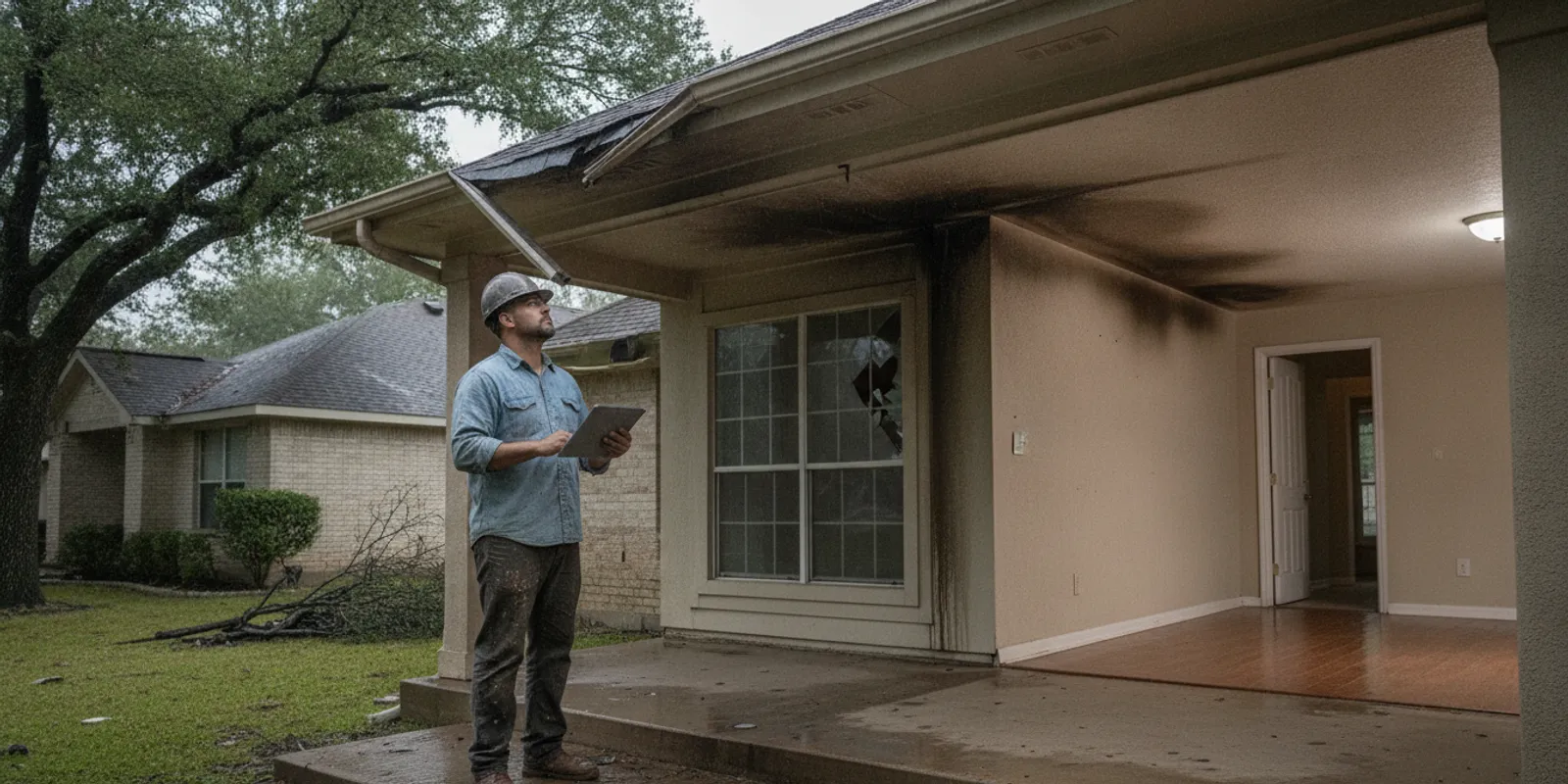
During the on-site evaluation, the team looks beyond the most visible damage. It identifies the source of the water, considers how long materials and contents have remained wet, and notes conditions that could affect safe cleanup. Water damage can become more severe the longer building components and belongings stay wet, so source control and sequencing matter. The assessment may also identify areas that require further inspection before materials are removed or repaired.
Documentation is part of this stage, not an afterthought. A clear record of affected rooms, observed conditions, safety issues, and recommended work supports a detailed reconstruction plan. Rhino's plan can address estimates, timelines, permits, and insurance documentation support, without making assumptions about what a policy will cover. For a closer look at how assessment and documentation fit into the larger process, see our guide to the insurance reconstruction contractor.
The goal of the first visit is a defensible plan. Once the scope and risks are understood, the next stages can be sequenced around safe water removal, drying, cleaning, and restoration.
How Does the Assessment and Water Removal Process Work?
A water restoration company starts by understanding what happened, making the area safe, controlling the source, and mapping where moisture has traveled. Water is then removed in a controlled way, affected belongings are addressed, and the property is prepared for thorough drying and restoration.
Assessment comes before extraction
The first visit should be more than a quick look at the visible damage. The restoration team evaluates the affected rooms, building materials, contents, safety concerns, and likely path of the water. Moisture detection helps identify damp areas that may not be obvious from the surface, including moisture behind walls or beneath flooring. The team also documents conditions so the scope can be discussed clearly with you and, when applicable, your insurance representatives.
Source control is part of this stage. Massachusetts guidance recommends identifying the water source before remediation. That may mean addressing a plumbing failure, separating affected areas, or confirming whether the water came from a clean supply, wastewater, or flooding. Sewage and rising floodwater are examples of highly contaminated black water, which calls for professional guidance rather than casual cleanup. The longer materials and contents remain wet, the more serious the damage can become.
Removal follows a deliberate sequence
- Inspect and classify the loss.
The team records affected areas, checks moisture, considers contamination, and identifies materials or belongings that need special handling.
- Control the source and protect the property.
Further water entry is addressed where possible. If weather has damaged the building, temporary barriers may be needed before cleanup to prevent additional intrusion.
Extract standing water carefully.
Pumps and professional extraction equipment remove water, but speed is not the only consideration.
warns that removing several feet of standing water too quickly can cause walls and floors to crack or collapse.
- Handle contents thoughtfully.
Furniture and belongings may be moved, separated, cleaned, or documented based on their condition and the type of water involved. This protects access for drying while keeping decisions organized.
Prepare for drying and restoration.
Water removal is only the beginning. Materials must be dried fully before replacement or refinishing, and the next steps should follow the documented scope. Review the
water damage restoration timeline
for a closer look at how drying and rebuilding affect the schedule.
This order matters because extraction, drying, cleaning, and repairs solve different problems. Skipping assessment can leave hidden moisture untreated; extracting without considering water depth or contamination can create additional risks. A careful process gives the property a safer path from mitigation through complete restoration.
Why Is Drying More Important Than It Looks?
Complete drying matters because water can remain inside walls, floors, and other materials after the visible puddles are gone. A careful water restoration company verifies that affected areas are dry before damaged walls or flooring are refinished or replaced. This follows EPA guidance and helps reduce the risk of future mold growth and protects materials from losing structural integrity.
What happens when moisture stays hidden?
Water can travel beyond the area you can see. It may remain behind drywall, beneath flooring, or inside other building components. The longer materials and contents stay wet, the more severe the damage can become. That is why drying is not simply a matter of running equipment until a surface feels dry. The affected areas need to be evaluated and checked as part of the restoration sequence.
Removal also needs to be thoughtful. When standing water is several feet deep, taking it out too quickly can contribute to cracking or collapse of walls and floors. The safest approach depends on the source, depth, affected materials, and condition of the property. For sewage, rising floodwater, or other highly contaminated water, professional guidance is especially important.
How do weather and occupant safety fit in?
Drying cannot stay effective if more water continues entering the property. Temporary barriers for roofs, windows, or doors should be secured before cleanup when weather exposure is a concern. This helps prevent additional rain or other weather intrusion during the work.
CDC guidance notes that mold cleanup can create health and injury risks. People with allergies, immune suppression, or underlying lung disease may face greater risk and should not take part in mold cleanup. Anyone handling mold should use at least a NIOSH-approved N95 respirator and protective gloves, rather than touching moldy materials with bare hands. Never mix bleach with ammonia or another cleanser. When the situation involves significant contamination or uncertain building conditions, keep occupants away from the affected area and seek professional direction.
Drying, safety checks, and verification should come before cosmetic repairs. That order supports a more durable restoration instead of covering a moisture problem that has not been resolved.
How Are Cleaning, Material Removal, and Repairs Handled?
Cleaning, contents handling, selective material removal, and repairs are coordinated in sequence so the affected space can move from mitigation into safe, durable build-back. The exact scope depends on what was affected and what can be cleaned, dried, and preserved. A careful provider avoids removing materials simply because they are nearby, while also addressing components that cannot be restored reliably.
What happens to contents and affected materials?
Once water has been removed and the affected areas have been evaluated, the team can sort through contents and materials. Belongings may need to be moved out of the work area so crews can clean around them, assess their condition, and protect them from additional damage. This step also helps separate items that can remain from materials that require removal.
Selective removal may include damaged portions of drywall, flooring, or other building materials. The goal is to open only the areas needed for proper cleaning, inspection, and restoration. That approach keeps the work connected to the actual damage rather than turning mitigation into unnecessary demolition. Cleaning and disinfecting affected areas are common parts of the restoration process, particularly where contamination or residue needs to be addressed before repairs begin.
How does cleaning lead into build-back?
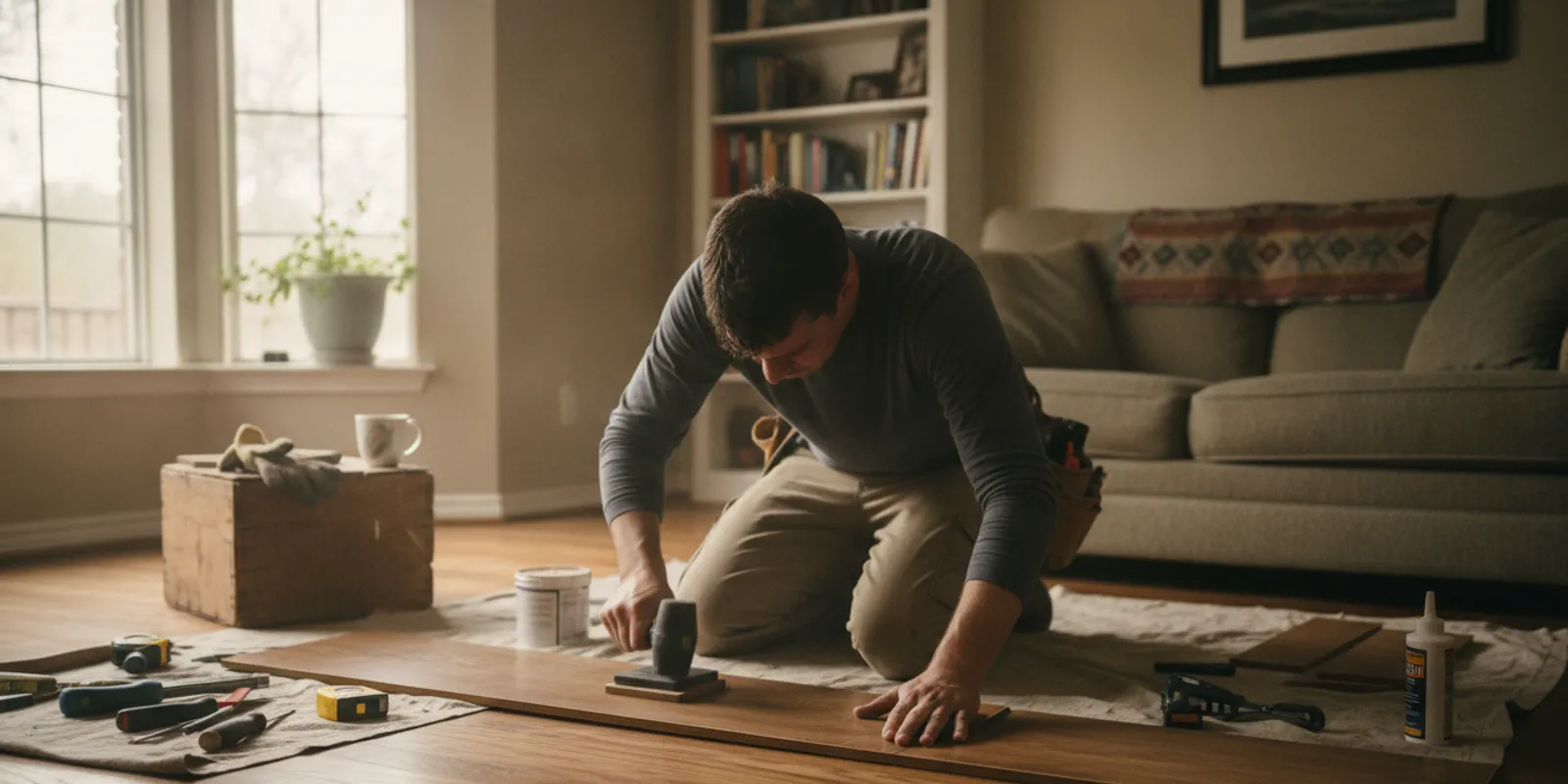
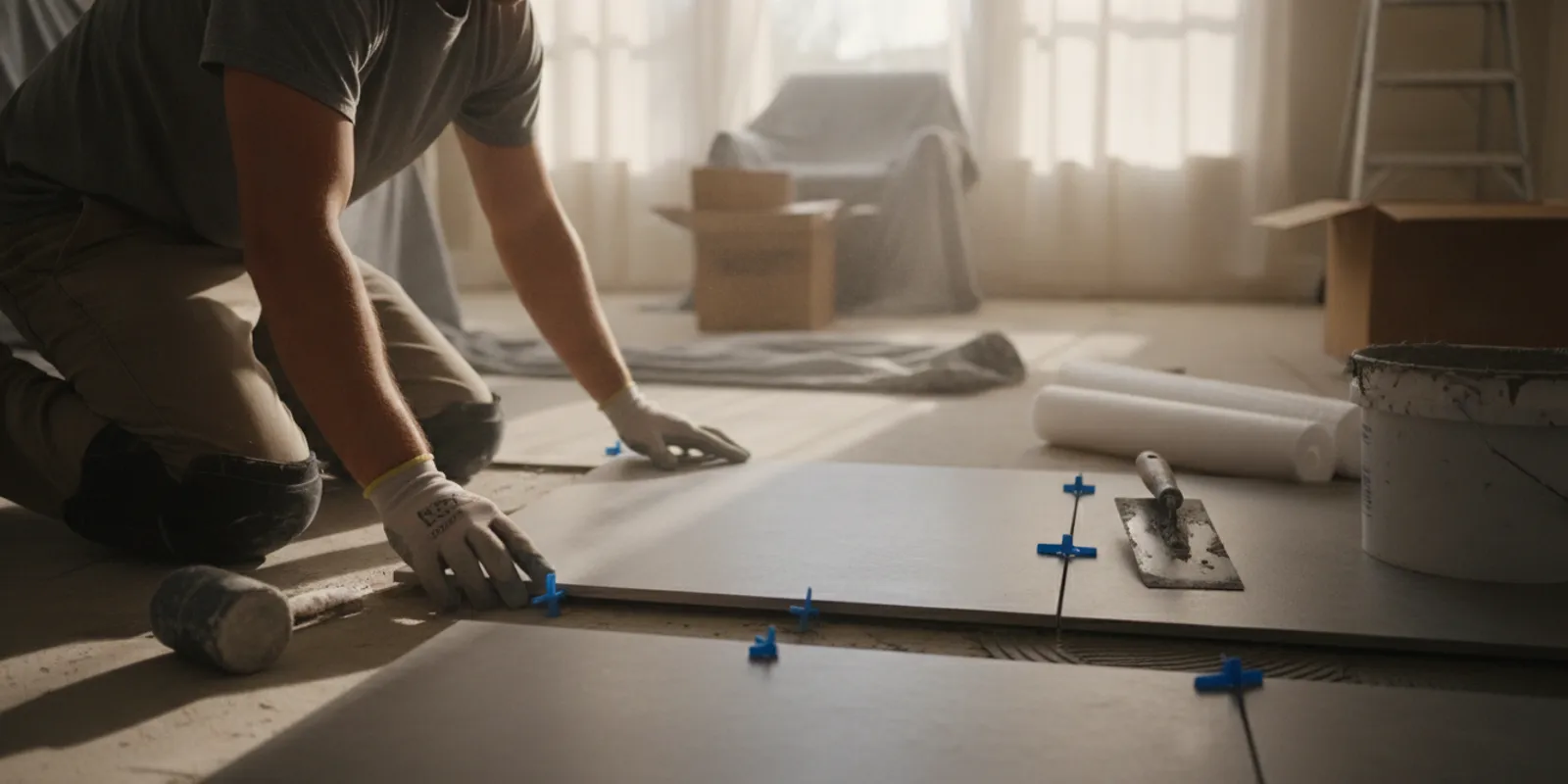
After cleaning and removal are complete, repairs can address the structure and finishes that were affected. Rhino Renovations handles water damage restoration from initial mitigation through complete restoration, including drywall, painting, and flooring work. The repair stage may also involve restoring walls, floors, or ceilings so the space functions and looks consistent again.
Build-back is more than replacing one visible surface. It connects the approved repair scope with the finished room, while keeping communication, quality, and safety in view. For a closer look at this phase, see how home restoration and build-back brings affected spaces back into use.
How Does Insurance Coordination Fit Into Restoration?
Insurance coordination supports the restoration process, but it does not determine what your policy covers or guarantee claim approval. A restoration team can document the damage, develop a repair plan, and communicate with your adjuster while you remain responsible for reviewing your policy and coverage decisions.
What gets organized for the claim?
The process typically begins with a careful evaluation of the affected areas, safety concerns, and the work needed to restore the property. From there, the contractor can prepare an estimate and outline the expected sequence of work. A detailed reconstruction plan may also address timelines, permits, and insurance documentation support.
That documentation should connect the observed damage to the proposed work. It may include photos, notes about affected materials, the repair scope, and updates as conditions become clearer. This gives you and the adjuster a shared record to review without asking the contractor to make a coverage decision. For background on policy terms and exclusions, see this guide to water damage insurance coverage.
Why does one point of contact matter?
Water damage restoration can involve mitigation, drying, material removal, repairs, and final build-back. When those stages are coordinated through one team, questions about the estimate, schedule, permits, and documentation have a clear place to go. Regular communication also helps identify changes in scope before the next phase begins.
That does not mean every repair is automatically covered. Your policy, the cause of the damage, and the adjuster's review all matter. A contractor can explain the proposed work and help organize claim information, while you and your insurer make decisions about coverage. Rhino Renovations connects insurance reconstruction with full-property restoration, including drywall, painting, and flooring, for Austin and Round Rock property owners. Learn more about the role of an insurance reconstruction contractor before choosing who will coordinate the work.
What Should Austin Homeowners Look for in a Water Restoration Company?
Look for a water restoration company that can explain the full path from evaluation and documentation through drying, repairs, and final build-back. A clear process helps you understand what happens next, who handles each handoff. And how the work will be documented for your property and, when applicable, your insurance claim.
Ask how the company evaluates and documents the work
Start by asking whether the provider will complete an on-site evaluation and explain the scope, safety concerns, and urgent issues in plain language. The assessment should identify what needs attention, what information will be documented, and which steps come first. Ask how the company will communicate findings, changes, timelines, estimates, permits, and insurance documentation support.
It is also reasonable to ask how the company approaches drying and verification before damaged materials are repaired. A thoughtful provider should be able to describe its process without rushing you into a broad repair scope. For larger losses or heavily contaminated water, ask what professional guidance and safety controls are needed before work proceeds.
Confirm who handles repairs and build-back
Water damage rarely ends when the visible water is gone. Ask whether the same company can coordinate the transition from mitigation into complete restoration, including affected drywall, painting, and flooring when those repairs are appropriate. Clear responsibility matters because gaps between separate vendors can create confusion over scope, scheduling, and quality.
Question | What to look for | Why it matters |
How is the damage assessed? | On-site evaluation, moisture checks, and clear documentation | Helps define the real scope before repairs |
Who coordinates the work? | One accountable contact through mitigation and build-back | Reduces gaps between stages and vendors |
What happens next? | Plain-language steps for drying, repairs, updates, and walkthrough | Gives you a realistic plan and decision points |
For Austin and Round Rock property owners, local familiarity is useful. It should be paired with practical accountability: regular communication, careful work, safety, and a plan for the whole affected property. Rhino Renovations serves Austin-area homeowners and businesses from Round Rock and handles work from initial mitigation through restoration. You can review its reconstruction and trade services to see how those capabilities fit your project.
Before choosing, ask who your main contact will be, how updates will be shared, what remains outside the proposed scope, and how the final walkthrough will be handled. The best fit is a provider that gives you a realistic plan and stays accountable through the last repair.
What Happens During the Final Walkthrough and Build-Back?
After cleaning, drying, and repairs are complete, the final walkthrough confirms that the agreed restoration scope has been addressed, identifies any punch items, and clarifies what happens next. This is the point where careful communication matters. You should understand what was completed, what still needs attention, and which documents belong with the project record.
Reviewing the finished restoration work
A walkthrough gives you and the project team an opportunity to look at the affected areas together. The review may include repaired drywall, paint, flooring, trim, and other work included in the reconstruction plan. If you notice a missed detail or finish that needs correction, write it down as a punch item. That makes it easier to assign and track.
The project record should also be brought up to date. Depending on the scope, that may include completion notes, photographs, estimates, timelines, permit information, and insurance documentation support. Rhino emphasizes regular communication, quality, safety, and efficiency, with work carried through from initial mitigation to complete restoration. Its crews handle drywall, painting, and flooring as part of that broader build-back scope.
Separating restoration from future remodeling
Water damage can make you notice other improvements you would like to make, but those ideas should be discussed after the restoration scope is clear. First confirm which areas require repair because of the loss, what is included in the reconstruction plan, and what documentation is needed for the claim. Then you can consider elective remodeling as a separate conversation, with its own priorities and decisions.
For more detail on the repair and rebuilding phase, see Rhino's guide to home restoration and build-back. Keeping the restoration scope and optional improvements distinct helps everyone work from the same plan and gives you a clearer understanding of the finished result.
Frequently Asked Questions
When should I contact a water restoration company?
Contact a qualified provider as soon as you can safely do so after significant water damage. Early evaluation helps identify the source, safety concerns, affected materials, and the right order for drying and repairs. Sewage, floodwater, and larger floods require professional guidance.
What happens during the first restoration appointment?
The first appointment usually includes an on-site evaluation of damage, moisture, safety concerns, and urgent issues. The provider should explain the scope, document conditions, and outline the next steps.
Does water restoration include rebuilding the damaged areas?
It can. A full-service restoration scope may continue from initial mitigation through repairs and build-back, including drywall, painting, and flooring. Ask whether one team can coordinate those stages.
How does insurance coordination fit into the process?
Restoration work and coverage decisions are separate, but good documentation helps organize the claim. A plan may address estimates, timelines, permits, and insurance documentation support. Your policy and insurer determine coverage.
How do I choose the right company for my property?
Look for a clear process, careful safety evaluation, regular communication, qualified crews, and experience coordinating complete restoration. Ask who manages the project, how drying is verified, and how changes are documented.
Ready to Schedule Your Water Restoration Consultation?
If you want a clearer path from water damage assessment through repairs and insurance reconstruction, Rhino Renovations can help you understand the next steps for your property.
Comments