

When Does Painting Contractors Make Sense?

Choosing among painting contractors is easier when you know what the job actually includes. A fresh coat can be a simple room update, but peeling paint, damaged drywall, moisture marks, or a larger renovation can change the work behind the finish. For Austin-area homeowners, the useful question is not only who can paint, but who can explain the preparation, scope, and next steps clearly.
What should painting contractors help you decide first?
Before comparing contractors, define the surfaces, rooms, condition, and finish you want addressed. A clear scope lets you compare proposals on the same basis and spot work that might be missing.
Walk through the space and make a practical list. Note which walls, ceilings, doors, trim, or other surfaces are included. Identify visible issues such as nail holes, cracks, flaking paint, stains, or soft and damaged areas. Take photos in daylight, and mark any areas that need a closer look. You do not need to diagnose the cause yourself; just make the condition easy to discuss.
Then separate must-haves from preferences. You might need the whole room painted, or only a few walls and the trim. Color, sheen, and how the room is used can affect the finish choice. A busy hallway, a quiet bedroom, and a bathroom do not have identical demands. Ask the contractor to explain any product or finish recommendation in plain language and confirm it in writing.
Finally, decide what a finished job means to you. Does the scope include moving or covering furnishings? Are hardware, doors, and trim included? Will the crew patch small surface defects, or are larger repairs treated separately? A written list prevents a difference in assumptions from turning into a surprise once work starts.
A quick room-by-room inventory helps. For example, write “living room: walls and ceiling, leave built-in shelves untouched; hallway: walls and trim; bedroom: walls only.” Note whether a closet interior, window trim, or the side of a door facing another room is included. These small boundaries can affect how much surface is being addressed and whether a proposal matches your expectations.
Think about how the space is used, too. In a child’s room or a frequently used corridor, cleanability may matter more than in a low-traffic guest room. In a room with strong daylight, surface flaws or uneven sheen may be easier to notice. You do not have to select a specific product before the first conversation. Bring the practical needs and ask the contractor to explain the tradeoffs between available finishes.
How do you compare the condition and preparation plan?
Compare painting contractors by how they inspect and prepare the surfaces, not just by the color coat they propose. Paint can only look as even as the surface beneath it, so ask what the crew will do before opening a can.
A useful walkthrough should distinguish routine preparation from repairs that need further investigation. For example, a small nail hole may be handled as part of ordinary prep, while a broad crack, bubbling paint, recurring stain, or damaged drywall could require a different repair plan. Ask what is included, what is excluded, and how the contractor will tell you if conditions change after the work begins.
Preparation can include protecting floors and furnishings, cleaning or sanding where appropriate, filling minor defects, addressing loose paint, and using primer when the surface or product calls for it. The exact steps depend on the existing finish and the condition of the room. Look for a plan that names the surfaces and steps rather than promising a flawless result without describing the work.
Ask how the contractor will handle transitions between surfaces. If only one wall is being painted, for instance, clarify where the paint line will stop and how corners, trim, and adjoining surfaces will be protected. If the walls have a textured finish, ask whether the proposed patching approach is intended to blend with the existing texture or whether a visible difference may remain. The goal is not to demand a guarantee about every old surface; it is to understand what the crew expects to address and what result the plan is designed to produce.
It is also useful to discuss what happens when preparation reveals a new condition. A crew might uncover loose material, a larger damaged area, or a stain that returns after cleaning. Ask whether work pauses in that area, who explains the issue, and how any added repair is approved before it proceeds. A simple change process protects both sides from assumptions: identify the condition, explain the options, document the revised scope, and confirm the next step.
If a stain or peeling area may be related to a leak or other moisture problem, painting over it does not explain or resolve the underlying issue. Ask whether the affected material needs repair or further evaluation before finishing. Rhino Renovations handles drywall and other home repair specialties as part of broader repair and remodeling work, so a consultation can help clarify whether the painting is a standalone update or one part of a larger scope.
For older homes or surfaces with layers of older paint, ask how the contractor will handle dust and surface preparation safely. The U.S. Environmental Protection Agency is a starting point for federal information about lead and renovation; homeowners can visit EPA.gov for official resources. Do not assume a surface is safe or hazardous based only on its appearance. Discuss concerns before sanding, scraping, or disturbing old coatings.
During the walkthrough, point out prior repairs or paint layers if you know about them. A repaired patch can absorb paint differently from the surrounding wall, and a change in color or sheen may make it more noticeable. Ask whether the proposal anticipates spot priming, a broader primer coat, or painting a larger continuous surface for a more consistent appearance. The right approach depends on the existing conditions and should be described for your specific room.
What belongs in a painting proposal?
A useful proposal names the work, the surfaces, the preparation, the products or product-selection process, and the expectations for access and cleanup. If two proposals use different assumptions, a lower total does not mean the same work for less.
Ask each contractor to describe the project in a way you can check. You should be able to tell which rooms and surfaces are included, what preparation is planned, whether primer is included when needed, and how many finish coats are specified or determined. The proposal should also identify exclusions, such as major drywall repairs or moving heavy furniture, rather than leaving you to guess.
Proposal item | What to compare | Question to ask |
Scope | Rooms, surfaces, trim, doors, ceilings, and exclusions | Can we walk through each included surface together? |
Preparation | Protection, cleaning, sanding, patching, and primer assumptions | Which repairs are included, and what would be discussed separately? |
Materials and finish | Product selection, sheen, and how choices are documented | How will we choose a finish for how this room is used? |
Schedule and access | Expected sequence, homeowner responsibilities, and workday communication | What could affect the sequence, and how will changes be shared? |
Closeout | Cleanup, walkthrough, and how touch-ups or open items are handled | What happens if we identify an item during the final walkthrough? |
Use this comparison to request clarification before you choose. One contractor may include minor patching while another lists it as an extra; one may include trim while another prices only walls. Ask for revisions when the proposal does not match your intended scope. Keep changes in writing so everyone is working from the same understanding.
Do not rely on a verbal promise to settle a major detail later. Confirm the work areas, preparation, product decisions, access plan, and cleanup in the written proposal or an agreed project document. If a contractor cannot explain an item clearly, pause and ask again. Straight answers now make it easier to judge what the proposal actually covers.
When reviewing materials, focus on clarity rather than assuming there is one best paint for every room. The proposal can identify a product, describe a selection process, or state when the final choice will be confirmed. Record the color name and code, sheen, and product line once you decide. Keep a note or photo of the label after purchase or delivery; it can help with future touch-ups and reduces confusion if more than one color is being used.
Make sure you understand how the work area will be protected and returned to use. Ask what the homeowner should move before the crew arrives, what the crew plans to cover, and whether doors or windows need to remain accessible. Clarify how tools and materials will be stored between workdays and what cleanup is expected at the end. These details are especially useful when the room is part of daily family life.
For a fair comparison, create a simple side-by-side checklist after receiving proposals. Mark each item as included, excluded, unclear, or not applicable. If one proposal says “prepare walls” without listing steps, ask what that phrase means for the visible defects you identified. If another includes more surfaces than you requested, ask for a version that matches the same scope. Clarifying differences is more useful than trying to infer the reason for every difference from the total alone.
When is painting part of drywall repair or a remodel?
Painting belongs in a larger repair or remodel when the surface needs work first or the project changes the room around it. Coordinating those steps can help the finish follow the repair instead of hiding an unresolved condition.
After drywall work, the repaired section may need finishing and paint that blends with the surrounding area. The extent of the work depends on the damage, texture, existing paint, and what the homeowner wants to achieve. Ask how the repaired area will be prepared and whether the proposal covers only the patch or the surrounding wall as well. A small repair and a full-room repaint are not the same scope.
During a bathroom remodel, painting may be one element among tile, fixtures, drywall, and finishing details. Work needs to be sequenced so one trade does not damage a completed surface while another task is still underway. If you are planning a broader update, review Rhino Renovations’ bathroom remodeling information and home renovation planning guide as you define the larger project.
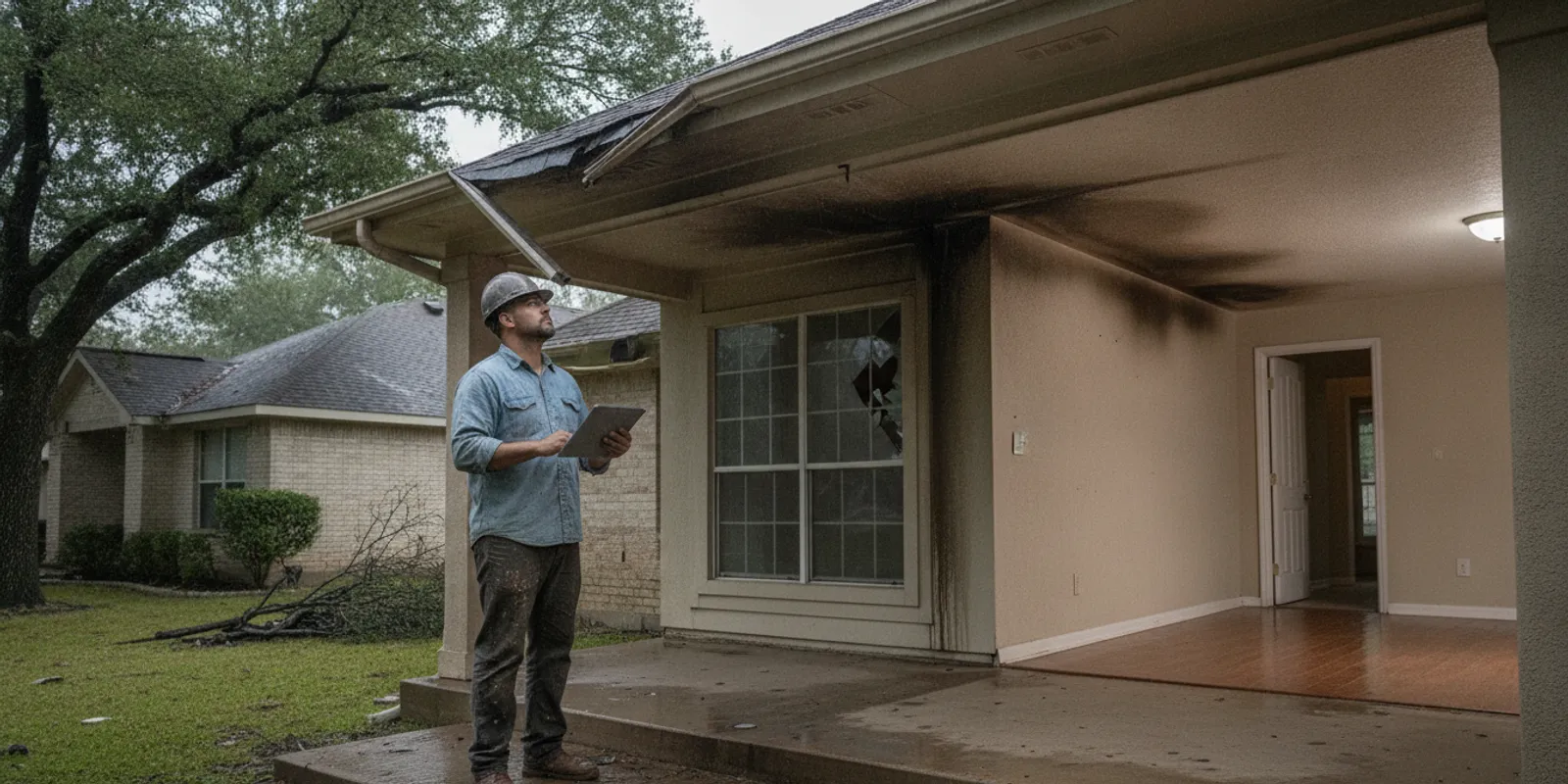
Painting can also follow water or fire damage repairs, but the visible stain is not always the whole problem. Before choosing a finish, clarify whether damaged materials have been evaluated and whether the proposed work includes repair or only repainting. For property owners comparing restoration and remodeling needs, Rhino Renovations explains its insurance reconstruction contractor process. That is a different pathway from a routine room repaint, but it may be relevant when the paint work follows a covered property loss.
As you plan the work, check requirements that apply to your specific project and location rather than assuming a permit is or is not needed. The City of Austin’s Development Services Department provides local development and permit information. For a project outside Austin city limits, confirm the applicable authority for that address.
Sequencing matters even for a smaller update. If drywall repair, trim work, or fixture changes are planned, ask which tasks happen first and who is responsible for protecting finished surfaces. A useful plan might identify an inspection or repair phase, a preparation phase, painting, and a final walkthrough. The sequence can change when concealed conditions are found, so ask how changes will be communicated instead of expecting a fixed calendar before the scope is understood.
Decide whether you want the repair and finish handled as one coordinated scope or as separate work. Either approach can be reasonable, but responsibilities should be clear. If separate contractors are involved, confirm who prepares the repaired surface for paint, who checks that it is ready, and who addresses any mismatch in texture or finish. If one project team is coordinating both tasks, ask how the proposal divides the repair and painting work so you can see what is included at each stage.
How can you check a contractor’s communication and work plan?
Before hiring, make sure you know who will communicate with you, how decisions will be recorded, and what happens if the scope needs to change. A practical work plan is more useful than a broad promise about speed or quality.
Ask who your main point of contact will be and how you should raise a question during the project. Confirm how the contractor will discuss schedule changes, additional repairs, or a product substitution. Ask what decisions you need to make before work begins, such as selecting a color or confirming which belongings must be moved. Clear responsibilities help avoid preventable delays.
Discuss access, pets, ventilation, protection of the home, and how the work area will be left at the end of the day. The details vary by project, so the goal is not to demand one fixed routine. It is to understand what the crew expects from you and what you can expect from the crew. If a room will be unavailable while work is underway, ask how that will be communicated.
It can also help to review examples of completed work. Rhino Renovations has a projects page where homeowners can look at examples of its work. Ask a prospective contractor to show examples that are relevant to your type of surface or project, and discuss what those examples do and do not demonstrate. Photos are useful context, but they do not replace a written scope for your own home.
If your painting is part of a more extensive home project, consider how painting fits the full sequence. Rhino Renovations provides an overview of its remodeling approach and its interior painting guide. These are starting points for questions, not substitutes for a project-specific walkthrough.
Before the first workday, agree on how decisions are approved. For instance, if the crew finds damage beyond the original list, ask for a clear description of the issue and the proposed next step before the work expands. Keep the written proposal, any approved change, and color selections in one place. That record helps you revisit what was agreed if a question comes up later.
Ask how progress will be shared without assuming that you need a long daily report. A brief update can confirm which room is being worked on, whether a decision is needed, and whether the next planned step remains on track. You can also ask what the contractor needs from you before a workday, such as access to a room or a final color selection. The right level of contact depends on the size and duration of the project, but both sides should know how to reach one another.
Check references and examples with specific questions in mind. Ask whether the example involved similar surfaces, repairs, or occupied rooms. A photograph may show the finished color but not the preparation, schedule, or communication process behind it. Treat examples as one useful piece of context alongside the proposal and walkthrough, not as a substitute for discussing your own project.
What should you bring to a painting consultation?
Bring photos, a room-by-room list, your priorities, and questions about preparation and scope. A focused consultation gives the contractor a better chance to understand what you want and explain the next steps accurately.
Photos of each room and any damaged, peeling, stained, or cracked areas.
A list of the walls, ceilings, trim, doors, or other surfaces you want included.
Any color ideas, existing paint details, or finish preferences you have already chosen.
Notes about access, furniture, pets, or timing constraints that may affect the work.
Questions about repairs, preparation, products, cleanup, and how changes are approved.
Information about recent leaks, repairs, or other conditions that may matter to the surface.
It is fine not to have every detail decided. Tell the contractor what is important to you and where you need guidance. If you are comparing several painting contractors, ask each one the same core questions and use the same room list. That makes differences easier to see and reduces the chance that one proposal is being compared with a different project.
For a job that may extend beyond painting, talk through the related work before selecting a contractor. Rhino Renovations’ specialties overview describes its broader repair and remodeling services. You can also use the contact page to ask whether a consultation is the right next step for your project.
For a more useful first conversation, prioritize your questions. Start with the biggest concern: for example, a recurring stain, damage that needs repair, or a deadline tied to another project. Next, walk through the rooms in the same order as your list and ask the contractor to confirm each included surface. Finish by reviewing the proposal process, how decisions are documented, and what information you will receive after the walkthrough. This order keeps the conversation grounded in the actual work rather than drifting into product details before the scope is clear.
If you can, take wide room photos as well as close-ups. A close-up shows the defect; a wider view shows where it sits in relation to a corner, window, ceiling, or trim. Label the images by room and bring a note of when the issue appeared or whether it changed. That information can help the contractor ask better follow-up questions, though it does not replace an in-person inspection when one is needed.
Before wrapping up, repeat your understanding of the next step. You might be waiting for a written proposal, choosing a finish, or deciding whether a separate repair evaluation is needed. Confirm who will provide that information and what decisions you need to make. A clear handoff makes it easier to continue comparing options without relying on memory alone.
Frequently Asked Questions
The best next step depends on the condition of the surfaces, the work you want included, and whether painting is a standalone update or part of a repair. These answers can help you prepare for a contractor conversation.
Should I get more than one painting proposal?
Comparing proposals can help you understand differences in scope, preparation, materials, and scheduling. Give each contractor the same room and surface list, then ask for clarification on any item that is missing or unclear. Compare the work described, not only the total.
Should I choose paint color before meeting a contractor?
You can bring color ideas, but you do not have to make every selection before a first conversation. Share your preferences and ask when the final color and finish decisions need to be made. Confirm the selected product and finish before work begins.
Can a painter fix damaged drywall?
Some proposals may include limited surface preparation, while more extensive drywall damage can require a separate repair scope. Ask the contractor to identify what is included and what needs further evaluation. Do not assume that painting alone will resolve a crack, soft area, recurring stain, or other underlying condition.
How do I know whether painting should be part of a larger remodel?
If other work will alter the walls, fixtures, or finishes, ask how the project will be sequenced and whether painting is included in the overall scope. Coordinating the tasks can make responsibilities clearer. A walkthrough can help determine whether you need a painting proposal alone or a broader project discussion.
What if the project is in Austin but outside city limits?
Permit and development requirements depend on the address and the work. Start with the relevant local authority and describe the specific project; do not assume Austin city guidance applies to every nearby jurisdiction.
When you are ready to compare painting contractors, start with a clear scope and a conversation about preparation, communication, and the finish you want. Rhino Renovations offers a free consultation so you can discuss your project and the right next step.

Comments