

The Real Cost to Rebuild a House After a Fire

The initial estimate from a contractor is just the tip of the iceberg. The true cost to rebuild a house after a fire includes a long list of expenses that most people never see coming. Think about the fees for debris removal, architectural plans, city permits, and structural engineering. You also have to account for bringing your entire home up to current building codes, which may require significant and costly updates. These "soft costs" can add tens of thousands of dollars to your final bill. This article pulls back the curtain on these often-forgotten expenses, giving you a complete financial picture from the very start.
Key Takeaways
- Account for the full scope of costs
: Your total rebuild price isn't just construction; it also includes essential steps like debris removal, smoke and water cleanup, and fees for new designs and permits.
- Drive your insurance claim process
: Secure a fair settlement by understanding your policy's details, like RCV versus ACV, providing extensive documentation of the damage, and obtaining independent contractor estimates.
- You have control over the final cost
: Make strategic choices to manage your budget, such as simplifying your home's design, salvaging materials when possible, and partnering with a contractor who specializes in insurance claims.
How Much Does It Cost to Rebuild a House After a Fire?
Facing the aftermath of a house fire is overwhelming, and one of the biggest questions on your mind is likely about the cost to rebuild. There isn’t a simple, one-size-fits-all answer, as the final price tag depends on many variables. However, understanding the key components of the cost can help you create a realistic budget and work more effectively with your insurance company. From the price per square foot to hidden expenses you might not expect, let’s break down what goes into the total cost of a post-fire rebuild.
Breaking Down the Cost Per Square Foot
Contractors often estimate rebuilding costs on a per-square-foot basis. This number can swing widely depending on your location, the quality of materials you choose, and local labor rates. For example, in high-cost markets, the average rebuilding cost can be anywhere from $350 to $900 per square foot. While Austin's market is unique, these figures show how much prices can fluctuate. The complexity of your home’s design and the finishes you select will also play a major role. A basic rebuild will be on the lower end, while a home with custom cabinetry, high-end appliances, and premium flooring will push the cost toward the higher end of the spectrum.
Rebuild Estimates by Home Size
To put the per-square-foot cost into perspective, consider the total size of your home. In a high-demand area, a modest 1,500 to 2,500-square-foot home could cost between $1.2 million and $2 million to rebuild from the ground up. It’s a staggering number, but it reflects the combined price of labor, materials, permits, and everything else required to construct a new home. Keep in mind that after a widespread disaster, a surge in demand for contractors and materials can sometimes increase prices by 25% to 60%. This is why getting a detailed quote from a trusted reconstruction specialist is so important for accurate budgeting.
Partial vs. Full Rebuilds: What's the Cost Difference?
Not every fire results in a total loss. The cost difference between a partial repair and a full rebuild is significant. If the fire was contained to one or two rooms, you might be looking at targeted repairs. The average cost to repair fire damage is around $27,175, but this figure primarily covers cleaning, smoke removal, and repairing smaller structural sections. A full rebuild, on the other hand, involves demolishing what’s left of the structure and building a new house from the foundation up. This is a much more expensive and lengthy process, requiring new architectural plans, extensive permitting, and complete construction from scratch.
Don't Forget These Additional Expenses
The cost per square foot for construction is just one piece of the puzzle. Several other significant expenses can add up quickly during a rebuild. These costs are often overlooked in initial estimates but are essential for getting your property back to its pre-fire condition. Forgetting to account for them can put a major strain on your budget and your insurance settlement.
Debris Removal
Before any rebuilding can begin, the site must be cleared of all fire-damaged materials and debris. This is a hazardous job that requires specialized crews and equipment. Depending on the size of your home and the extent of the destruction, debris removal alone can add $10,000 to $50,000 to your total project cost. This step is critical for safety and is a necessary first expense before the foundation for your new home can be laid.
Smoke and Water Damage Cleanup
Even if the flames didn't touch certain parts of your home, smoke and water can cause extensive secondary damage. The water used to extinguish the fire can lead to mold and structural issues if not addressed immediately. Professional water damage restoration can cost between $1,300 and $5,700. Additionally, pervasive smoke odor requires specialized cleaning, with smoke damage removal costing anywhere from $200 to $1,200 per room. These cleanup costs are vital for ensuring your rebuilt home is safe and healthy.
Permits, Design, and Engineering
Rebuilding isn’t as simple as just putting things back the way they were. You’ll need new architectural designs, structural engineering plans, and a variety of city permits before construction can even start. These pre-construction costs, often called "soft costs," are substantial. For a larger project, you can expect design, permits, and engineering fees to add $50,000 to $75,000. These professional services ensure your new home is built to current safety codes and is structurally sound for the long term.
What Drives Up the Cost of a Rebuild?
When you're looking at the aftermath of a house fire, the first question that comes to mind is often, "What will it cost to get back to normal?" The truth is, there's no single answer. The final price tag for a rebuild depends on a handful of key variables that can swing the total cost significantly. Understanding these factors from the start helps you set a realistic budget and work more effectively with your insurance company and contractor. From the severity of the damage to the specific materials you choose, each element plays a role in the final number.
It’s not just about replacing what was lost; it’s about rebuilding safely and up to current standards. This process involves more than just lumber and nails. It includes cleanup, permits, design updates, and dealing with the local market for labor and materials. Let's walk through the main factors that will shape the cost of bringing your home back to life. Our team has seen firsthand how these elements affect the final budget on our reconstruction projects.
The Extent of Fire, Smoke, and Water Damage
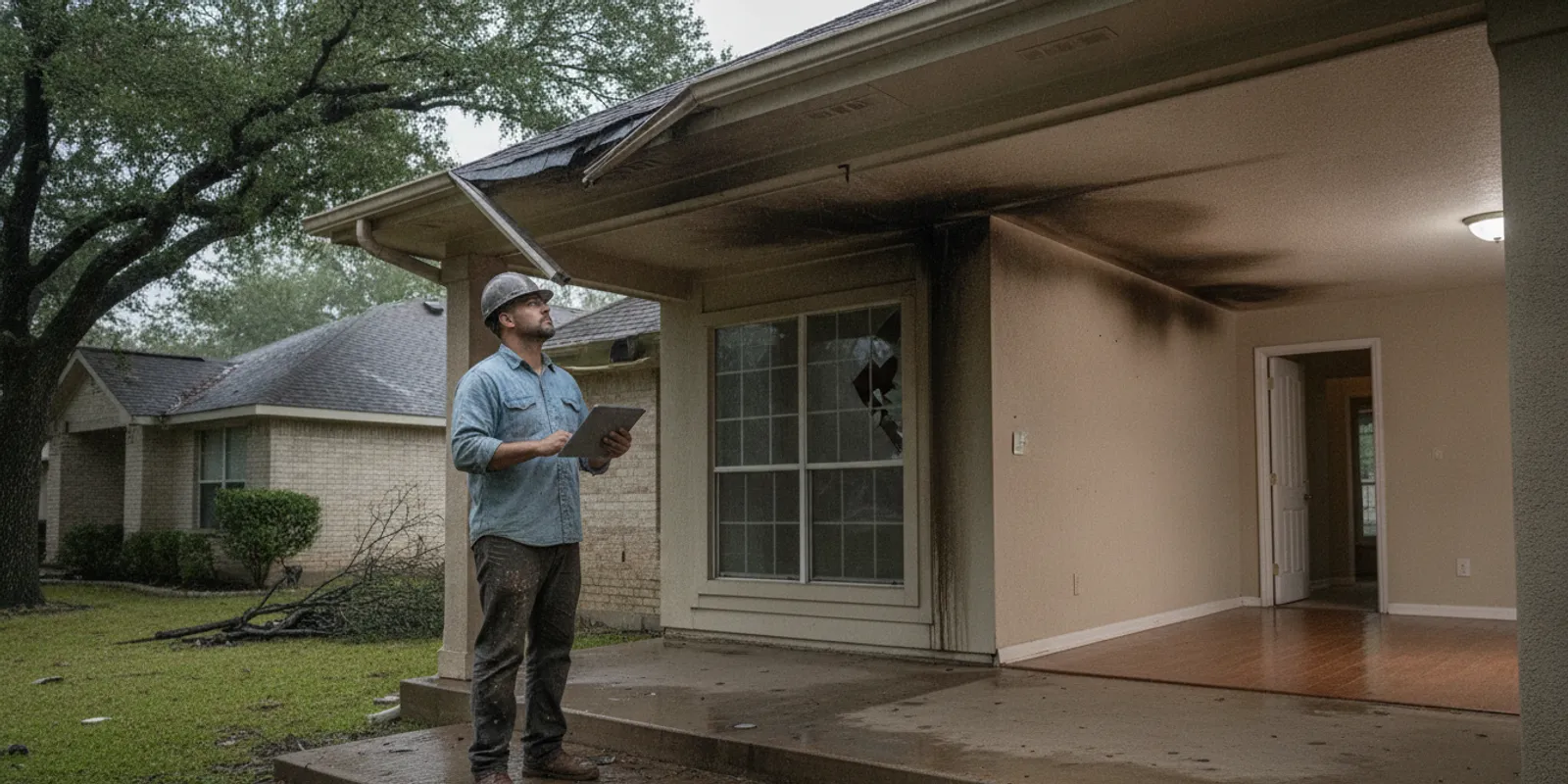
The single biggest factor influencing your rebuild cost is the scale of the damage. A small kitchen fire that was quickly contained will be far less expensive to repair than a fire that compromises your home's entire structure. Beyond the visible flames, you also have to account for smoke and water damage. Soot can get into every nook and cranny, while the water used to extinguish the fire can lead to serious mold problems if not handled by a professional fire and water damage restoration team. These secondary issues require specialized cleaning and repairs, adding layers of complexity and cost to the project.
Your Home's Location and Local Labor Rates
Where you live matters. Construction costs, especially labor rates, vary dramatically from one city to another. In a growing urban area like Austin, the demand for skilled contractors is high, which can be reflected in their pricing. The specific location of your property can also play a part. If your home is in a hard-to-reach area, the cost to transport materials and get workers to the site might be higher. This is why getting a quote from a local contractor who understands the Austin market is so important for an accurate estimate. They’ll have a firm grasp on current labor and material costs in your neighborhood.
The Building Materials You Choose
Rebuilding your home gives you a chance to make new choices about its features and finishes. The materials you select will have a direct impact on your budget. Opting for standard-grade drywall, flooring, and fixtures will keep costs down, while choosing high-end or custom materials will increase the total. This is an area where you have some control. You can decide to replicate your old home exactly or use this as an opportunity to upgrade. Discussing your options with your contractor can help you find a balance between your vision and your budget, ensuring you get the look you want without breaking the bank.
Upgrading to Fire-Resistant Materials
After experiencing a fire, safety is understandably a top priority. Many homeowners choose to rebuild with fire-resistant materials to better protect their property in the future. Materials like fiber cement siding, metal roofing, and treated framing can significantly slow the spread of a fire. While these materials are a smart investment in your home's resilience, they do come at a higher upfront cost, sometimes 10% to 25% more than their standard counterparts. It's a trade-off between initial spending and long-term peace of mind, and it's a conversation worth having with your reconstruction specialist.
Structural Design and Building Code Updates
You can't always rebuild your home exactly as it was. Building codes are updated regularly to improve safety and energy efficiency. When you rebuild, your home must meet the current codes, not the ones that were in place when it was first built. This might mean you need to make changes to your home's original design, like adding specific types of insulation, updating the electrical system, or altering the structural layout. These mandatory updates can add unexpected costs for new plans, engineering, and materials, so it's crucial to factor them into your budget from the beginning.
Market Shortages in Materials and Labor
The cost of rebuilding is also subject to the laws of supply and demand. After a widespread event like a major storm or wildfire, the demand for building materials and skilled labor can skyrocket. This can lead to shortages, which drive up prices and cause significant project delays. Even without a major disaster, general market fluctuations can affect availability. Working with an established contractor is a major advantage here. Companies with strong, long-standing relationships with suppliers and a dedicated team are better equipped to source materials and keep your project on track, even when the market is tight.
Will Insurance Cover the Full Cost to Rebuild?
After a fire, one of the first questions on your mind is likely, "Will my insurance cover this?" The short answer is: it depends. While your homeowner's policy is designed to protect you from this exact scenario, the amount of coverage you receive hinges on the specific type of policy you have, its limits, and the fine print within it.
Understanding your policy is the first step toward a successful claim. Insurance policies aren't always straightforward, and the difference between terms like "actual cash value" and "replacement cost" can mean a gap of tens of thousands of dollars in your settlement. The claims process can feel overwhelming, but knowing what to expect can help you advocate for yourself and ensure you get the funds you need to properly rebuild your home. The goal is to restore your property completely, and that starts with securing a fair and accurate settlement from your provider.
What a Standard Policy Typically Covers
Most standard homeowner's insurance policies (often called an HO-3) cover damage to your home's structure and your personal belongings from specific events, including fire. Your policy will also likely include coverage for Additional Living Expenses (ALE), which pays for temporary housing and related costs if your home is uninhabitable. However, policies are not blank checks. Insurance claims can be denied for reasons that are often avoidable, like failing to provide proper documentation. Being aware of your policy's specific terms and conditions is the best way to strengthen your claim from the very beginning.
Actual Cash Value (ACV) vs. Replacement Cost Value (RCV)
This is one of the most important distinctions in your policy. An Actual Cash Value (ACV) policy pays to replace your home or belongings minus depreciation, which is the decrease in value due to age and wear. A Replacement Cost Value (RCV) policy pays the full cost to replace or repair your property with similar quality materials, without deducting for depreciation. Disputes often arise over how depreciation is calculated or the true cost of construction, which can lead to low initial settlement offers. Understanding which policy you have is critical for setting realistic expectations for your rebuild budget.
Extended and Guaranteed Replacement Cost Options
Because construction costs can spike unexpectedly due to material shortages or high demand after a widespread disaster, your standard policy limit might not be enough. This is where endorsements like Extended Replacement Cost come in. This option adds a buffer, covering an additional 20% to 50% above your dwelling coverage limit. An even better option is Guaranteed Replacement Cost, which pays the full cost to rebuild your home to its previous state, regardless of your policy limit. While these add-ons increase your premium, they provide invaluable peace of mind.
Watch Out for These Common Insurance Gaps
Even with a solid policy, homeowners can run into coverage gaps that leave them paying out of pocket. Here are a few common pitfalls to be aware of.
Assuming You're Fully Covered
Many homeowners believe their policy covers everything, but all policies have exclusions. For example, damage resulting from gradual wear and tear or lack of maintenance is typically not covered. It's also important to check for specific exclusions related to events like floods or earthquakes, which usually require separate policies. Don't just assume you're covered; read your policy's declarations page and exclusions section to know exactly what is and isn't included.
Forgetting About Depreciation
If you have an RCV policy, your insurance company will likely pay you in two installments. The first check is for the Actual Cash Value (ACV) of your damaged property. You will only receive the second check for the recoverable depreciation after you have completed the repairs and submitted receipts to the insurer. Many homeowners are surprised by the low initial offer, not realizing it's just the first part of their total settlement. It's a process you have to see through to get the full amount you're owed.
Not Planning for Additional Living Expenses (ALE)
Additional Living Expenses (ALE) coverage is a lifeline that helps you maintain your normal standard of living while you're displaced. It covers costs like hotel bills, a temporary rental, and even extra food expenses. However, this coverage has a limit. It's important to keep all your receipts and manage these funds carefully. You don't have to wait for your entire claim to be approved to start using these benefits for immediate needs like finding a safe place to stay.
Tips for Working with Your Insurance Adjuster
Your insurance adjuster is the key person who assesses the damage and determines your settlement amount. Building a professional, cooperative relationship is important, but it's also your job to be an active and informed participant in the process.
Document Everything
From the moment it's safe to do so, document everything. Take hundreds of photos and videos of the damage from every angle, both inside and out. Create a detailed inventory of every single item that was damaged or destroyed, noting its age, original cost, and replacement cost if possible. Failing to document the damage thoroughly can give your insurer a reason to undervalue or deny parts of your claim. This evidence is your most powerful tool.
Know Your Policy Inside and Out
Request a complete, certified copy of your insurance policy from your agent immediately. Read it carefully to understand your coverages, limits, and duties after a loss. For instance, your policy requires you to mitigate further damage, so you may need to make temporary repairs like boarding up windows. Be sure to save every receipt for any work you have done. This knowledge empowers you to hold the insurance company accountable for everything you are entitled to.
Get Multiple Contractor Bids
Your insurance company will have its own estimate for the cost of repairs, but you are not required to accept it. It's wise to obtain multiple independent estimates from reputable, licensed contractors who specialize in insurance reconstruction. An experienced contractor, like the team at Rhino Renovations, can identify damage the adjuster might have missed and provide a detailed, line-item estimate that reflects the true cost of restoring your home with quality materials. You can contact us for a comprehensive assessment.
Don't Rush to Settle Your Claim
Insurance companies often want to close claims as quickly as possible. Be wary of pressure to accept a final settlement too soon. Hidden damage, like issues with plumbing, electrical systems, or the foundation, may not become apparent for weeks or even months. Once you sign a final release, you can't go back and ask for more money. It's better to take your time and ensure all damage has been discovered before you allow your claim to be closed.
Your Step-by-Step Guide to Rebuilding
Facing the aftermath of a house fire is incredibly overwhelming, but you don’t have to go through it alone. Rebuilding is a journey with many moving parts, from ensuring your family’s safety to making final design choices. Having a clear roadmap can make the entire process feel more manageable. Think of these steps as your guide to working through the path ahead, one task at a time. Following a structured plan will help you stay organized, make informed decisions, and work effectively with your insurance company and contractor. The goal is to get you back into a home that is not only restored but also safe and secure for the future. If you’re feeling lost, remember that professionals who specialize in insurance reconstruction can guide you from the very first step.
Step 1: Secure the Property and Ensure Safety
Your absolute first priority is safety. After a fire, you should never re-enter your home until the fire department or another local authority has officially declared it safe. There could be hidden structural dangers, hazardous materials, or smoldering embers that pose a serious risk. Once you get the all-clear, the next step is to secure the property from further damage or unauthorized entry. This often involves boarding up windows, covering damaged sections of the roof with tarps, and installing temporary fencing. A professional reconstruction company can handle this initial securing of the site, protecting your property while you focus on your family and the next steps.
Step 2: Document All Damage in Detail
Before anything is moved or cleaned, you need to become a detective. Meticulously documenting all the damage is one of the most critical steps for a successful insurance claim. Go through every room and take as many photos and videos as you can. Capture the structural damage to walls, floors, and ceilings, as well as all your damaged personal belongings. Create a detailed home inventory of everything that was lost or damaged. For each item, try to include a description, its age, and what you think it would cost to replace it. This detailed list provides the concrete proof your insurance company will need to process your claim for personal property.
Step 3: File Your Insurance Claim
With your initial documentation in hand, it’s time to contact your insurance company. Don’t delay this step; you should notify your agent as soon as possible to get the process started. Your insurance provider will assign a claims adjuster to your case, who will then schedule a time to inspect the property. Provide them with a copy of the photos, videos, and inventory list you created. Your agent will be your main point of contact and can explain your policy’s coverage, including provisions for Additional Living Expenses (ALE) that may cover temporary housing costs. This is the official start of your journey toward rebuilding your home.
Step 4: Get Building Permits and Meet New Codes
Any significant structural work requires official permission from your local government. Before reconstruction can begin, you or your contractor will need to obtain the necessary building permits. In Austin, this process is managed through the city’s Development Services Department. It’s also important to know that building codes are updated over time. Your home will need to be rebuilt to meet the current codes, which may be stricter than when it was originally constructed. These new requirements can affect everything from insulation to electrical wiring. A qualified contractor will be familiar with these local codes and ensure your rebuilt home is fully compliant.
Step 5: Hire a Licensed Reconstruction Contractor
Choosing the right builder is the most important decision you’ll make in this process. You need more than a general contractor; you need a specialist with proven experience in fire and water damage restoration. Look for a licensed and insured contractor who understands the complexities of insurance claims. Be sure to get detailed bids from at least three different companies and check their references thoroughly. Ask to see their portfolio of past reconstruction projects to get a sense of their work quality. A great reconstruction partner will not only rebuild your home but also advocate for you during the insurance process.
Step 6: Choose the Right Building Materials
As you begin planning the rebuild, you’ll have important decisions to make about the materials used to reconstruct your home. This is an opportunity to not only restore what was lost but also to make your home stronger and more resilient for the future. Your choices will impact your budget, your home’s long-term durability, and its ability to withstand future threats. Work closely with your contractor to explore the options and find the right balance for your specific needs and financial situation.
Consider Fire-Resistant Options
Rebuilding gives you the chance to incorporate materials that can better protect your home from a future fire. This practice, often called "home hardening," involves using fire-resistant products like fiber cement siding, metal roofing, and dual-paned tempered glass windows. While these materials may have a higher upfront cost, they provide an invaluable layer of protection and peace of mind. Discuss these options with your contractor to see how you can integrate them into your design.
Balance Cost with Long-Term Value
It’s true that some fire-resistant materials can cost more than standard options. However, it’s important to weigh that initial investment against the long-term value. These durable materials often require less maintenance and can sometimes lead to lower homeowners insurance premiums. They are an investment in your property’s safety and resilience. Your contractor can help you analyze the costs and benefits to determine which upgrades make the most sense for your budget and your home’s specific location and risk factors.
Comply with Local Building Codes
As mentioned earlier, your rebuilt home must adhere to all current local building codes. These regulations often dictate the types of materials you can use, especially for structural components, roofing, and electrical systems. An experienced local contractor will be well-versed in these requirements and ensure that all materials selected for your project are fully compliant. This not only guarantees your home will pass inspection but also ensures it’s built to modern safety standards.
Step 7: Avoid These Common Rebuilding Mistakes
The road to rebuilding can have a few bumps, but knowing what to watch out for can help you avoid common and costly mistakes. Many homeowners face similar challenges after a property loss, from dealing with insurance to managing the construction process. Being aware of these potential pitfalls ahead of time will empower you to make smarter decisions, protect your financial interests, and ensure a smoother recovery process from start to finish.
Rushing the Process
It’s natural to want to get back to normal as quickly as possible, but rushing your insurance claim can be a huge mistake. Hidden damage from smoke, water, and structural stress can take weeks or even months to become apparent. If you settle your claim and close it too early, you may be left paying for these newly discovered repairs out of pocket. Take your time, be thorough, and don’t sign a final settlement until you are confident all the damage has been identified.
Hiring the Wrong Contractor
Don’t feel pressured to use a contractor recommended by your insurance company, and never choose a builder based on the lowest bid alone. Do your own research. The wrong contractor can lead to poor-quality work, project delays, and budget overruns. It’s essential to hire a licensed, insured professional who specializes in insurance reconstruction. Get multiple bids and check references to find a trustworthy partner you feel comfortable with. When you're ready, you can contact us to get a detailed estimate from our experienced team.
Forgetting to Keep Records
From the moment the fire is out, document everything. Keep a detailed file with all your receipts for temporary repairs, lodging, and other expenses covered by your policy. Log every conversation you have with your insurance adjuster, including the date, time, and what was discussed. This meticulous record-keeping is your best tool for ensuring you receive a fair settlement and can hold all parties accountable throughout the process.
Step 8: Set a Realistic Rebuild Timeline
One of the first questions every homeowner asks is, "How long will this take?" The honest answer is: it varies. A small, partial rebuild might take a few weeks, while a complete reconstruction of your home could take many months or even over a year. The timeline depends on several factors, including the extent of the damage, the permitting process, the availability of materials and labor, and even the weather. Work with your contractor to develop a realistic project schedule with clear milestones so you know what to expect every step of the way.
How to Save Money on Your Post-Fire Rebuild
Facing a rebuild after a fire is overwhelming, and the financial strain can feel just as heavy as the emotional one. While it’s a costly process, there are practical ways to manage your expenses without compromising the safety or quality of your new home. It’s all about making smart, informed decisions from the very beginning. By understanding your insurance coverage, being strategic with your design, and choosing the right partners, you can find significant savings. This approach helps you not only rebuild your home but also create a safer, more resilient space for the future. Let’s walk through some key strategies that can make a real difference in your budget.
Set a Realistic Budget from the Start
The first step in controlling costs is knowing exactly what you have to work with. This means getting a firm handle on your insurance settlement. Understanding your policy and working to maximize your claim is foundational. Once you know your insurance payout, you can build a realistic budget that covers everything from debris removal to final finishes. This is also the perfect time to think about long-term savings. Investing in fire-resistant materials might cost a bit more upfront, but it can lead to lower insurance premiums and, most importantly, a safer home down the road.
Salvage and Reuse What You Can
Before you demolish everything, take a careful look at what might be salvageable. Depending on the extent of the damage, some structural elements could be perfectly sound. With a professional assessment, you might find that your home's concrete foundation, steel beams, or even some brickwork can be safely reused. This can save you a substantial amount on both materials and disposal fees. It’s crucial to have an expert evaluate these components to ensure they haven’t been compromised by the heat. A qualified contractor can help you identify what’s safe to keep and what needs to go.
Simplify Your Design
While it can be tempting to redesign your home with intricate details, a simpler architectural plan is one of the easiest ways to save money. Complex rooflines, unique angles, and custom-sized windows all require more labor and specialized materials, which drives up the price. Opting for a more straightforward layout doesn’t mean your home has to be boring. You can still create a beautiful and functional space with standard materials and a classic design. Focusing on a simple, efficient floor plan will help keep your reconstruction project on budget and on schedule.
Get Bids from Multiple Contractors
Never accept the first estimate you receive, whether it’s from your insurance company or a contractor. It’s essential to get at least three independent bids from licensed and reputable builders. This gives you a clear picture of the true market rate for your rebuild and provides leverage when negotiating with your insurance adjuster. When you request an estimate, make sure each contractor is bidding on the exact same scope of work so you can compare them accurately. This step protects you from overpaying and ensures you find a partner who offers fair pricing and quality work.
Look for Financial Assistance Programs
Depending on the scale of the fire, you may be eligible for outside financial help. If the event is declared a major disaster by the federal government, you might qualify for assistance. Programs from the Federal Emergency Management Agency (FEMA) can offer grants or loans to help with home repairs, replacement, and other serious disaster-related needs. It’s always worth checking for local or state-level programs as well, as some non-profits and community organizations offer support to fire victims. These resources can provide a crucial financial cushion when you need it most.
Partner with an Insurance Reconstruction Specialist
Working with a contractor who specializes in insurance reconstruction can be one of the smartest financial decisions you make. These professionals understand the entire process, from documenting damage for your claim to navigating complex building codes. An experienced team like Rhino Renovations can advocate on your behalf with the insurance company to ensure you get a fair settlement. They also know how to manage a project efficiently, preventing costly delays and mistakes. Their expertise in fire damage restoration ultimately makes the process smoother and can save you significant money and stress in the long run.
Related Articles
Frequently Asked Questions
Why is my first insurance check so much lower than the rebuild estimate? This is a very common and often stressful situation, but it's usually a normal part of the claims process. If you have a Replacement Cost Value (RCV) policy, your insurance provider typically pays you in two parts. The first check is for the Actual Cash Value (ACV) of your damaged property, which is the replacement cost minus depreciation for age and wear. You will receive the remaining funds, called the recoverable depreciation, after you complete the repairs and submit the final invoices to your insurer.
How long does it actually take to rebuild a house after a fire? The timeline for a rebuild can vary quite a bit. A project's length depends on the extent of the damage, how long it takes to get building permits, the complexity of your home's design, and the availability of materials and labor. A partial repair might take several weeks, but a full rebuild from the ground up often takes many months, sometimes even more than a year. A good contractor will provide you with a realistic project schedule that outlines each phase of the process.
Can I just rebuild my house exactly as it was before the fire? Not always. Building codes are updated regularly to improve safety, structural integrity, and energy efficiency. When you rebuild, your new home must meet all current local and state codes, not the ones that were in place when it was first constructed. This might mean you need to make changes to the original electrical wiring, insulation, or even structural layout. An experienced reconstruction contractor will know these requirements and ensure your new home is fully compliant.
Do I really need a special "reconstruction" contractor, or can any builder do the job? While any licensed builder can construct a house, a reconstruction specialist brings a unique and valuable set of skills to a post-fire project. These contractors have deep experience with fire and water damage, understand how to work with insurance adjusters, and know how to document everything for your claim. They act as your advocate and guide, making the entire process smoother and helping ensure you get a fair settlement to restore your home properly.
What if my insurance policy doesn't cover the full cost of the rebuild? This is a major concern for many homeowners. Your first step should be to get several detailed bids from reputable reconstruction contractors. A thorough, independent estimate can be used to negotiate with your insurance company if their initial offer is too low. You can also manage costs by simplifying your home's design, choosing standard finishes instead of custom ones, and working with your contractor to see if any materials can be safely salvaged.
Comments