

How to Plan Home Renovation Austin TX: A Step-by-Step Guide

Updated: Sep 15
Austin homeowners often face delays because they hire contractors who do not understand local building codes. Starting with a clear strategy for home renovation planning in Austin helps you avoid these common pitfalls. I'm Jerson, and we suggest a free on-site consultation with Rhino Renovations to map out your goals before you spend any money.
Learning how to plan home renovation austin tx requires clear project goals, a realistic budget, and a licensed contractor who understands the local area. According to the U.S. Department of Energy, clarifying your specific goals early in the process ensures you get the best long-term results. After defining your project scope, you must secure the necessary city permits and map out a timeline that accounts for Austin labor availability. Taking these steps protects your property investment, prevents costly building mistakes, and ensures a smooth update of your living space. With the right local planning strategy, you can renovate your home with confidence and make sure the craftsmanship holds up for the long term.
Navigating a major remodel in Central Texas can feel overwhelming, but breaking down each step makes your project highly manageable. Our comprehensive roadmap below simplifies the entire process, starting with how to plan home renovation austin tx projects from the ground up.
How to Plan Home Renovation in Austin TX Without the Overwhelm
When you begin home renovation planning in Austin, you need a clear path to succeed. If you want to know how to plan home renovation austin tx projects successfully, starting with a clear map is key. You must set clear goals, build a realistic budget, and partner with a licensed local builder. Rhino Renovations guides you through every step of this process, ensuring your project is done right and stays on track.
Setting clear goals and checking performance
Your first step is to know what you want to achieve. According to the Department of Energy, you should clarify your goals now for the best results later. This step prevents mistakes once the build begins. Along with setting goals, you should get a professional look at how your house works. A home performance assessment can show where you waste energy. It also helps you find where you can make improvements with the biggest impact.
Understanding home system interdependency
You must also plan your project from a whole-home view. It is easy to view remodeling tasks as separate jobs. But many home systems work together. According to Energy Star, home systems often function interdependently. This means the condition of one part can change how another performs. If you fix your insulation but ignore your heating system, you will not get the full savings you expect.
Seven key steps for your Austin project
Having a roadmap keeps your project on track and stops costly mistakes. This step-by-step planning guide ensures you cover every vital detail of your remodeling journey:
- Clarify goals now:
Decide what you need from your space. Think about how you use each room. Setting clear goals now stops you from making changes during construction, which saves you time and stress.
- Run a home performance assessment:
Learn how your home uses energy. A professional check finds drafty areas, poor insulation, or old systems that need upgrades. This helps you plan a more efficient home.
- Set a realistic budget with contingency:
Figure out what you can spend. Remodeling costs can change, so you must plan for surprises. Keep fifteen to twenty percent of your budget in a backup fund.
- Define scope and which rooms:
Decide which parts of your house to remodel first. You may want a new kitchen or a main bath update. Plan the work in phases if you have a large project.
- Vet and hire a licensed Austin contractor:
Look for a builder with good local references. A licensed team knows Austin building styles and local trades. Partner with Rhino Renovations for a smooth experience.
- Secure permits:
Check local rules for your project. Most major home updates need city approval. Getting the right permits ensures your remodel is safe, legal, and meets city codes.
- Set a timeline:
Build a schedule with your contractor. You should know when work starts and ends. Having a clear plan helps you manage daily life during the build.
How Much Should You Budget for an Austin Home Renovation?
Learning how to plan home renovation austin tx projects starts with a clear budget. A clear budget matches your family needs with the high-demand building market in Central Texas.
Starting Your Austin Remodel Budget
How much does a home renovation cost in Austin? The honest answer is that costs vary based on project scope, materials, and local labor rates. Because Austin is a fast-growing city, local demand can drive prices higher than national averages. We do not give fake price ranges online because every home is unique. To get a real number, you should get a free on-site estimate with a trusted team like Rhino Renovations.
When planning, you must build a safety net into your math. We advise setting aside ten to twenty percent of your total budget for surprise repairs. This safety fund is vital if your contractor finds hidden water leaks or old wiring behind your walls. Preparing for these issues early keeps your project on track without stress.
Prioritizing Your Home Projects
A smart way to plan your budget is to rank your home projects based on their return on investment. According to Energy Star, you should rank your plans by how they affect your home's energy efficiency, daily use, and look. Focusing on these three areas helps you get the most value from every dollar you spend. This system also ensures your home is comfortable and runs well for years.
Before you buy materials, you should find where your home loses energy. A home performance assessment can show you where your house wastes power and where it feels drafty or hot. Fixing these comfort issues first can guide your budget planning. This step ensures you do not waste money on visual upgrades while your central systems are failing.
Managing Austin Market Costs
Local building costs in Austin vary widely by the size of your rooms, your choice of materials, and skilled labor rates. For example, a full kitchen remodel planning project has different material needs than a small guest bathroom remodel. In our high-growth area, hiring a licensed crew with set skills keeps your costs steady. It prevents the budget bloat that often happens when you hire many different crews.
To build an honest budget, you need real facts about your home's current state. Our team can help you map out your goals and find hidden structural needs before you sign any contract. Contact us today to set up a free consultation and get a clear plan for your Texas home.
Which Rooms Should You Renovate First in Austin?
When you start to plan a home remodel, choosing where to begin can feel hard. If you want to know how to plan home renovation austin tx homeowners love, you must decide which spaces need help first. It is best to look at your house as a single unit rather than a set of disjointed rooms. This helps you avoid bad choices and saves you time.
Prioritizing Rooms by Real Impact
To get the most out of your home, you need a clear strategy. An expert guide from energystar.gov tells you to prioritize jobs by their impact on efficiency, functionality, and looks. This gives you the greatest return on your investment. This keeps your goals clear and helps you invest your money where it counts.
Starting with high-use rooms like the kitchen often makes the most sense. If you focus on spaces that affect your daily routine, you will see a fast boost in comfort. You can check our guide on kitchen remodel planning to see how these updates work. Improving your kitchen first can make your home much more livable.
Bathrooms are another top choice. A solid plan for bathroom renovation planning helps you fix leaks, update old tile, and add smart storage. These areas have a major effect on your daily comfort and home value. If you plan to sell your house later, an updated bathroom is always a big selling point.
Comparing Room Renovation Priorities
Every home project is different. Some choices cause a lot of mess, while others are quick and simple. Use this guide to compare your options and see which rooms fit your current needs best. Knowing the steps before you start will help you keep your stress low.
Focus Area | Disruption Level | Typical Timeline | Biggest Value Levers |
Kitchen. | High because you lose cooking space. | Runs about six to twelve weeks. | Layout, storage, and modern appliances matter most. |
Primary bathroom. | Medium while you use a secondary bath. | Runs about four to eight weeks. | Water efficiency, custom tile, and fixtures matter most. |
Full home. | Extreme because you may need to move out. | Runs six to twelve months. | Flow, unified style, and new systems matter most. |
Whole-home livability. | Low to medium when you work in phases. | Runs two to six months. | HVAC, insulation, lighting, and floors matter most. |
For some Austin homeowners, a phased plan works best. This means you do one room at a time to keep your home liveable. For others, doing a full home remodel is better. Working with a single trusted crew helps you keep the work on track from start to finish. Our team at Rhino Renovations can guide you through each phase of the plan.
How Do You Find and Vet a Reliable Austin Contractor?
To vet an Austin home contractor, you must check their licensing, active insurance, and local build experience. Choosing a local builder who does both insurance work and custom design ensures a smooth process. This approach protects your investment and ensures your property is built to last.

Local licensing and insurance
You should never hire a builder without active general liability insurance and proper state registration. In Texas, a qualified contractor should show proof of these documents before they step onto your property. This protection shields you from high costs if an accident occurs during construction. It also gives you peace of mind throughout the build.
When you vet local teams, ask how they prioritize your project goals. Sourced guidelines from the U.S. Department of Energy show that clear goals prevent mistakes. A good plan ensures that your home systems work well together. It also keeps your budget on track from start to finish.
When you speak with local candidates, ask them for details about their past projects. A trustworthy builder will share this information with you:
A list of local references from recent jobs.
Proof of active licensing and liability insurance.
A clear outline that shows a transparent process.
Local ties and trust signals
A great builder must have deep roots in the Austin and Round Rock areas. Look for a team with decades of local experience and strong trade ties. These builders know the local soils, flash floods, and hard freezes that affect local homes. They design projects to withstand the unique Texas climate.
You can trust a business that has served local homeowners for over twenty years. Look for a team that is BBB accredited since 2023. You can also check for memberships in local groups like the Austin Apartment Association. To learn about our history and values, you can meet Rhino Renovations. Our deep local connections show our dedication to quality.
The dual service advantage
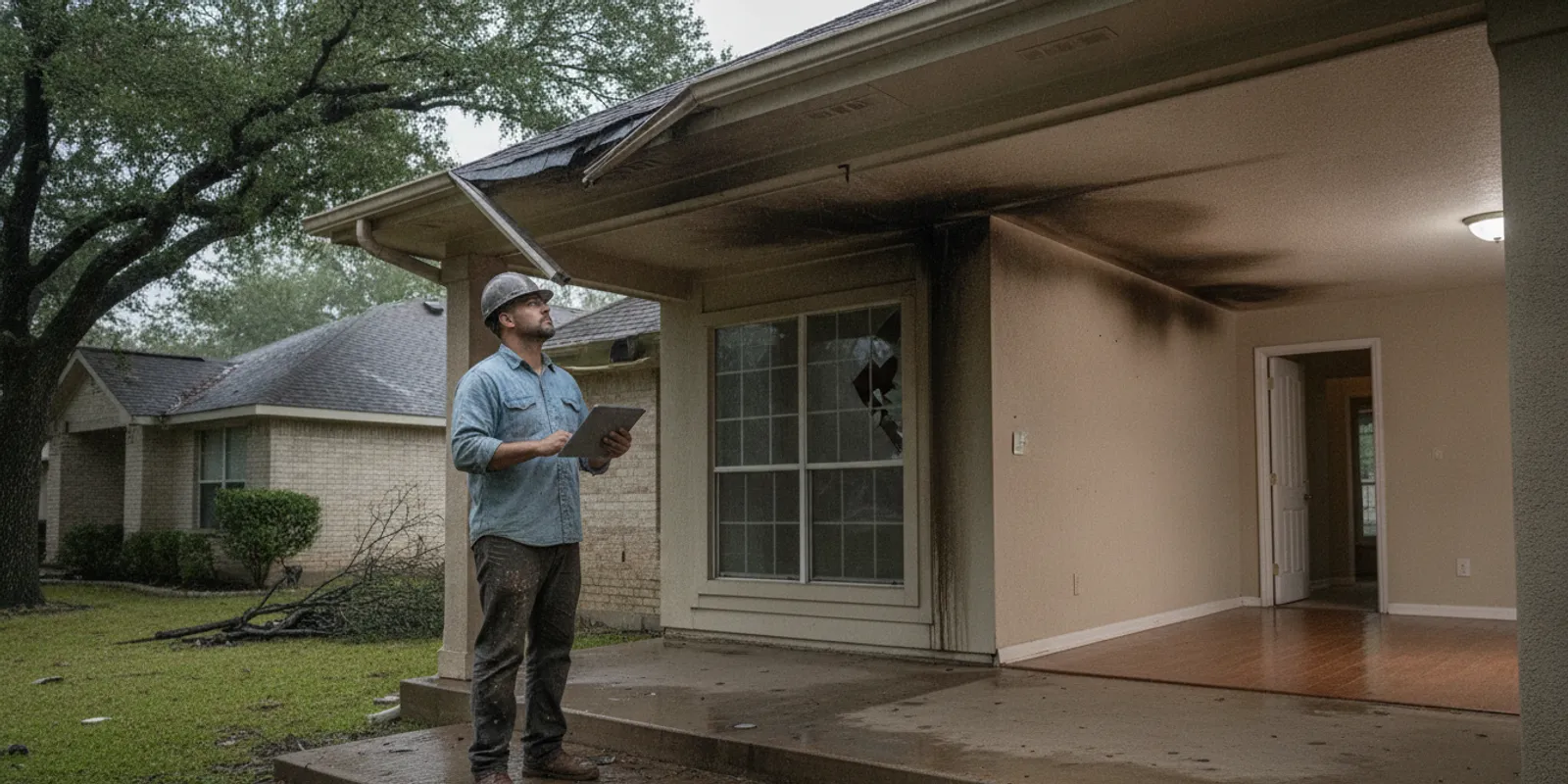
Many homeowners face a mix of urgent storm repairs and planned home upgrades. Hiring a separate crew for each task can lead to high costs and bad communication. Instead, you can work with a single team that handles both jobs under one contract. This keeps your project simple and clear.
A professional insurance reconstruction contractor can guide you through complex claims while planning elective remodeling. They ensure your home is built back stronger than before. This dual service approach saves you time, cuts stress, and delivers a beautiful, cohesive space. You get the benefits of two services with just one trusted team.
What Permits Do You Need for a Home Renovation in Austin, TX?
Yes, you do need a permit for most home renovations in Austin, TX, and the team at Rhino Renovations can help you navigate this process. Local building codes state that any project with big structural, plumbing, electrical, or mechanical changes needs city approval. Getting these permits before you start tearing down walls protects your property value and keeps your home safe.
The Local Permit Authority
In our city, the City of Austin Development Services Department serves as the main office for all residential building permits. They review plans, issue permits, and inspect the work to make sure it meets local building safety codes. If you start a renovation without their approval, you could face heavy fines or be forced to tear down your new work. This department handles everything from small residential changes to large home additions.
When Do You Need a Permit?
Most big home projects need city permits. For example, during kitchen remodel planning, you will need a permit to move walls or add new electrical outlets. The same rule applies to a bathroom renovation planning project where plumbing lines are moved. But simple cosmetic updates like painting, laying tile, or putting in new counters do not need city permits. You can swap out old light fixtures or put up new shelves without telling the city.
Here is a quick look at common projects that require a city permit in Austin:
Adding or removing a load-bearing wall requires a permit.
Installing new electrical circuits or rewiring rooms requires a permit.
Replacing or moving plumbing drain lines requires a permit.
Putting in a new central heating or cooling system requires a permit.
Building a new deck over thirty inches high requires a permit.
Adding a new room or expanding your home layout requires a permit.
How a Contractor Helps
Before you touch a single wall or start tearing things down, you must check the local permit rules first. Trying to handle this paperwork alone can be slow and confusing for homeowners. For a smooth project, we recommend hiring a renovation contractor who knows the local Austin codes inside and out. A professional team will draw up your building plans, submit the permit papers, and manage all city inspections. They will also handle the final walk-throughs with the city inspectors to make sure your project is signed off correctly.
At Rhino Renovations, we handle the entire permitting phase for you. We make sure your home remodel or insurance repair is fully legal and built to last. You can check out our website to meet Rhino Renovations and learn how we help our neighbors. We serve families across the Austin metro area, including Round Rock and surrounding towns.
How Long Does a Home Renovation Take in Austin, TX?
How long does a home remodel take in Austin? For most projects in Central Texas, a full home remodel can last six months to a year or more. A minor upgrade like a single bath or kitchen often takes three to six months. If you add a new room or make structural changes, expect the work to take six to twelve months. A full house project can take nine to eighteen months of work. Knowing how to plan home renovation austin tx projects starts with building a clear, phase-by-phase timeline.
Typical project milestones
Every home remodel has clear phases that need a solid schedule. For most local projects, the planning and design phase lasts four to six weeks. During this stage, you work on plan drawings and choose your new fixtures. To make a timeline that works, you must first clarify your renovation goals before any physical work begins on your property.
Once the design is ready, the hands-on work can start. Expect about one to two months for demo and site prep. The actual build is the bulk of the job and takes three to nine months to complete. During this phase, crews handle framing, plumbing, and drywall. It is wise to view your home as a system because many parts function interdependently. The final phase takes one to two months and covers paint, flooring, and finishes.
What drives the remodel schedule
Several local issues can speed up or slow down your home remodel. In the fast-growing Austin market, city permitting is a primary factor. Waiting on city approvals for structural edits can add weeks to your plan. Material lead times for custom items like cabinets also play a big role. Finally, any scope changes you make after work starts will push back the end date. Planning for these factors early keeps your project on track and reduces stress.
Weather can also affect your timeline in Central Texas. Austin is known for extreme heat and sudden heavy rains that can delay outdoor work. Concrete pours and exterior painting need dry windows, so a good contractor keeps a buffer for weather delays to keep the job moving.
Working with a local expert
Learning home renovation planning in Austin prepares you for these local shifts. A skilled local contractor helps you lock in a realistic schedule. When you work with a trusted partner, they handle permits and supplies to avoid delays. They also make sure each trade crew is ready to step in as soon as the previous phase wraps up.
A clear timeline is not a rigid cage but a tool to manage change. It gives you a roadmap to track progress and budget your time. With the right team, you can update your home with confidence.
Frequently Asked Questions
Do I need a permit for home renovations in Austin, TX?
Yes. You will need a permit for any major electrical, plumbing, or structural work on your house. The City of Austin Development Services Department sets these local building rules to keep your home safe. It is best to work with a licensed local builder who can handle this process for you.
How much does a home renovation cost in Austin?
The cost of a home remodel in Austin varies based on the size of your house and the type of work. High local demand can make project prices higher than national averages. To avoid costly surprises, you should clarify your goals before the work starts. Contact our team to get a free, detailed project plan for your home.
How long does a home renovation take in Austin?
A whole-home project can take time to finish. A minor remodel might take three to six months. A major project can take six months to a year or more. This typical industry timeline depends on the size of your home and any permit wait times. Good planning at the start helps keep the build on track.
Is it worth it to renovate your home in Austin?
Yes. Many home updates can boost your property value in a fast-growing market. According to Energy Star, you should prioritize projects that have a major impact on efficiency, functionality, and style. Remodeling also makes your living space more comfortable. This is a smart way to invest in your future.
Are you ready to plan your home renovation in Austin?
Delaying your home renovation project in Texas can lead to rising material prices, longer permit wait times, and scheduling conflicts as crews fill calendars. Starting your design and planning phase today ensures you secure the necessary city permits and organize every structural detail before any construction work begins. Partnering with a licensed and BBB accredited home renovation contractor helps you avoid costly mistakes, manage your budget, and protect your major property investment.
Ready to plan your Austin home renovation? Our trusted, friendly local specialists are ready to guide you through every planning phase, ensuring a smooth and stress-free project.
Comments