

The Full Home Renovation Cost Austin TX Guide for 2026

Updated: Sep 14
A full-home remodel in Austin is rarely one simple price tag. The final budget depends on the home's size, the condition of its structure and systems, the finish level you choose, and how much work the project includes. Labor demand and material quality can move costs significantly, while older homes may require additional structural or energy-efficiency updates.
The full home renovation cost austin tx homeowners should plan for is best treated as a project-specific range, not a universal quote. A realistic budget starts with a detailed scope, room-by-room priorities, and a contingency for conditions discovered after walls or floors are opened.
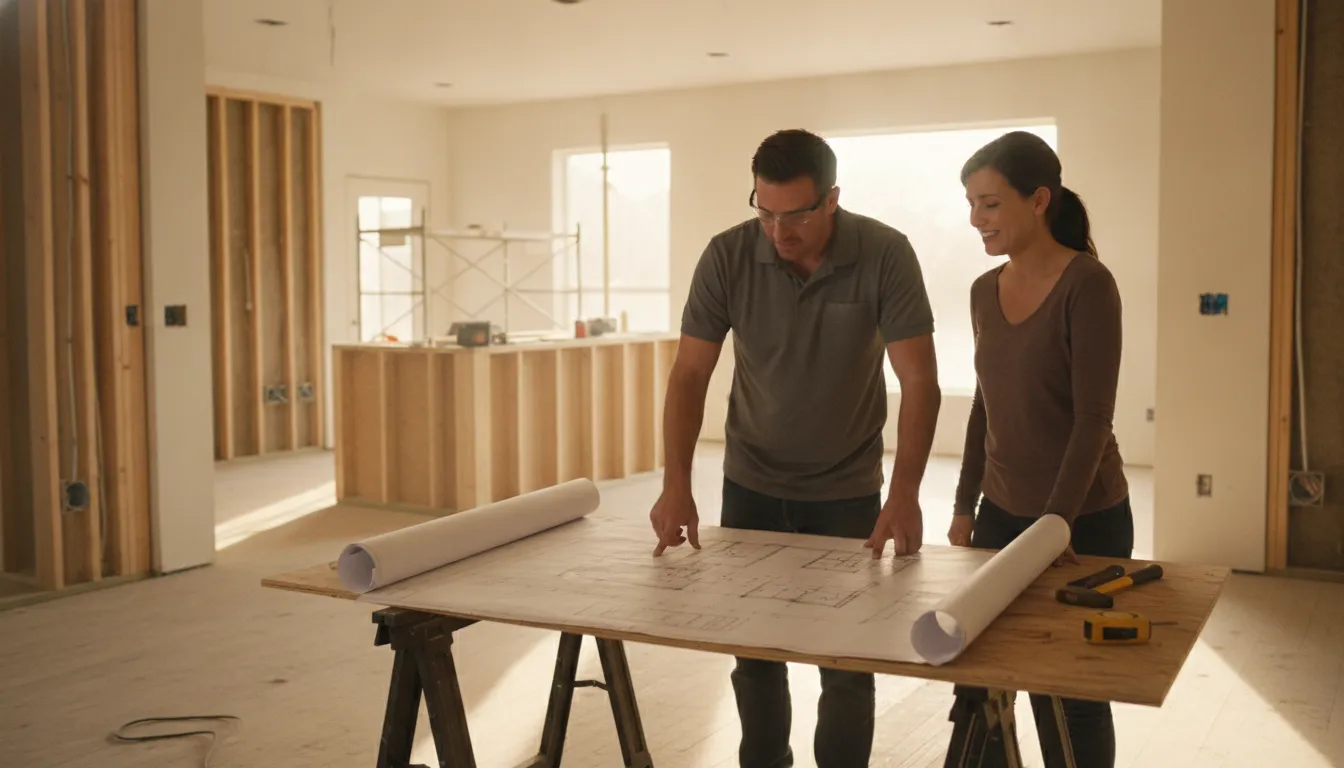
In my experience helping Austin and Round Rock homeowners, early planning prevents expensive surprises later. Rhino Renovations coordinates the trades involved in a full remodel, including insulation, drywall, cabinetry, flooring, and electrical work. If you are still defining your scope, our home renovation planning guide is a useful starting point. Next, we will look at how renovation costs typically change by project scope.
What Is the Average Cost of a Full Home Renovation in Austin TX?
How much does a full home renovation cost in Austin TX? The honest answer depends on how far the project goes. At Rhino Renovations, we do not publish firm pricing because two homes with the same floor plan can have very different conditions, materials, structural needs, and permit requirements. We provide a free consultation and personalized estimate after understanding the home and the intended scope.
For general market context, published renovation estimates should be treated as planning data, not a Rhino quote. Labor demand, material quality, and the specific work included can move the budget substantially, especially in a high-growth market such as Austin. Harvard's Joint Center for Housing Studies discusses how labor and material constraints can affect remodeling activity and costs: review the research here.
Cosmetic refresh
A cosmetic refresh changes the home's appearance without substantially moving walls or replacing major systems. It may include interior paint, updated flooring, new fixtures, trim, cabinet refinishing, or finish upgrades in selected rooms. This scope is usually more predictable because the contractor can work within the existing layout and avoid extensive demolition. Even so, the finish level and number of rooms make a meaningful difference.
Full remodel
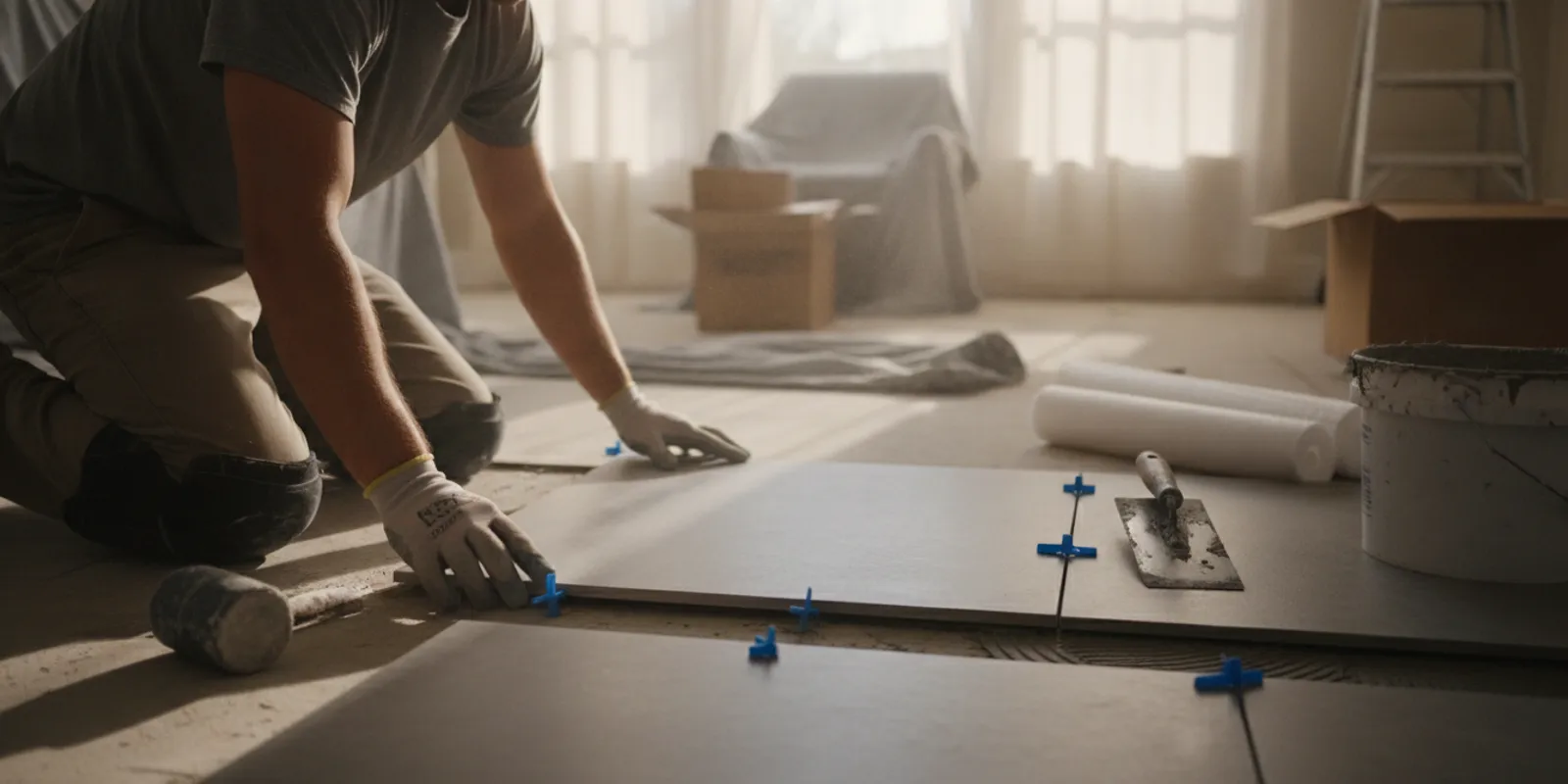
A full remodel typically combines several rooms and may include kitchen or bathroom reconstruction, cabinetry, flooring, electrical changes, plumbing adjustments, insulation, drywall, and finish work. Coordinating these trades is a major cost driver. Rhino manages insulation, drywall, cabinetry, flooring, and electrical coordination in-house, helping keep the work organized from demolition through completion. You can also compare related planning considerations in our guides to kitchen remodel cost in Austin and bathroom remodel cost in Austin.
Structural renovation or full gut with an addition
The most extensive scope may involve opening nearly every area of the home, correcting structural issues, updating older systems, changing the floor plan, or adding square footage. Older homes can require more investment because improvements may uncover structural needs, energy-efficiency work, or underlying damage, as the U.S. Census Bureau explains in its overview of older-home costs: read the Census findings. These unknowns make an on-site evaluation especially important.
Rather than relying on a generic online number, schedule a free, no-obligation consultation with Rhino Renovations. We can evaluate the existing conditions, clarify priorities, and build a realistic estimate for your Austin or Round Rock home.
How Home Renovation Costs Are Calculated in Central Texas
In Central Texas, a full home renovation cost is calculated from the home's size, condition. Finish level, and the number of trades required, then adjusted for labor, materials, permits, design, and uncertainty. There is no reliable one-size-fits-all price for a whole-home remodel, especially when an older Austin property needs repairs behind the walls. A site visit and clearly defined scope are more useful than a broad online number.
Labor demand and material availability also affect remodeling budgets. Harvard's Joint Center for Housing Studies identifies labor and materials as constraints on remodeling growth, a relevant consideration in a high-growth market such as Austin. Read the Harvard JCHS analysis. Older homes can require additional structural updates, energy-efficiency improvements, or repairs to underlying damage, which can increase the work required before finishes are installed, as the U.S. Census Bureau explains.
Cost component | What it represents | What can increase or reduce it |
Labor | Skilled work required to build, install, repair, and coordinate the project. | Trade availability, project complexity, schedule, access, and the number of rooms involved. |
Materials | Everything from framing and drywall to cabinets, flooring, fixtures, and finishes. | Material quality, availability, design choices, quantities, and changes made after ordering. |
Permits | Required reviews and approvals for applicable construction, electrical, plumbing, or structural work. | Project scope, property location, and the work requiring review. Austin homeowners can consult the City of Austin Development Services permit center. |
Design and planning | Existing-condition review, drawings or selections, measurements, and decisions that guide construction. | How much design assistance is needed, the number of decisions, and whether the scope changes during planning. |
Contingency | Room in the budget for conditions that cannot be confirmed until demolition or opening walls. | Age and condition of the home, accessibility of systems, prior alterations, and how much investigative work happens before construction. |
Square footage matters because a larger home usually requires more surface area, materials, labor hours, and coordination. It is only one variable, though. A smaller home with a structural repair, extensive electrical updates, or premium cabinetry can require more work than a larger home with a lighter cosmetic scope. The finish level matters in the same way: durable, budget-conscious selections and highly customized finishes create different material and installation requirements.
For a full renovation, the scope of trades is often the biggest planning question. Insulation, drywall, cabinetry, flooring, electrical, and other trades must be sequenced so one crew does not undo another's work. Rhino Renovations coordinates these areas in-house. A free, no-obligation consultation helps establish the actual scope and turn these variables into a realistic project estimate without promising a firm price before the home is evaluated.
Which Rooms Cost Most to Renovate in Austin?
In an Austin full-scope remodel, kitchens and bathrooms usually drive the highest room-level costs because they combine several expensive systems in a relatively small footprint. Plumbing, electrical work, cabinetry, countertops, fixtures, waterproofing, and tile can all be involved at once. Primary suites, whole-home flooring, and whole-home painting can also add substantially to the scope, especially when the renovation changes multiple rooms or requires repairs behind finished surfaces.
Kitchens typically carry the heaviest concentration of work
A kitchen remodel is rarely just a cabinet replacement. Moving a sink, dishwasher, range, or refrigerator can change plumbing and electrical layouts. Cabinetry and countertops also represent major material and installation decisions, while flooring, lighting, ventilation, and wall repairs may be part of the same plan. The more the layout changes, the more the project behaves like a systems renovation rather than a cosmetic update.
For a closer look at the variables behind this part of a full home renovation cost Austin TX plan, see Rhino Renovations' Austin kitchen remodeling cost guide. It is useful for separating kitchen-specific decisions from the costs of work elsewhere in the home.
Bathrooms are smaller, but the cost per square foot can be high
Bathrooms often require a dense combination of skilled trades. A full remodel may include plumbing changes, electrical updates, ventilation, tile installation, waterproofing, cabinetry, and finish fixtures. A shower relocation or change in wet-area design can add complexity even when the room itself is compact. Homeowners comparing options can review Rhino's guide to Austin bathroom remodeling costs for a more focused breakdown.
Remodeling Magazine's 2024 Cost vs. Value report provides a useful market benchmark, not a Rhino quote: a mid-range bathroom remodel recouped 67.8% of its cost in the West South Central region. That figure can help frame renovation value, but it should not be treated as a guaranteed resale return or a fixed Austin project price.
Primary suites and whole-home finishes expand the scope
Primary-suite renovations can combine bedroom work with a bathroom, closet systems, lighting, flooring, and sometimes wall or layout changes. In a full renovation. Flooring and paint across the rest of the home can become significant because they cover a large area and must be coordinated with cabinetry, trim, doors, and repairs. Older homes may also need structural updates, energy-efficiency improvements, or repairs to underlying damage, which can increase the work required before finishes are installed. The U.S. Census Bureau notes that older-home improvements often cost more for these reasons: older home improvement considerations.
There is no reliable one-size-fits-all room price for Austin. A site visit and defined scope are the best way to identify which rooms, systems, and finish selections will control your project budget before work begins.
How to Budget for Unexpected Costs in a Full Renovation
How much should you set aside for unexpected renovation costs? As a general planning guideline, reserve a percentage of your total renovation budget for surprises rather than assigning every dollar to visible finishes. The right percentage depends on the home's age, the scope of work, and how much of the existing structure will be opened or changed. Your contractor should help you refine that reserve after inspecting the property.
Unexpected costs are most likely to appear when demolition reveals conditions that were not visible during the initial walkthrough. Behind walls, a renovation team may find outdated wiring, damaged framing, plumbing concerns, inadequate insulation, or signs of moisture. Older homes can require additional structural or energy-efficiency work, so their budgets deserve especially careful review. The U.S. Census Bureau notes that improvements to older homes often cost more because of these underlying needs: Census guidance on older-home improvements.
Build the contingency reserve before choosing finishes
Set the contingency reserve aside before you commit the full budget to cabinets, flooring, tile, fixtures, and paint. Treat it as protected money for documented changes or concealed conditions, not as extra spending room. If the reserve remains unused, you can decide later whether to apply it to upgrades. Reduce the final balance, or keep it available for the next phase of work.
It also helps to separate three categories in your plan: the base contract, owner-selected upgrades, and unforeseen conditions. That separation makes it easier to understand whether a cost comes from your original scope, a requested change, or something discovered during construction.
Use a written contract to protect the budget
A written contract should describe the work in enough detail that you and the contractor share the same definition of "complete." Confirm the scope. Materials or allowances, exclusions, project timeline, change-order process, and payment schedule. If opening a wall reveals a problem, the contractor should explain the condition. Document the proposed repair, and show how it affects both cost and schedule before proceeding when practical.
New York City consumer guidance similarly advises homeowners to make sure contracts address the scope of work and the possibility of unforeseen costs. Although the guidance is not Austin-specific, the budgeting principle is useful: review consumer guidance on unforeseen renovation costs.
For a more grounded plan, start with Rhino's Austin home renovation planning guide, then schedule a free consultation. We can review your home's condition, clarify the scope, and help you plan a realistic full home renovation cost in Austin TX without relying on a guess.
Is a Full Renovation Worth It in Austin's Real Estate Market?
Yes, a full renovation can be worth it in Austin when it improves how the home functions. Addresses aging systems, and matches the property's long-term value, but it is not automatically a profitable investment. The right decision depends on the home's condition, the scope you choose, how long you plan to stay, and whether the budget accounts for work hidden behind walls. A renovation should make the house more durable and livable first, with resale appeal as an important secondary consideration.
Austin's housing stock includes older homes that may need more than cosmetic updates. The U.S. Census Bureau notes that older homes can require higher improvement spending because of structural needs, energy-efficiency work, and underlying damage. That makes a full renovation valuable when it solves several connected problems at once instead of layering attractive finishes over outdated infrastructure. Before deciding, review planning your home renovation in Austin so your priorities, phases, and budget are clear.
Look beyond resale value
Resale value is only one measure of return. Better insulation, reliable electrical systems, durable flooring, improved storage, and a more practical layout can reduce daily frustration and future repair risk. If you expect to live in the home for years, that quality-of-life return may matter more than trying to predict the exact price a future buyer will pay.
Harvard's Joint Center for Housing Studies reports that DIY and professional home-improvement spending varies significantly by homeowner and housing-stock characteristics. In practical terms, a full renovation is not the same investment for every Austin property. A homeowner with construction experience and a simple cosmetic scope may manage some work independently. A complex renovation involving multiple trades, older systems, or reconstruction needs carries different coordination and risk considerations. The Harvard research on DIY and professional spending supports treating the decision as property-specific rather than relying on a generic rule.
Coordination affects the value of the work
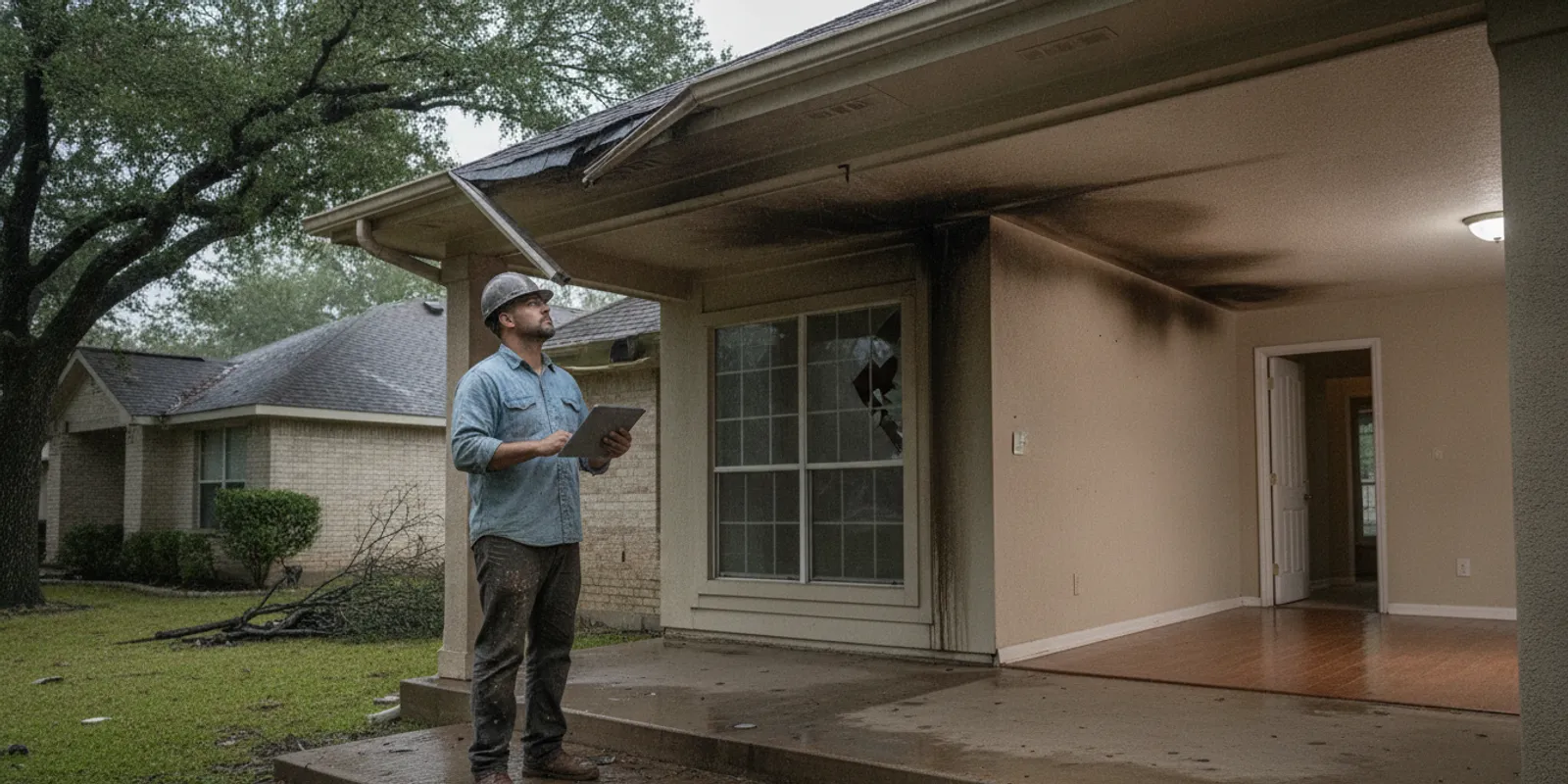
Full renovations often involve insulation, drywall, cabinetry, flooring, and electrical work. When those trades are scheduled separately, homeowners may spend more time resolving gaps between scopes. Waiting on one trade before another can begin, or determining who owns a problem. Rhino Renovations coordinates these trades in-house, creating one point of accountability for the project. That can reduce friction and help the finished work perform as a connected system, not a collection of unrelated updates. Learn more about choosing an insurance reconstruction contractor in Austin if damage repair is part of your renovation plan.
There is no honest one-size-fits-all answer to the full home renovation cost in Austin TX. A professional assessment can separate necessary repairs from optional upgrades, identify likely hidden conditions, and give you a realistic path forward. Rhino offers a free, no-obligation consultation so you can compare the home's needs with your budget before committing to a full scope.
How Do You Get an Accurate Full Home Renovation Cost in Austin TX?
To get an accurate full home renovation cost in Austin TX, define the work in detail. Collect multiple written estimates, verify each contractor's credentials, confirm permits, and compare the proposals line by line before you sign. A quick number based only on square footage can miss the condition of an older home, required system updates, design choices, and the coordination involved across several trades. The goal is not simply to find the lowest bid. It is to understand exactly what the investment includes and how the contractor will manage the work.
- Define your scope and must-haves.
Write down every room and system included in the renovation, from cabinets and flooring to electrical, insulation, drywall, plumbing, and paint. Separate non-negotiable work from upgrades you would like if the budget allows. Include your preferred finishes, layout changes, and any known issues. A clearer scope gives contractors the same starting point and makes their estimates easier to compare.
Request multiple detailed, written estimates.
Ask licensed contractors for proposals that identify labor, materials, allowances, exclusions, and potential unforeseen costs. The
New York Attorney General's contractor guidance
recommends checking licenses and getting multiple written estimates. Written detail matters because opening walls or updating older systems can uncover conditions that were not visible at the beginning.
- Verify licenses and insurance.
Before comparing prices, confirm that each contractor is properly licensed for the work being proposed and carries current insurance. Ask what coverage applies to the project and request documentation rather than relying on a verbal assurance. Also check references and review the company's experience with renovations of similar size and complexity.
Confirm permits with Austin Development Services.
Ask which permits and inspections your project may require, then verify the requirements through the
City of Austin Development Services permit center
. Permit obligations can vary with structural changes, electrical or plumbing work, additions, and changes to the home's systems. Clarify who will apply for permits and schedule inspections, and make sure those responsibilities appear in the proposal.
- Compare the proposals before signing.
Review scope, product allowances, start and completion timelines, change-order rules, warranty terms, payment schedules, and exclusions side by side. A lower initial bid may not be lower after missing work or unrealistic allowances are added. Ask questions until you can explain what you are buying, when payments are due, and how unexpected conditions will be handled. Then make sure the final agreement reflects those answers.
At Rhino Renovations, we can walk through your goals and existing home conditions during a free. No-obligation consultation, then help you establish a realistic project scope before construction begins. Schedule your free consultation to discuss your Austin renovation plans.
Frequently Asked Questions
How long does a full home renovation usually take?
There is no reliable single timeline because the duration depends on the home's condition, project scope, permitting, material availability, and the number of trades involved. A written schedule should identify major phases, decision deadlines, and possible delays before work begins.
How much contingency should I include in my renovation budget?
Set aside a contingency amount for conditions that cannot be seen until walls, floors, or older systems are opened. Unforeseen costs are a recognized home-improvement budgeting risk, so ask your contractor to explain how discoveries, change orders, and their approvals will be handled in the written contract. New York City consumer guidance also recommends addressing potential unforeseen costs clearly.
Do older Austin homes cost more to renovate?
They can. Older homes may need structural updates, energy-efficiency improvements, or repairs to underlying damage, which can expand the scope beyond visible finishes. The U.S. Census Bureau notes that improving older homes often involves these additional needs. Review the Census Bureau's guidance when planning an older property.
What should I ask a contractor before signing?
Ask for a detailed written estimate, a clear scope of work, a payment schedule, projected timelines, and the process for approving changes. Verify licensing and compare multiple written estimates before choosing a contractor, as recommended by the New York Attorney General's consumer guidance. Also ask who coordinates each trade and how permitting will be handled.
Ready to Plan Your Austin Renovation?
You do not need a perfect number before you start. The right next step is a free, no-obligation consultation with Rhino Renovations so we can see your home. Understand your scope, and give you a realistic path forward for your full home renovation in Austin TX.
Prefer to start online? Reach out through our contact page and we will get back to you with the next step.

Comments