

Bathroom Tile Ideas Austin TX Homes: 2026 Guide

Updated: Sep 14
Schedule a free consultation before choosing tile for an Austin bathroom. The right material should do more than look current. It should handle daily moisture, clean easily, and support the way your household uses the room. Austin and Round Rock homeowners also benefit from planning for long-term durability, especially when a bathroom renovation involves several trades or follows water damage.
The best bathroom tile ideas austin tx homes balance style with performance: use slip-conscious surfaces in wet areas, durable porcelain or ceramic where appropriate, and patterns or textures that add character without making maintenance difficult.
Rhino Renovations brings Tile & Marble expertise to both elective remodeling and insurance reconstruction, with a focus on doing the job right, not just fast. If you are planning a broader project, explore our guide to a complete bathroom remodel in Austin. First, consider the tile styles gaining attention in 2026 and how they can work across showers, floors, and walls.
Bathroom Tile Ideas for Austin TX Homes: What's Trending in 2026
Rhino Renovations answer: In 2026, the strongest bathroom tile ideas for Austin TX homes combine fewer grout lines, handmade texture, customizable color, and natural stone accents. Large-format porcelain creates a clean, seamless backdrop, while Zellige, terrazzo, marble, and river rock bring warmth and personality to showers, walls, and floors.
These materials are not just selected for appearance. A bathroom needs finishes that suit its moisture levels, cleaning demands, layout, and the way your household uses the space. The right design can feel current without looking like a trend that will be dated in a few years.
Large-format porcelain for a calm, seamless look
Porcelain slabs and other large-format porcelain tiles are emerging as a leading choice for Austin luxury baths. Their scale creates a continuous look across shower walls or behind a freestanding tub, with fewer visual interruptions. Austin Flooring Co. describes porcelain slabs as a top local trend because they offer a sleek appearance and fewer grout lines.
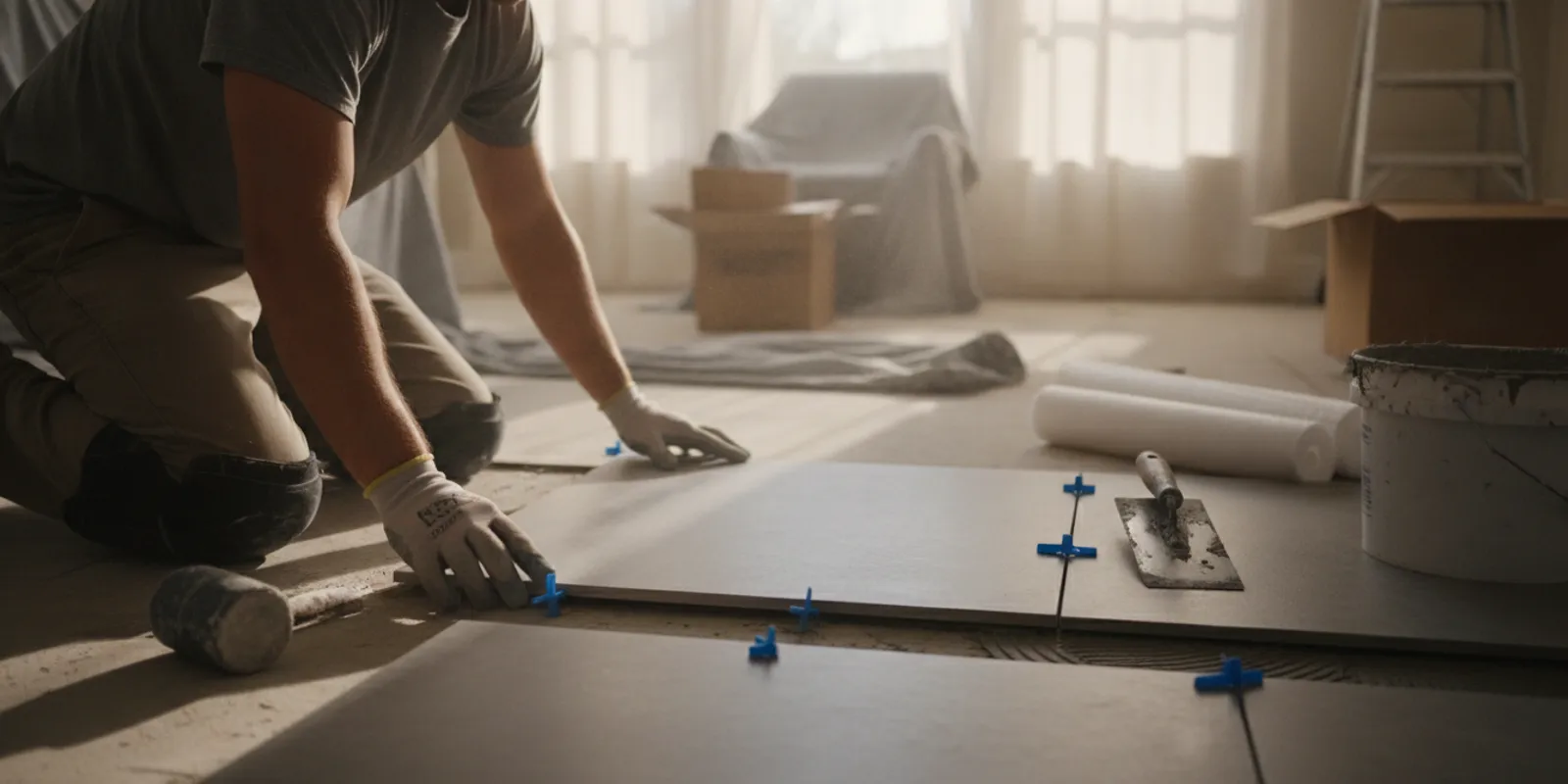
That reduced grout coverage also has a practical advantage. The University of Michigan's design guide recommends considering larger-format tiles to minimize grout lines. Fewer joints can make a wall feel more open and simplify routine cleaning, although large pieces still require careful planning, handling, substrate preparation, and precise installation. A qualified installer must also account for drainage and the slope of any tiled floor.
Handmade Zellige adds texture and warmth
Zellige tile is a handmade, textured option that works especially well on shower walls, vanity backsplashes, and feature niches. Subtle variations in surface and color give each installation a crafted character rather than a perfectly uniform appearance. Austin Flooring Co. notes the artisanal warmth of Zellige as a growing influence in modern bathroom design.
Because Zellige already supplies visual interest, it can pair well with quieter floor tile, simple fixtures, and restrained grout color. The goal is balance. Use the texture to make one area memorable instead of covering every surface with competing patterns.
Terrazzo and natural stone for distinctive accents
Terrazzo gives homeowners more control over the palette. Its embedded color chips can coordinate with cabinetry, paint, hardware, or nearby flooring. And Austin Flooring Co. identifies it as a durable, customizable choice for one-of-a-kind floors and walls. It can be a strong option when you want personality without relying on a busy printed pattern.
Natural stone accents provide another way to add character. Marble can create a refined focal wall or niche. While river rock can introduce an organic texture at a shower floor or accent area when the surface and installation are appropriate. The New York Institute of Art and Design identifies marble, river rock, and other natural stones as current choices for shower walls and accents. If you are comparing material scope and installation considerations, review our guide to the cost to install tile flooring before finalizing a concept.
How to Choose Shower Tile That Holds Up in Texas Humidity
Rhino's direct answer: Choose shower tile for Austin by starting with safety and moisture performance, then build the look around it. A matte or lightly textured porcelain tile, properly installed over a waterproof substrate, gives most homeowners a dependable balance of traction, durability, and easy maintenance.
Austin bathrooms deal with frequent water exposure, warm temperatures, and the everyday humidity that lingers after a long shower. That makes the shower floor different from a decorative wall. The tile should be selected for its intended use, cleanability, and slip resistance, not just its color or finish. The University of Michigan's tile design guidance specifically recommends evaluating the appropriate slip resistance factor in areas where water is present: review the design guide's safety guidance before finalizing a product.
For many Texas homes, matte porcelain is a practical starting point. Porcelain handles regular moisture well, while a matte surface generally provides more visual softness and usable traction than a highly polished finish. Glossy tile can be attractive on a shower wall, where it may help light move through a smaller bathroom. But it is usually a poor choice for the floor if it becomes slick when wet. Always confirm the manufacturer's intended application and slip-resistance information rather than assuming that every matte tile performs the same way.
Texture can do more than reduce the feeling of a hard, clinical room. Subtle relief, handmade variation, or a carefully chosen stone-look surface adds warmth and depth to a bathroom filled with glass, metal, and ceramic. Design research also notes that varied materials and textures create warmth in rooms dominated by hard surfaces. The key is choosing texture that can still be cleaned thoroughly. Deep grooves and irregular surfaces may collect soap residue, so balance character with a realistic maintenance routine.
Walk-in and zero-entry showers are also shaping shower decisions for 2026. Expanded walk-in layouts, built-in seats, and zero-entry access are identified as current design directions for more adaptable bathrooms. These features can make the room easier to use over time, but they place even more importance on coordinated waterproofing, drainage, slope, and tile layout. Large tiles may reduce grout lines, but they must be planned carefully around the shower floor's slope so water reaches the drain correctly.
Grout deserves equal attention. Darker grout can minimize the visible appearance of moisture stains in a high-use shower, while a properly selected and sealed grout system supports easier upkeep. The same University of Michigan guide recommends dark grout lines in high-moisture areas and notes that polyurethane sealing can help eliminate odor buildup in grout. Dark does not mean maintenance-free, but it can keep normal water marks from dominating the room.
These choices work best as one installation plan rather than isolated product decisions. Rhino Renovations can help coordinate tile, waterproofing, drainage, and finish details as part of a complete bathroom remodel in Austin, with an emphasis on doing the job right, not just fast.
Floor Tile vs Wall Tile: Differences in Bathroom Applications
At Rhino Renovations, we treat floor and wall tile as related materials with different jobs: floor tile must support foot traffic and help reduce slips. While wall tile is selected primarily for moisture protection, visual impact, and easy cleaning. The best bathroom design coordinates both surfaces without assuming one tile works equally well everywhere. In an Austin bathroom, water exposure, drainage, cleaning habits, and the feel you want underfoot all matter before installation begins.
Consideration | Bathroom floor tile | Bathroom wall tile |
Durability | Choose a tile rated for expected foot traffic, dropped items, moisture, and the long-term demands of the room. Porcelain is often a strong floor candidate because it offers a durable, dense surface. | Wall tile still needs to tolerate humidity and routine cleaning, but it does not carry the same direct load as flooring. Ceramic can work well when its rating matches the intended wall application. |
Slip resistance | Slip resistance is a safety priority wherever water may reach the floor, especially inside showers and around tubs. A glossy surface that looks attractive on a wall may be a poor choice under wet feet. | Slip resistance is usually less important on a vertical surface. Focus instead on a finish that cleans easily and can be installed appropriately in the selected wet area. |
Recommended material | Porcelain is a practical option for many floors, but the specific product rating and finish matter more than the label alone. Review the intended use and slip characteristics before choosing. | Ceramic offers broad color, shape, and texture options for walls. Porcelain slabs or large porcelain tiles can create a continuous look, particularly on feature walls. |
Grout lines and maintenance | Large-format tile can reduce the number of grout lines, as noted in the University of Michigan tile guidance. Fewer joints can simplify cleaning, but the floor still needs proper slope and careful installation for drainage. | Large-format wall tile also creates a cleaner visual field with fewer joints. Any grout choice should account for moisture and cleaning; the same guidance recommends considering darker grout to reduce the visible appearance of stains in high-moisture areas. |
Best-use areas | Use floor-rated tile in the main bathroom floor, shower floor, tub surround floor transition, and other areas exposed to water or regular traffic. | Use wall tile for shower walls, tub surrounds, backsplashes, wainscoting, and decorative accent walls where moisture resistance and design flexibility are priorities. |
Think in bathroom zones rather than choosing a single material for the entire room. A textured, slip-conscious porcelain may suit the shower floor, while a larger ceramic or porcelain format can make the walls easier to maintain. Tile selection should consider intended use, cleanability, and slip resistance in areas with water, according to the University of Michigan guidance. Rhino Renovations can help match each surface to the room's actual conditions, so your tile design looks cohesive and performs where it matters.
Grout Color and Pattern Choices for Austin Bathroom Renovations
Rhino's answer: In an Austin bathroom, choose grout and tile patterns together. Dark grout is usually the practical choice for high-moisture areas because it minimizes the visible appearance of stains. While a polyurethane seal helps prevent odor buildup in the grout. Then use the pattern's scale and direction to make the room feel wider, taller, or more visually grounded.
Grout is more than a finishing color. It affects how often the shower appears clean, how strongly each tile stands out, and whether the finished design feels calm or busy. In a shower or other high-moisture zone. The University of Michigan's architectural design guidance recommends dark grout lines to minimize the appearance of stains and states that white or light grey grout is not acceptable in those areas. That does not mean every Austin bathroom needs black grout. Charcoal, medium gray, taupe, and other deeper neutrals can provide the same practical advantage while working more comfortably with warm stone, white tile, or wood-look cabinetry. Review the tile and grout guidance when comparing materials for a wet area.
Sealing is another important part of the specification. The same guidance recommends a polyurethane seal for tile and grout installations in toilet rooms because grout sealing eliminates odor buildup in grout. The right product and installation method matter, especially in a bathroom that sees frequent humidity. Rhino plans the substrate, waterproofing, tile layout, grout, and sealing as one system rather than treating grout as an afterthought.
Four patterns that work well in Austin homes
- Large-format straight lay:
A simple grid with larger tiles creates a clean, contemporary look. Larger tiles also reduce the number of grout lines, which can make a compact bathroom feel less visually interrupted. Proper slope and installation remain important in wet areas.
- Herringbone:
This angled layout adds movement to a shower niche, vanity wall, or floor. Use it as an accent when the rest of the room is restrained, since a small room can feel crowded if every surface has a strong directional pattern.
- Checkerboard:
Black and white or charcoal and ivory squares create a familiar, high-contrast look that suits traditional, transitional, and contemporary Austin homes. A larger checkerboard can feel graphic and open, while small squares produce a busier vintage effect.
- Zellige handmade tile:
Slight variations in surface and color bring warmth and texture to shower walls or backsplashes. The irregular character is part of the appeal, but the layout still needs deliberate grout spacing so the handcrafted look feels intentional.
Pattern scale changes perception. Large-format tile and a straight lay tend to open up a smaller room by reducing visual breaks. Narrow vertical layouts can draw the eye upward, while horizontal arrangements can make a wall feel broader. Herringbone and checkerboard add energy, but they work best when balanced with quieter surfaces. If you are weighing the full layout, materials, and installation details, Rhino's guide to a complete bathroom remodel in Austin can help you plan the choices as one cohesive renovation.
Cost of Bathroom Tile Installation in Austin TX
Rhino Renovations' direct answer: bathroom tile costs depend on the tile type, the square footage, and the labor required to prepare and install it. A small floor refresh with a straightforward layout is a different project from a full shower surround with waterproofing, niches, benches, intricate patterns, or large-format pieces. Because every Austin bathroom has its own dimensions and existing conditions, Rhino does not publish one-size-fits-all service pricing. A free on-site estimate is the most useful way to understand the scope before choosing finishes.
Tile itself is only one part of the decision. Labor can also reflect demolition, substrate repairs, waterproofing, floor slope, layout complexity, cuts around plumbing, and the condition of the room underneath the existing finish. In a wet area, doing the installation correctly matters more than selecting a low initial price. Proper substrate and waterproofing choices help protect the long-term performance of the bathroom.
Porcelain versus ceramic: where does the value come from?
Porcelain and ceramic can both be attractive choices, but they serve different priorities. Porcelain is typically selected when homeowners want a dense, durable surface and a more continuous high-end look, including large-format applications. It can be a strong fit for floors, shower walls, and statement surfaces, although larger or more demanding pieces require careful handling and precise installation.
Ceramic can offer design flexibility and may be a practical value choice for walls, backsplashes, and other applications where the selected product is rated for its intended use. The right comparison is not simply the price per box. Consider where the tile will go, how much maintenance the surface requires, its slip resistance in areas exposed to water, and how the pattern affects labor. The University of Michigan's architectural design guidance recommends evaluating intended use, cleanability, long-term installation, and appropriate slip resistance where water is present.
For a broader planning view, review Rhino's bathroom remodeling budget guide. Remodeling Magazine's 2024 Cost vs. Value report also provides useful context: a mid-range bathroom remodel recoups about 67.8% of its cost in the West South Central region. That figure is a regional benchmark, not a promise or a quote for an individual Austin project.
Tile choices should support the complete room, from the shower waterproofing and floor safety to the vanity, lighting, and ventilation. Rhino can help coordinate those decisions as part of a complete bathroom remodel in Austin, whether you are updating an older space or rebuilding after covered property damage. Schedule a free consultation and on-site estimate to discuss your bathroom tile ideas, Austin TX home, project goals, and actual conditions before committing to materials.
Frequently Asked Questions
What bathroom tile trends work well in Austin homes?
Porcelain slabs, handmade-look zellige, terrazzo, and natural stone accents are strong choices for current Austin bathrooms. Large-format porcelain creates a clean, continuous look with fewer grout lines, while zellige adds handcrafted texture to a shower wall or backsplash. Terrazzo brings color variation and a distinctive pattern. Choose the style that fits your home's architecture and the amount of maintenance you want.
How do you choose the best tile for an Austin bathroom?
Start with where the tile will be installed, how much water it will receive, and how the surface will be cleaned. For floors, prioritize appropriate slip resistance and a finish that suits the room's intended use. In showers, proper waterproofing, substrate preparation, drainage, and installation matter as much as the visible tile. The University of Michigan's facilities guide recommends evaluating intended use, cleanability, long-term installation, and slip resistance in wet areas: tile installation guidance.
Should I choose porcelain or ceramic tile for a bathroom floor?
Either can work when the product is rated for the application and installed correctly. Compare the specific tile's intended use, cleanability, surface texture, and slip resistance rather than choosing by appearance alone. Porcelain is often selected for a sleek, durable floor or wall treatment, while ceramic offers a broad range of colors, shapes, and patterns. A tile professional can match the material to your layout and daily use.
How does Austin's climate affect bathroom tile choices?
Austin's heat, humidity, and heavy rain make durable wet-area detailing especially important. Select tile and grout that can be cleaned easily, and make sure the shower assembly has appropriate waterproofing and drainage. Dark grout can help reduce the visible appearance of stains in high-moisture areas. And polyurethane sealing is recommended in toilet rooms to help prevent odor buildup, according to the University of Michigan guide: grout and wet-area guidance.
Ready to Plan Your Austin Bathroom Tile Project?
A thoughtful tile plan can help your shower, floor, and walls work together while fitting the way your household uses the space. Rhino Renovations can help you compare practical options and shape a renovation plan around your bathroom.

Comments